


Can Bleeding Gums Be Reversed?
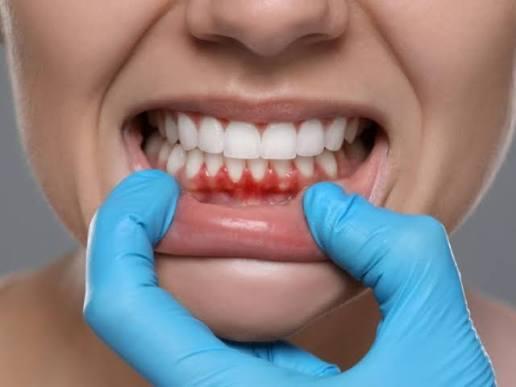
Bleeding gums are one of the earliest warning signs that something is affecting your oral health, and they should never be ignored. Many people experience bleeding while brushing or flossing and assume it is a minor issue that will disappear on its own. Gum Bleeding Treatment in Islamabad is becoming increasingly popular because timely professional care can prevent minor gum problems from progressing into serious dental conditions. The encouraging news is that bleeding gums can often be reversed when the underlying cause is identified early and treated appropriately.
Understanding Why Gums Bleed?
Bleeding gums occur when the gum tissue becomes inflamed or irritated. The most common cause is plaque, a sticky film of bacteria that constantly forms on the teeth. When plaque is not removed through proper brushing and flossing, it hardens into tartar. This buildup irritates the gums and leads to gingivitis, which is the earliest stage of gum disease.During gingivitis, the gums become swollen, tender, and more likely to bleed during brushing or eating. If left untreated, gingivitis can progress into periodontitis, a more severe form of gum disease that affects the supporting bone around the teeth. At this stage, reversing the condition becomes more challenging, making early diagnosis extremely important.Other factors can also contribute to bleeding gums, including smoking, hormonal changes during pregnancy, diabetes, weakened immunity, stress, vitamin C or vitamin K deficiencies, and certain medications such as blood thinners.
Can Bleeding Gums Really Be Reversed?
The simple answer is yes, in most cases bleeding gums can be reversed, especially when they are caused by gingivitis. The gums have an excellent ability to heal once inflammation is controlled and harmful bacteria are removed.Professional dental cleaning removes plaque and tartar that cannot be eliminated with regular brushing alone. Once the bacterial buildup is removed, the gums begin healing naturally. Combined with improved oral hygiene and healthy lifestyle habits, many patients notice asignificant reduction in bleeding within just a few weeks.However, if gum disease has progressed to periodontitis, complete reversal may not always be possible. While the disease can usually be controlled successfully, damage to the supporting bone may require advanced periodontal treatment to restore oral health.
Common Symptoms That Should Never Be Ignored
Bleeding gums rarely occur alone. Many patients also experience redness, swelling, tenderness, persistent bad breath, gum sensitivity, or discomfort while brushing. Some notice their gums pulling away from their teeth, making the teeth appear longer than before.Ignoring these symptoms allows bacteria to spread deeper beneath the gum line. Eventually, untreated gum disease can result in loose teeth, gum recession, bone loss, and even tooth loss. Seeking professional evaluation at the first signs of bleeding greatly improves the chances of complete recovery.
Causes That Need Professional Attention
While poor oral hygiene is the leading cause of bleeding gums, dentists carefully evaluate other contributing factors before recommending treatment.Vitamin deficiencies can weaken gum tissues and reduce the body's ability to heal inflammation. Diabetes may slow healing and increase susceptibility to infections. Hormonal fluctuations during pregnancy can make gums more sensitive to plaque, causing pregnancy gingivitis. Smoking reduces blood circulation to the gums, making it harder for them to recover even after treatment.Certain medications, including anticoagulants, can also increase thelikelihood of bleeding. Identifying these underlying factors helps dentists create a personalized treatment plan that addresses both the symptoms and the root cause.
Professional Treatment for Bleeding Gums
Professional dental care is the most effective way to reverse bleeding gums. The first step usually involves a comprehensive examination to determine the severity of the condition. Dentists assess plaque accumulation, gum pocket depth, inflammation, and any signs of bone loss using clinical evaluation and dental imaging when necessary.A professional scaling procedure removes hardened tartar from above and below the gum line. In cases where deeper cleaning is required, root planing smooths the tooth roots, making it difficult for bacteria to reattach. This process encourages the gums to heal and reattach to the teeth.Patients with advanced gum disease may require periodontal therapy, antibacterial medications, laser-assisted treatment, or surgical procedures depending on the extent of tissue damage. Early intervention generally allows for simpler and less invasive treatment.
The Importance of Daily Oral Hygiene
Professional treatment alone cannot maintain healthy gums without consistent home care. Proper brushing twice daily with a soft-bristled toothbrush removes plaque before it hardens into tartar. Gentle brushing along the gum line helps eliminate bacteria without causing further irritation.Daily flossing is equally important because toothbrush bristles cannot effectively clean between teeth where plaque commonly accumulates. Antibacterial mouthwash may also reduce bacterial growth and promote healthier gums.Replacing toothbrushes every three months, using fluoride toothpaste, and cleaning the tongue regularly all contribute to maintaining a healthier oral environment that supports gum healing.
Lifestyle Changes That Help Reverse Bleeding Gums
Healthy lifestyle choices play a significant role in gum recovery. A balanced diet rich in fresh fruits, vegetables, lean proteins, and whole grains provides essential nutrients needed for tissue repair. Vitamin C supports collagen production, while vitamin K contributes to normal blood clotting, both of which are important for healthy gums.Staying hydrated helps maintain saliva production, which naturally washes away bacteria and food particles. Reducing sugar intake limits bacterial growth inside the mouth.Quitting smoking remains one of the most beneficial lifestyle changes for gum health. Tobacco use delays healing, weakens immune function, and significantly increases the risk of severe periodontal disease. Managing stress through regular exercise, adequate sleep, and relaxation techniques may also improve the body's ability to fight inflammation.
How Long Does It Take for Bleeding Gums to Heal?
Recovery time depends on the severity of gum inflammation and the patient's commitment to oral hygiene. Mild gingivitis often begins improving within one to two weeks after professional cleaning and consistent home care. Most patients notice less bleeding, reduced swelling, and healthier gum color during this period.Moderate cases may require several weeks of improved hygiene and follow-up appointments before full healing occurs. Advanced periodontal disease usually involves longer treatment plans and ongoing maintenance visits to control bacterial infection and prevent further damage.Patience and consistency are essential because gum tissues require time to repair themselves after inflammation has been eliminated.
Preventing Bleeding Gums from Returning
Once bleeding gums have healed, preventive care becomes the key to maintaining long-term oral health. Regular dental checkups allow early detection of plaque buildup before inflammation develops again. Professional cleanings remove tartar that cannot be removed through home care alone.Maintaining excellent oral hygiene, eating a nutritious diet, avoiding tobacco products, controlling medical conditions such as diabetes, and following your dentist's recommendations greatly reduce the likelihood of future gum problems.
When Should You Visit a Dentist?
Any gum bleeding that persists for more than a few days deserves professional evaluation. Immediate dental consultation is especially important if bleeding is accompanied by severe pain, gum swelling, pus discharge, persistent bad breath, loose teeth, or noticeable gum recession.Early diagnosis allows dentists to treat gum disease before irreversible damage occurs. Delaying treatment increases the risk of tooth loss and may even contribute to broader health concerns, as chronic gum inflammation has been linked to conditions such as heart disease and diabetes.
Conclusion
Bleeding gums are not a normal part of daily oral hygiene, but they are often reversible when addressed promptly. Most cases result from gingivitis, a condition that responds very well to professional dental cleaning at Glam Aesthethic Clinic Islamabad , improved oral hygiene, and healthy lifestyle changes. Identifying the underlying cause, whether it is plaque buildup, nutritional deficiencies, smoking, hormonal changes, or systemic health conditions, is essential for achieving lasting results.
Categorieën
Read More
Escondido offers a diverse mix of residential environments. From flat suburban lots to sloped hillside properties and sprawling ranch-style homes, every type of outdoor space exists here. What connects them all is the opportunity to improve them through professional hardscape landscape services in Escondido, CA. This guide is designed for homeowners who want to understand hardscaping. Whether...

Living in Dubai is very fast-paced. Besides working hard, people run their businesses, look after their families, and pursue their ambitions. Among all this hustle, many forget to nourish themselves. This partially explains why a Wellness Coach Dubai has become an essential figure. Wellness coaching was rarely a topic a few years ago. Now the picture is quite the opposite. More and more people...

AI chat platforms have become increasingly popular among users looking for engaging conversations, creative storytelling, and interactive roleplay experiences. While Character AI remains one of the most recognized platforms in this space, many users are exploring alternatives that offer different features, personalities, customization options, and conversation styles. Whether you're interested...

CoolCove Air Cooler@:- is a portable cooling device designed to create a comfortable environment by circulating cool air in personal spaces. Unlike large air conditioning systems that require professional installation, this compact cooler focuses on mobility and convenience. OFFICIAL WEBSITES@:-...

Discover scalable warehousing as a service solutions from One Union Solutions. We provide flexible storage, inventory tracking, order fulfillment, and logistics support to help businesses optimize operations and reduce costs.
