Biomethanol Gains Relevance in Low-Carbon Fuels and Circular Feedstock Use
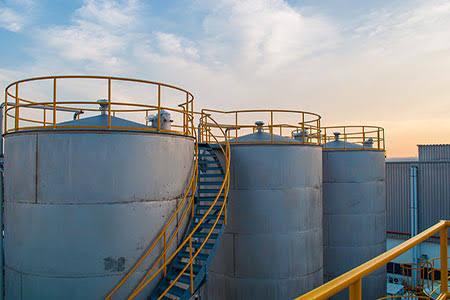
Biomethanol is becoming an important part of the low-carbon fuel and chemical transition because it can be produced from renewable feedstocks such as municipal waste, agricultural residues, biomass, biogas, and captured carbon sources. Its relevance is increasing across shipping, chemicals, fuel blending, plastics, and industrial applications where companies are seeking lower-emission alternatives to fossil-based methanol.
According to MarkNtel Advisors, the Global Biomethanol Market was valued at around USD 1.42 billion in 2025 and is projected to grow from USD 1.97 billion in 2026 to USD 7.11 billion by 2032, registering nearly 23.85% CAGR during 2026–2032. The sector is expected to grow steadily as maritime decarbonization, waste-to-fuel projects, and renewable chemical production gain commercial attention.
Biomethanol Supports Cleaner Fuel Pathways
Methanol is already used widely in chemicals, solvents, fuels, and industrial production, but conventional methanol is mainly produced from fossil resources. Biomethanol provides a renewable alternative by using organic waste streams, biomass, or biogas-based pathways. This makes it relevant for industries that need liquid fuels or chemical inputs but want to reduce lifecycle greenhouse gas emissions.
The International Energy Agency’s renewable fuels analysis highlights the role of biofuels and low-emission fuels in reducing oil dependence and supporting energy transition goals. Biomethanol fits into this broader shift because it can be stored, transported, and used in existing fuel and chemical systems with comparatively fewer infrastructure changes than some newer alternatives.
Marine Applications Are Leading Demand
The marine segment accounted for around 52% share by end user in 2026, making it the leading application area. Shipping companies are evaluating methanol-based fuels because they are liquid at ambient conditions, easier to handle than some alternatives, and compatible with emerging dual-fuel vessel designs. Biomethanol can support this transition by offering a renewable version of methanol for maritime use.
Shipping decarbonization is also becoming more policy-driven. The International Maritime Organization has set greenhouse gas reduction ambitions for international shipping, increasing pressure on vessel operators, fuel suppliers, and ports to consider lower-emission fuel pathways. Biomethanol demand is therefore closely linked with maritime fuel standards, vessel availability, and long-term fuel procurement strategies.
Municipal Waste Is a Key Feedstock Source
Municipal waste accounted for nearly 42% share by feedstock in 2026, reflecting the rising use of waste streams in renewable fuel production. Converting waste into biomethanol can help address two challenges at once: reducing landfill pressure and producing lower-carbon fuels or chemical inputs. This makes the pathway particularly relevant for cities and industrial clusters managing organic waste and circular economy goals.
Waste-based fuel production also aligns with broader sustainability priorities. The UNEP circular economy work emphasizes resource efficiency, waste reduction, and better material use across economies. Biomethanol production from waste streams supports this direction by turning discarded organic material into a useful energy and chemical resource rather than treating it only as a disposal burden.
Europe Holds the Largest Regional Share
Europe accounted for around 64% share in 2026, supported by strong climate policies, renewable fuel mandates, circular economy planning, and maritime decarbonization initiatives. The region’s policy environment encourages alternative fuel use in transport and industry, creating a favorable base for biomethanol production, certification, and adoption.
The European Commission’s FuelEU Maritime framework is especially relevant because it aims to reduce greenhouse gas intensity in maritime transport. As compliance requirements become stricter, shipowners and fuel suppliers may increasingly evaluate renewable methanol, including biomethanol, as one option within a wider mix of marine fuel alternatives.
Production Scale and Cost Remain Challenges
Despite strong growth potential, biomethanol production faces challenges related to feedstock availability, plant economics, technology scale-up, logistics, and certification. Waste and biomass feedstocks can vary in quality, moisture content, collection cost, and regional availability. Producers must also manage conversion efficiency, capital costs, and long-term offtake agreements to make projects commercially viable.
Bioenergy planning requires careful sustainability assessment. The International Renewable Energy Agency notes that bioenergy can support energy transition goals when feedstocks are managed responsibly. For biomethanol, this means future growth will depend on credible sourcing, lifecycle emissions accounting, and production models that avoid pressure on food systems or land resources.
Outlook for the Biomethanol Ecosystem
Biomethanol is positioned at the intersection of clean fuels, chemical decarbonization, waste management, and maritime transition. Its commercial expansion will depend on feedstock supply chains, supportive regulation, vessel adoption, fuel certification, and investment in production capacity.
The category’s future is unlikely to depend on one sector alone. Shipping may remain the most visible demand center, but chemicals, fuel blending, and industrial applications can also contribute to wider adoption. As companies seek practical low-carbon liquid fuel options, biomethanol is expected to remain an important part of the renewable methanol and circular carbon economy discussion.
Categorie
Leggi tutto
"Commercial Soft-Serve Machines Market Summary According to the latest report published by Data Bridge Market Research, the Commercial Soft-Serve Machines Market The global commercial soft-serve machines market size was valued at USD 1.37 billion in 2024 and is expected to reach USD 2.15 billion by 2032, at a CAGR of 5.80% during the forecast period...

Kids sit inside longer now, eyes stuck on glowing gadgets most hours of the day. Even though those tools can teach or amuse, moving less hits harder grown-ups notice it, talk about it. That kind of routine, one with set drills and real movement, helps balance things, builds strong bodies, steadier moods. Children’s sports training matters Little ones grow strong when they...

As investors, regulators, and stakeholders demand greater transparency around climate-related risks, organizations are expected to provide consistent and reliable sustainability disclosures. IFRS S2 Climate-Related Disclosures establish a global baseline for reporting climate-related risks and opportunities that may affect an organization's financial performance. For businesses preparing to...

Networking focuses on connecting computers and devices to share data, resources, and services securely. It helps build skills in network configuration, troubleshooting, routing, switching, and security concepts used in real IT environments. The Networking Course in Chennai offered through FITA Academy introduces practical networking concepts that support technical learning. This knowledge...