


How effective is Mohs surgery for melanoma removal?

If you are researching mohs surgery for melanoma, the most important thing to know is that the answer is not a simple yes or no. Mohs can be very effective in selected cases, but it is not the standard treatment for every melanoma, which is why expert assessment matters so much.
Mohs surgery is highly precise, but it is not routine for all melanoma
Mohs surgery removes cancer layer by layer and checks each stage under the microscope before any more tissue is taken. That precision helps preserve as much healthy skin as possible, which is why Mohs is so well known for treating high-risk skin cancers in delicate areas such as the face.
However, for most melanoma, the usual treatment remains standard excision followed by a wide local excision. Cancer Research UK explains that once melanoma is diagnosed, doctors usually remove a larger area of healthy skin around where it was to reduce the risk of it coming back.
That means mohs surgery is not usually the first-line answer for invasive melanoma. Even though the technique is very accurate, melanoma treatment is planned according to the stage, depth, and site of the cancer, and standard excision is still the routine pathway in most cases.
Mohs may be effective in selected early melanoma cases
Where mohs surgery becomes more relevant is in carefully selected cases of melanoma in situ, especially lentigo maligna. The British Association of Dermatologists says that, in selected cases, lentigo maligna may be removed with Mohs surgery to ensure it is fully removed while trying to limit the size of the wound. DermNet also says a tissue-sparing technique such as Mohs or staged mapped excisions may be used for a large melanoma in situ.
This is where Mohs can be especially effective. If the lesion is broad, flat, or poorly defined on sun-damaged facial skin, the layer-by-layer approach can help track the true edges more accurately while preserving more surrounding tissue. In those specific situations, mohs surgery may offer a practical advantage over a wider standard excision.
That tissue-sparing benefit matters most on the face. When a melanoma in situ sits on the cheek, temple, nose, or another visible area, removing less healthy skin can make a meaningful difference to both the wound size and the final cosmetic result. This is one reason mohs surgery is sometimes discussed so carefully in facial melanoma cases.
Effectiveness depends on choosing the right case
The key point is that mohs surgery is only effective for melanoma when it is used in the right setting. If the melanoma is invasive, standard excision and wide local excision usually remain the more established treatment route. If the melanoma is in situ and the edges are difficult to define, Mohs may be considered because it can help remove the abnormal cells more precisely.
In other words, effectiveness is not just about the procedure itself. It is about whether the procedure matches the biology of the melanoma. A specialist has to consider whether the lesion is melanoma in situ or invasive melanoma, how clearly the margins can be seen, and whether preserving extra healthy skin is likely to improve the final result.
This is why general assumptions can be misleading. Some patients hear that mohs surgery is the most precise skin cancer operation and assume it must always be the best option. In reality, it is best thought of as a highly useful specialist technique for selected melanoma cases rather than a universal treatment for all melanoma.
Specialist judgement matters as much as the procedure
Dr Arif Aslam’s site reflects this selective approach. His site explains that Mohs is a precise, tissue-sparing technique used in high-risk or complex areas and that treatment plans are tailored to the individual rather than applied in a one-size-fits-all way.
That is particularly important with melanoma, because treatment choices affect more than cancer clearance alone. They also affect wound size, reconstruction, facial function, and the long-term cosmetic outcome. When the melanoma is in a highly visible area, the right procedure needs to balance safety with tissue preservation.
So, how effective is mohs surgery for melanoma removal? It can be very effective in selected cases, especially melanoma in situ or lentigo maligna in cosmetically sensitive areas, because it offers careful margin control while sparing healthy skin. But for most invasive melanoma, standard excision remains the usual treatment, which is why the best next step is always a specialist opinion based on your exact diagnosis.
If you are weighing up treatment options, seek advice early and get a plan based on the type, stage, and site of the melanoma rather than the procedure name alone. The right specialist can explain whether mohs surgery is appropriate in your case and help you move forward with more confidence.
Catégories
Lire la suite
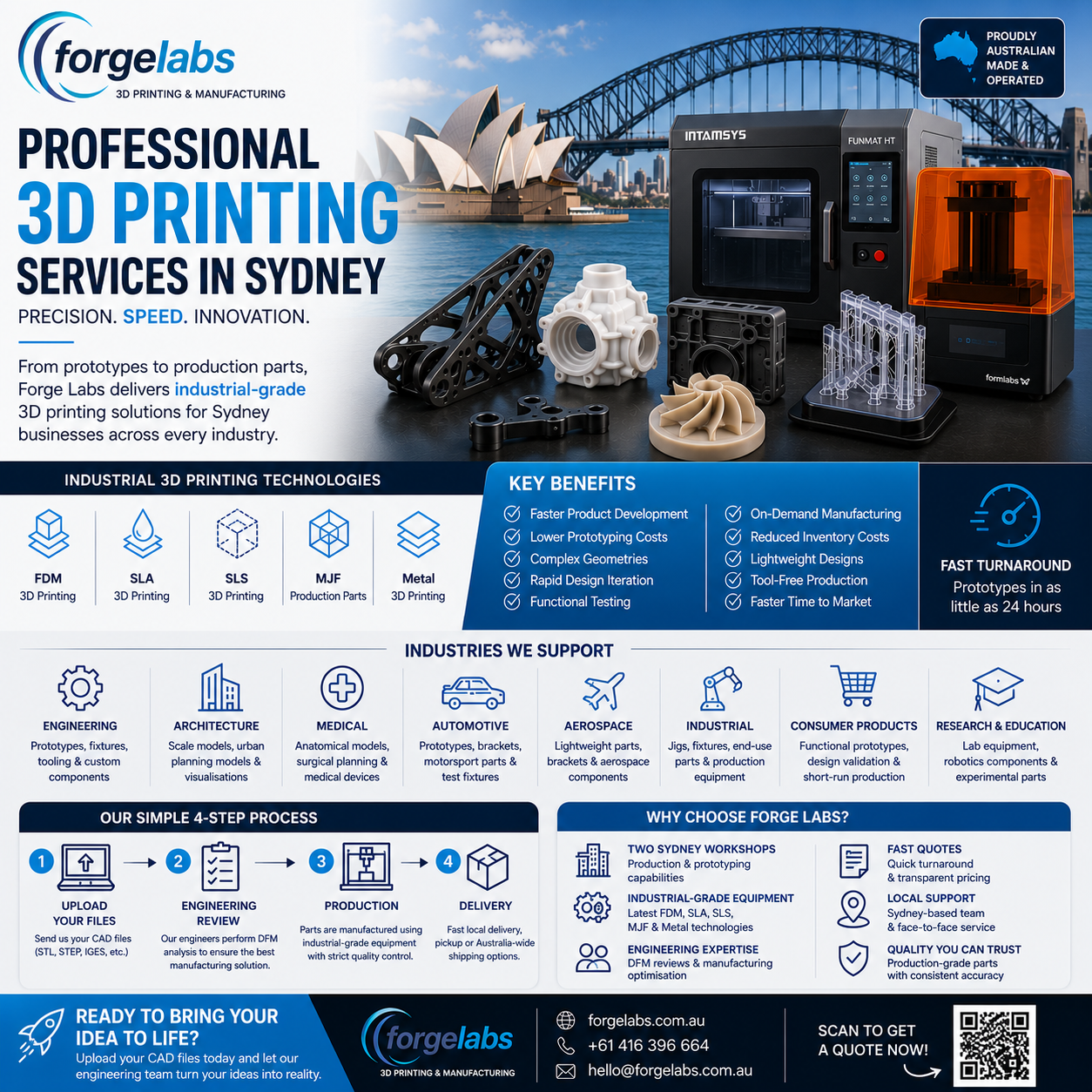
Manufacturing has changed dramatically over the last decade, and businesses now expect faster development cycles, greater design flexibility, and more efficient production methods. Whether you're creating a prototype for a new invention, manufacturing custom engineering components, or producing short-run commercial products, professional 3D printing services in Sydney provide the speed and...
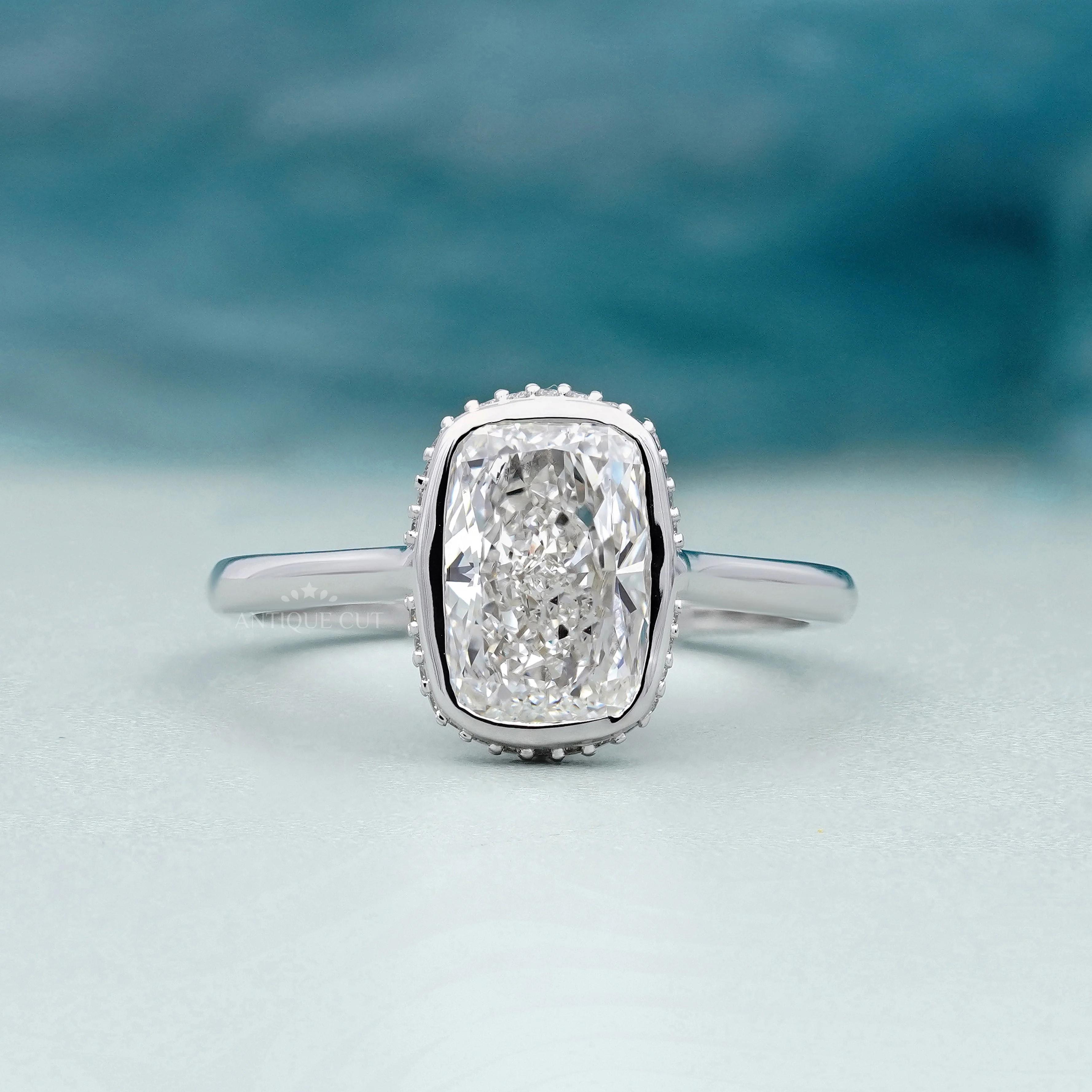
Discover Elongated Cushion Cut Engagement Rings: The Ultimate Guide to choosing the perfect diamond. Learn about styles, settings, quality, and how to find the ideal cushion cut engagement ring for your proposal. Elongated Cushion Cut Engagement Rings: The Ultimate Guide Selecting an engagement ring is one of the most meaningful decisions a couple will make. While many diamond shapes have...
The Trend Towards an AI-Native Network One of the most profound and defining trends shaping the development of 6G is the move from "AI for networks" to the creation of a truly "AI-native" network. A detailed look at emerging 6G Market Trends reveals that this is a fundamental architectural shift. In the 5G era, AI and machine learning are largely applied as an overlay to help manage...

UroFlow urinary health supplement is a plant-based men's wellness formula created to support healthy urinary function, bladder control, and prostate wellness. The supplement combines carefully selected natural ingredients that work together to address common urinary concerns often associated with aging. Unlike temporary solutions that only mask symptoms, UroFlow focuses on supporting the body's...

