Why FCEV Refueling Networks Are Critical for Hydrogen Mobility
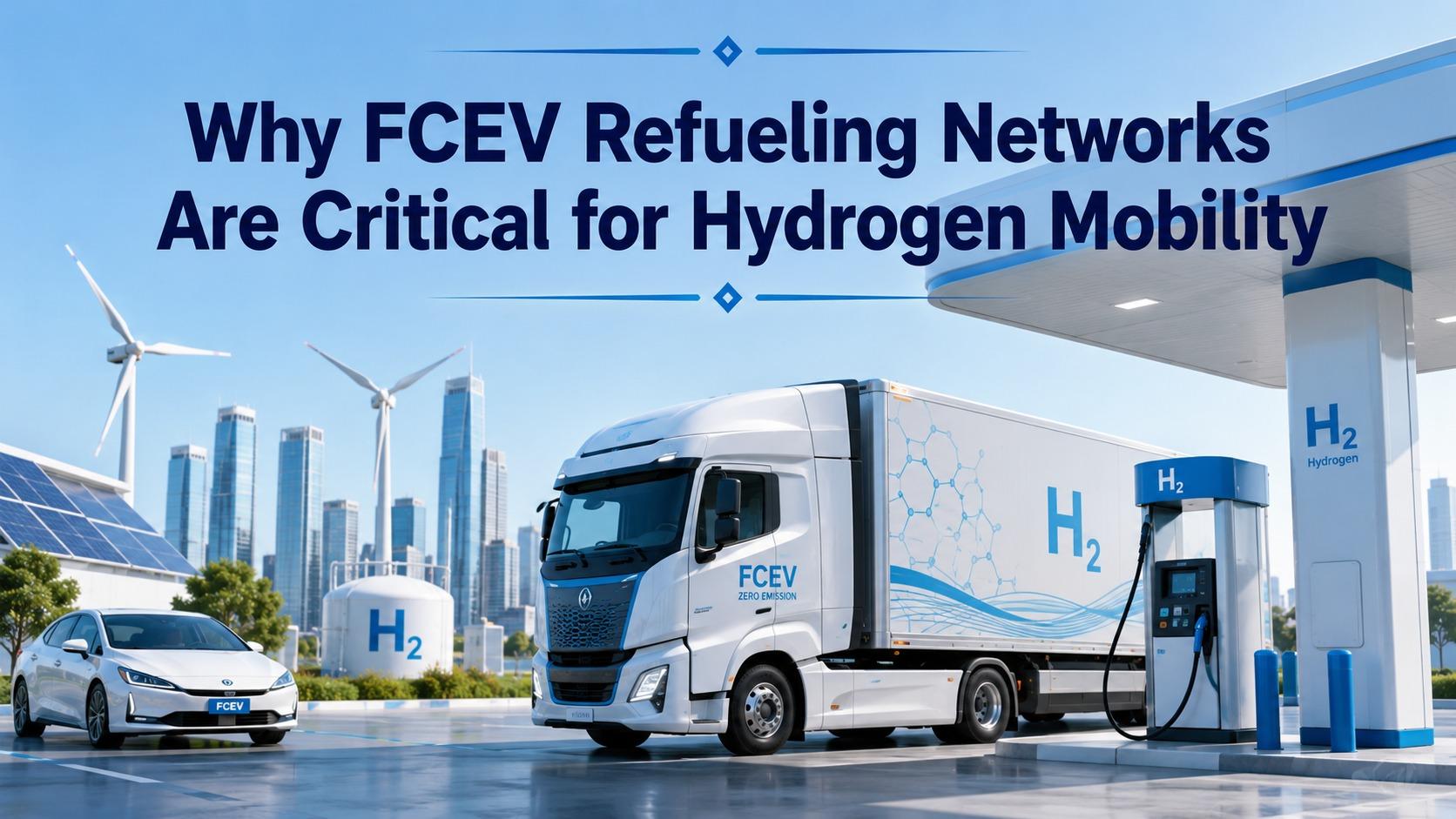
The transition toward cleaner transportation is expanding beyond battery-powered vehicles, with hydrogen-powered mobility emerging as an important solution for long-distance and commercial applications. Fuel Cell Electric Vehicles (FCEVs) offer fast refueling, extended driving range, and zero tailpipe emissions, making them particularly suitable for buses, trucks, logistics fleets, and industrial transport. However, the widespread adoption of these vehicles depends heavily on the availability of reliable refueling infrastructure.
As governments and private organizations invest in hydrogen ecosystems, the development of hydrogen refueling infrastructure for fuel cell vehicles is becoming a major priority. Expanding station networks helps improve accessibility, reduce range anxiety, and build confidence among fleet operators considering hydrogen-powered transportation. These developments are also encouraging manufacturers and energy providers to strengthen partnerships across the hydrogen value chain.
Building an effective refueling network involves more than installing hydrogen stations. It requires coordinated planning for hydrogen production, storage, transportation, and distribution. Countries pursuing carbon neutrality are integrating hydrogen infrastructure into broader clean-energy strategies, creating an environment where fuel cell technology can grow alongside renewable energy initiatives.
Government Policies Are Accelerating Infrastructure Development
Public policy continues to play a significant role in the growth of hydrogen transportation. National hydrogen roadmaps, financial incentives, and investment programs are supporting the construction of refueling stations while encouraging the commercialization of hydrogen-powered vehicles. These initiatives aim to reduce greenhouse gas emissions from the transportation sector while diversifying clean energy solutions.
Several countries across Asia-Pacific, Europe, and North America have announced long-term hydrogen strategies that include funding for refueling stations, research programs, and public-private collaborations. Such policies are helping create an ecosystem where vehicle deployment and infrastructure expansion can progress together.
Commercial Fleets Are Driving Demand
Heavy-duty transportation represents one of the strongest opportunities for hydrogen mobility. Long-haul trucks, public buses, municipal vehicles, and industrial fleets often require quick refueling and extended operating ranges that can be challenging for battery-only solutions. Hydrogen fuel cells address these operational requirements while supporting emission reduction goals.
Fleet operators also benefit from centralized refueling locations, allowing hydrogen stations to serve multiple vehicles efficiently. As more commercial fleets transition toward alternative fuels, demand for dependable refueling infrastructure is expected to increase across logistics hubs, ports, industrial zones, and urban transportation corridors.
Innovation Is Making Hydrogen Refueling More Flexible
Technological innovation is improving the efficiency and accessibility of hydrogen infrastructure. Alongside conventional fixed stations, mobile and portable hydrogen refueling systems are being introduced to support pilot projects, remote operations, and regions where permanent infrastructure has yet to be established.
Advancements in storage systems, dispensing technologies, compression equipment, and digital monitoring are helping operators improve safety and operational efficiency. Smart station management systems can optimize fuel availability, monitor equipment performance, and reduce maintenance requirements, making hydrogen infrastructure increasingly practical for commercial deployment.
Green Hydrogen Strengthens Long-Term Sustainability
The environmental value of FCEVs depends significantly on how hydrogen is produced. Green hydrogen, generated using renewable electricity through electrolysis, offers a pathway toward lower lifecycle emissions compared with conventional production methods. As renewable energy capacity expands globally, green hydrogen is becoming an increasingly important component of national decarbonization strategies.
Many countries are investing simultaneously in renewable power generation and hydrogen production facilities. This integrated approach supports cleaner transportation while improving energy security and reducing dependence on fossil fuels. As production capacity grows, hydrogen refueling infrastructure is expected to become more closely connected with renewable energy systems.
Infrastructure Challenges Still Require Attention
Despite encouraging progress, several challenges continue to influence infrastructure deployment. Developing hydrogen refueling stations requires significant investment, specialized equipment, and compliance with strict safety standards. Hydrogen transportation and storage also present technical complexities that require ongoing innovation.
Another important consideration is achieving sufficient station utilization during the early stages of market development. Coordinated planning between governments, vehicle manufacturers, energy providers, and infrastructure developers remains essential to ensure stations are deployed where demand can support long-term operations.
Collaboration Across Industries Is Essential
The hydrogen ecosystem depends on collaboration between automotive manufacturers, energy companies, technology providers, infrastructure developers, and policymakers. Joint ventures and strategic partnerships help accelerate infrastructure deployment while sharing investment costs and technical expertise.
As hydrogen mobility expands, cooperation will continue to shape standards for fueling technology, station interoperability, and supply chain development. This collaborative approach supports both technological advancement and broader market confidence in hydrogen transportation solutions.
Looking Ahead
The future of hydrogen mobility depends not only on vehicle innovation but also on the availability of dependable refueling infrastructure. As investments continue across production, distribution, and station development, FCEV ecosystems are gradually becoming more practical for commercial and public transportation applications.
According to research published by MarkNtel Advisors, ongoing investments in hydrogen infrastructure, supportive government initiatives, and advancements in refueling technologies are expected to strengthen the global outlook for fuel cell mobility over the coming years. While infrastructure expansion remains a long-term undertaking, continued collaboration and technological progress are laying the foundation for broader hydrogen adoption across the transportation sector.
Categorieën
Read More
Comfort Meets Everyday Fashion Needs Modern wardrobes rely on clothing that delivers comfort without sacrificing style. People often choose versatile garments that work across different settings and seasons. Soft fabrics, relaxed silhouettes, and practical construction create a dependable foundation for daily outfits. During changing weather, layering becomes an essential styling technique that...

The Precision Agriculture Market is a dynamic and competitive arena where established industrial giants and agile agritech startups are vying for market share. The Global Precision Agriculture Market, valued at USD 13.33 Billion in 2025, is characterized by a mix of large multinational corporations and specialized technology providers . The competitive landscape is moderately...

Een goede nachtrust begint met een aangename temperatuur in de slaapkamer. Tijdens warme zomernachten kan de temperatuur binnenshuis flink oplopen, waardoor inslapen en doorslapen lastig wordt. Daarom kiezen steeds meer huishoudens voor een airco slaapkamer als duurzame oplossing. Moderne airconditioners zorgen niet alleen voor verkoeling, maar kunnen ook efficiënt verwarmen,...

Engineering drawings are the universal language of engineering. Whether you're designing a machine component, planning a building, or developing a manufacturing process, clear and accurate technical drawings are essential. Traditionally, students learned engineering drawing using drawing boards, T-squares, set squares, and manual drafting techniques. While these methods remain valuable for...

Mesh shorts have become an important part of modern casual fashion, and Eric Emanuel Shorts have played a major role in this change. What was once seen mainly as sports clothing is now worn for daily activities, travel, and social events. The growing popularity of these shorts comes from their simple look, recognizable style, and connection with basketball culture. Today, many people choose...