Diffused Aeration in Wastewater Treatment: Complete Guide to Air Diffusers for Aeration Tanks, STP, ETP & Wastewater Treatment Plants
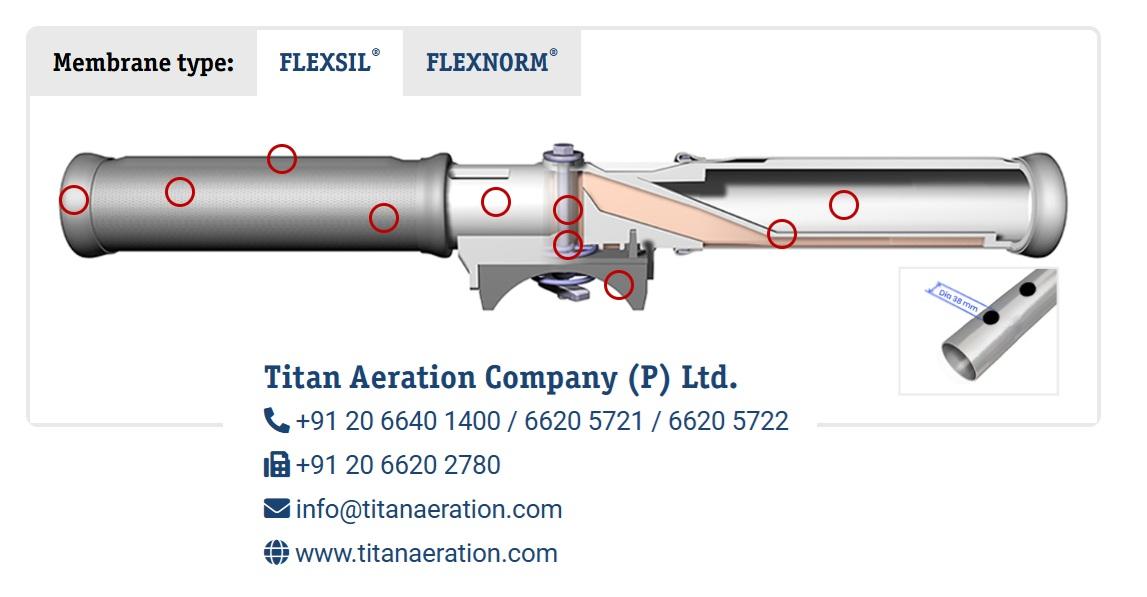
Diffused aeration is one of the most efficient and widely adopted technologies for biological wastewater treatment. By delivering a continuous supply of oxygen through advanced air diffusers, wastewater treatment plants can maintain optimal dissolved oxygen levels, promote microbial activity, and achieve superior treatment efficiency with lower energy consumption.
Whether you are designing a Sewage Treatment Plant (STP), an Effluent Treatment Plant (ETP), or a large-scale Wastewater Treatment Plant (WWTP), selecting the right air diffuser for aeration tanks plays a critical role in ensuring long-term operational performance, reduced maintenance costs, and compliance with environmental standards.
What is Diffused Aeration?
Diffused aeration is a biological treatment process where compressed air is introduced into wastewater through specially designed diffusers installed at the bottom of an aeration tank. As the air passes through fine openings in the diffuser membrane or disc, it forms thousands of tiny bubbles that rise through the wastewater.
These bubbles transfer oxygen into the liquid, enabling aerobic microorganisms to break down organic pollutants effectively.
The process provides:
- Efficient oxygen transfer
- Continuous mixing of wastewater
- Reduction in Biological Oxygen Demand (BOD)
- Reduction in Chemical Oxygen Demand (COD)
- Removal of ammonia and nitrogen compounds
- Improved biological treatment efficiency
- Lower operating costs
How Diffused Aeration Works in Wastewater Treatment?
The diffused aeration system consists of several integrated components that work together for efficient oxygen transfer.
1. Air Blower
Industrial blowers generate compressed air required for the aeration process.
2. Air Piping Network
The compressed air travels through corrosion-resistant pipelines toward the aeration tank.
3. Air Diffusers
Air diffusers convert compressed air into fine or coarse bubbles for oxygen transfer.
4. Biological Treatment
Microorganisms consume dissolved oxygen and degrade organic contaminants, resulting in cleaner treated water.
5. Clarification
Activated sludge settles in the secondary clarifier while treated water moves to the next treatment stage.
Importance of Air Diffusers in Aeration Tanks
An air diffuser for aeration tank is the heart of any biological treatment system. The diffuser determines oxygen transfer efficiency, bubble size, energy consumption, and overall treatment effectiveness.
A properly selected diffuser provides:
- Uniform oxygen distribution
- Excellent mixing performance
- High oxygen transfer rate
- Reduced blower power consumption
- Long service life
- Minimal maintenance
- Consistent treatment quality
Types of Air Diffusers Used in Wastewater Treatment Plants
Fine Bubble Disc Diffusers
Fine bubble disc diffusers are the most commonly used diffusers in municipal and industrial wastewater treatment plants.
Features
- Fine bubble generation
- High oxygen transfer efficiency
- EPDM or Silicone membranes
- Low energy consumption
- Simple installation
- Excellent durability
Applications
- Municipal STP
- Industrial ETP
- MBBR systems
- Activated sludge process
- SBR plants
- Biological reactors
Tube diffusers provide increased membrane area and are suitable for large aeration tanks.
Advantages
- High airflow capacity
- Excellent oxygen transfer
- Uniform air distribution
- Suitable for deep tanks
- Long operational life
Coarse Bubble Diffusers
Coarse bubble diffusers generate larger air bubbles.
These are generally used where:
- Heavy mixing is required
- Equalization tanks
- Grit chambers
- Sludge holding tanks
- Aerobic digesters
Although oxygen transfer efficiency is lower compared to fine bubble diffusers, coarse bubble systems offer excellent mixing capability.
Air Diffuser for STP (Sewage Treatment Plant)
Every Sewage Treatment Plant (STP) relies on effective aeration to remove organic matter from domestic wastewater.
An air diffuser for STP ensures:
- High oxygen transfer efficiency
- Stable microbial growth
- Improved sludge settling
- Lower operational costs
- Reduced energy consumption
- Reliable biological treatment
STPs installed in residential complexes, commercial buildings, hospitals, hotels, universities, and municipalities commonly use fine bubble disc diffusers for maximum efficiency.
Air Diffuser for ETP (Effluent Treatment Plant)
Industrial wastewater often contains higher concentrations of organic and inorganic pollutants.
An air diffuser for ETP must withstand harsh operating conditions while maintaining high oxygen transfer efficiency.
Industries using ETP diffusers include:
- Textile Industry
- Pharmaceutical Industry
- Chemical Plants
- Food Processing
- Dairy Industry
- Paper Mills
- Beverage Industry
- Distilleries
- Tanneries
- Petrochemical Plants
Modern ETP diffusers use chemically resistant membrane materials that provide long-term durability even under aggressive wastewater conditions.
Air Diffuser for Wastewater Treatment Plant
Large municipal and industrial Wastewater Treatment Plants (WWTPs) require reliable aeration systems capable of operating continuously for years.
Selecting the right air diffuser for wastewater treatment plant helps achieve:
- Maximum oxygen transfer
- Lower blower energy consumption
- Reduced maintenance
- Long membrane life
- Uniform air distribution
- Improved biological activity
- Consistent treatment efficiency
Benefits of Fine Bubble Diffused Aeration
Modern fine bubble diffused aeration offers significant advantages over conventional aeration technologies.
Higher Oxygen Transfer Efficiency
Smaller air bubbles provide greater surface area, allowing more oxygen to dissolve into wastewater.
Lower Energy Consumption
Energy savings of up to 40–60% can be achieved compared to older coarse bubble systems.
Improved Biological Treatment
Better oxygen availability supports healthy microbial populations for efficient degradation of contaminants.
Reduced Operating Costs
Lower blower energy requirements significantly reduce operational expenses.
Uniform Aeration
Even distribution of oxygen eliminates dead zones within aeration tanks.
Easy Maintenance
Modern membrane diffusers include self-cleaning features and require minimal maintenance.
Materials Used in Air Diffuser Membranes
Selecting the right membrane material directly affects diffuser life and treatment performance.
EPDM Membranes
Widely used due to:
- Excellent flexibility
- High durability
- Affordable pricing
- Good chemical resistance
Suitable for municipal wastewater treatment.
Silicone Membranes
Preferred for demanding applications because of:
- Superior chemical resistance
- Excellent temperature tolerance
- Long service life
- Consistent performance
Ideal for industrial wastewater treatment.
Applications of Diffused Aeration Systems
Diffused aeration systems are used across numerous industries and municipal facilities.
Municipal Applications
- Sewage Treatment Plants
- Municipal Wastewater Plants
- Community STPs
- Smart City Projects
Industrial Applications
- Textile Plants
- Pharmaceutical Manufacturing
- Food Processing
- Dairy Plants
- Breweries
- Distilleries
- Chemical Industries
- Paper Mills
- Sugar Industries
- Fertilizer Plants
- Refineries
Commercial Applications
- Hotels
- Hospitals
- Shopping Malls
- Educational Institutions
- Residential Complexes
- IT Parks
Key Factors for Selecting the Right Air Diffuser
Choosing the correct diffuser depends on several engineering parameters.
Tank Depth
Deeper tanks generally improve oxygen transfer efficiency.
Airflow Rate
Proper airflow ensures effective oxygen distribution without membrane damage.
Wastewater Characteristics
Industrial wastewater may require specialized membrane materials.
Oxygen Requirement
The diffuser system should match the biological oxygen demand of the treatment process.
Energy Efficiency
High oxygen transfer efficiency reduces blower size and operating costs.
Maintenance Requirements
Easy-access diffusers reduce plant downtime.
Installation of Air Diffusers in Aeration Tanks
Proper installation is essential for maximizing diffuser performance.
Installation typically includes:
- Tank cleaning
- Header pipe installation
- Lateral piping arrangement
- Diffuser mounting
- Air pressure testing
- System balancing
- Oxygen transfer verification
- Performance monitoring
Proper alignment ensures uniform bubble distribution throughout the aeration tank.
Maintenance of Air Diffusers
Routine maintenance extends diffuser life and maintains treatment efficiency.
Recommended maintenance includes:
- Regular membrane inspection
- Cleaning of clogged diffusers
- Airflow balancing
- Pressure monitoring
- Blower servicing
- Pipe inspection
- Replacement of damaged membranes
Preventive maintenance minimizes downtime and extends equipment lifespan.
Advantages of Fine Bubble Diffusers Over Conventional Aeration
|
Parameter |
Fine Bubble Diffuser |
Conventional Aeration |
|
Oxygen Transfer |
Very High |
Moderate |
|
Energy Consumption |
Low |
High |
|
Bubble Size |
Very Fine |
Large |
|
Operating Cost |
Low |
High |
|
Maintenance |
Low |
Moderate |
|
Treatment Efficiency |
Excellent |
Average |
|
Service Life |
Long |
Moderate |
Why Modern Wastewater Treatment Plants Prefer Diffused Aeration
Today's wastewater treatment facilities prioritize efficiency, sustainability, and regulatory compliance. Diffused aeration systems have become the preferred choice because they provide superior oxygen transfer, reliable biological treatment, and significant energy savings. Their adaptability to a wide range of wastewater characteristics makes them suitable for municipal, commercial, and industrial applications alike.
By integrating high-performance air diffusers for aeration tanks, treatment plants can enhance process stability, reduce operational expenses, improve treated water quality, and ensure long-term environmental compliance. Whether installed in a compact STP, a complex industrial ETP, or a large municipal wastewater treatment facility, modern diffused aeration systems deliver consistent performance, lower lifecycle costs, and dependable operation for years to come.
Conclusion
An efficient diffused aeration system is fundamental to achieving reliable wastewater treatment performance. Selecting the right air diffuser for aeration tank, air diffuser for STP, air diffuser for ETP, or air diffuser for wastewater treatment plant ensures high oxygen transfer efficiency, reduced energy consumption, excellent biological treatment, and long-term operational reliability.
With advancements in fine bubble diffuser technology, modern wastewater treatment plants can achieve higher treatment standards while lowering operational costs and supporting sustainable water management practices. Investing in quality aeration equipment and proper system design delivers measurable improvements in efficiency, compliance, and overall plant performance.
الأقسام
إقرأ المزيد
If you enjoy following Kurdish news and current affairs, you've probably searched for Watch Nuce TV Live Free. Whether you're living in Kurdistan or abroad, finding a reliable live stream that works consistently can sometimes be frustrating. Nuce TV is a Kurdish news television channel that broadcasts news and current affairs primarily in Kurdish, including Sorani, with a focus on providing...

Selling a vehicle can sometimes feel difficult and stressful, especially when the car is old, damaged, or no longer running. Many people struggle to find buyers for junk cars or high-mileage vehicles because dealerships usually offer low prices or refuse to purchase them completely. Fortunately, cash-for-cars services have made it much easier for Delaware vehicle owners to sell cars quickly and...

In today’s digital world, building a strong Facebook presence is essential for brands, influencers, and businesses. However, organic growth can be slow and highly competitive. This is where tools like a Facebook Followers Panel and a Facebook Likes Panel come into play, helping users manage and accelerate their social media performance more efficiently. A Facebook Followers Panel is a...

SlideShare Downloader – Download Any Presentation Free in Seconds Have you ever found the perfect SlideShare presentation a detailed research deck, a business strategy guide, or a brilliant study resource only to realize you can't save it? You're not alone. Millions of students, teachers, and professionals hit the same wall every day. That's exactly why our SlideShare...