How to Choose the Right Home Theatre Solutions for Your Living Room
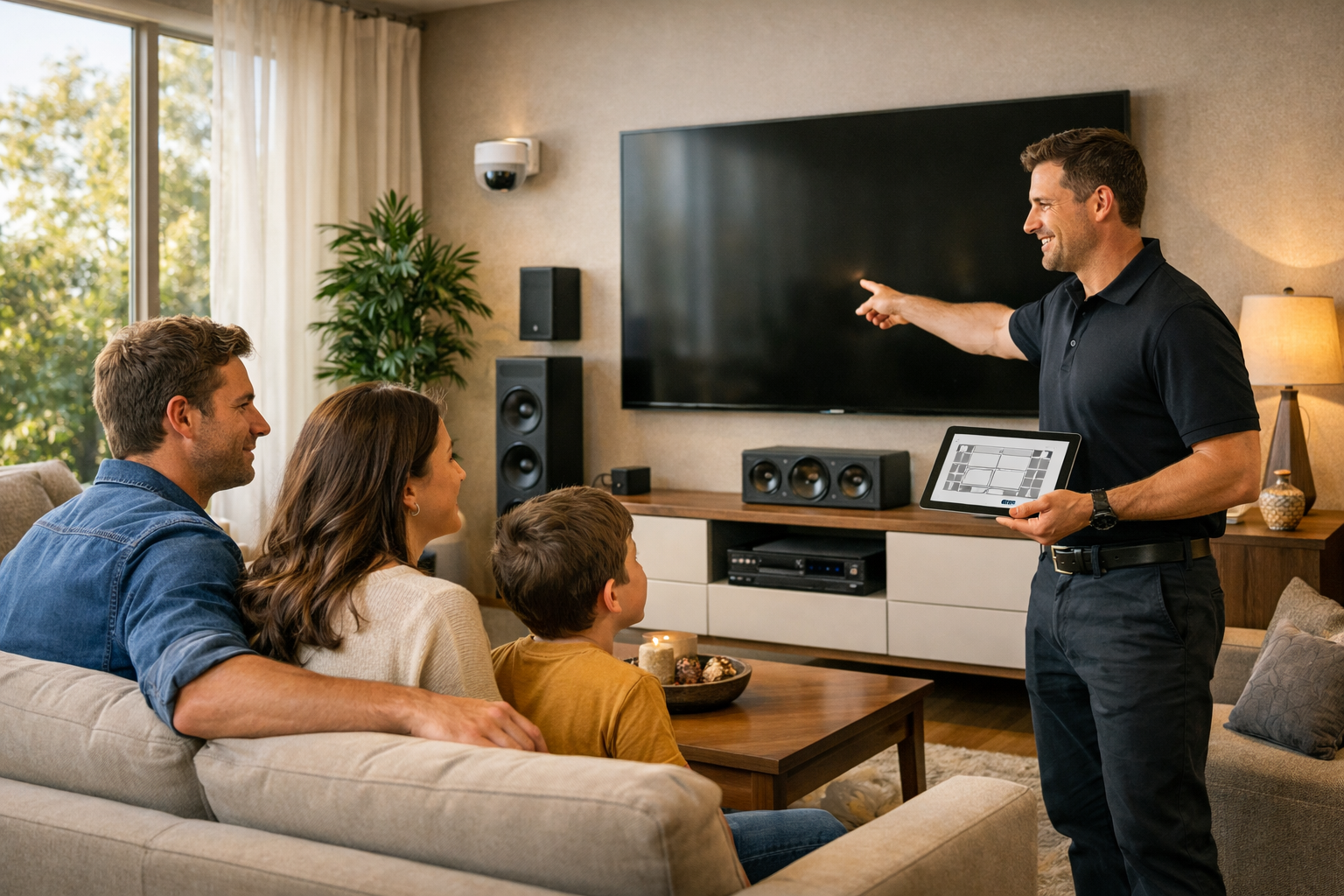
Choosing the right Home theatre solutions for your living room is not only about buying expensive equipment. A good setup depends on your room size, seating arrangement, sound quality, and the way you enjoy movies, sports, or games. Every home is different, so it is important to understand what works best for your space before making any decision. A well-planned home theatre can provide clear sound, comfortable viewing, and a better entertainment experience for the whole family.
Understand Your Living Room Size
The first step is to measure your living room. The size of the room plays an important role in choosing the right television or projector, speakers, and seating arrangement. A large screen in a small room may feel uncomfortable, while a small screen in a large room may not provide a satisfying viewing experience.
You should also check the shape of the room. A square room and a rectangular room may require different speaker placements. Knowing the available space helps you select equipment that fits naturally without making the room feel crowded.
Select the Right Display
The display is one of the most important parts of any home theatre. Many people choose between a smart TV and a projector based on their room size and personal preference.
A television offers bright pictures and is suitable for rooms with natural light. A projector can create a cinema-like experience, especially in darker rooms with enough wall space or a projector screen.
The viewing distance is also important. Sitting too close or too far from the screen can reduce comfort. Choosing the right screen size helps everyone enjoy clear and comfortable viewing.
Focus on Good Sound Quality
Picture quality is important, but sound quality creates the complete entertainment experience. Clear audio allows you to hear conversations, background music, and action scenes more naturally.
You can choose from different speaker setups depending on your room size. Some living rooms work well with soundbars, while others benefit from multiple speakers placed around the room. Speaker placement should be planned carefully to create balanced sound throughout the seating area.
Avoid placing speakers where furniture blocks the sound, as this can reduce audio quality.
Think About Seating Comfort
Comfortable seating makes a big difference during long movies or sports events. Arrange the seats so everyone has a clear view of the screen without turning their heads.
Leave enough space between the seats and the display to avoid eye strain. If multiple rows of seating are available, slightly raising the back row can improve visibility for everyone.
Soft lighting around the seating area can also make the room feel more comfortable without affecting the screen.
Plan the Lighting Carefully
Lighting has a direct effect on picture quality. Bright sunlight or strong indoor lights may create reflections on the screen, making it difficult to enjoy movies.
Curtains or blinds can help reduce outside light during daytime viewing. Adjustable lighting allows you to create a comfortable environment for different activities such as watching films, playing games, or relaxing with family.
Using warm lighting instead of very bright lights often creates a more pleasant atmosphere for home entertainment.
Organize Cables and Equipment
A clean setup improves both safety and appearance. Loose cables can make the room look untidy and may become a tripping hazard.
Plan where devices such as streaming boxes, gaming consoles, speakers, and receivers will be placed before installation. Cable management systems can help keep wires hidden and organized.
Good airflow around electronic devices is also important because it helps prevent overheating and keeps the equipment working properly.
Choose Features That Match Your Needs
Not everyone uses a home theatre in the same way. Some families mainly watch movies, while others enjoy gaming, music, or live sports.
Think about the features that matter most to you. Smart connectivity, wireless speakers, voice control, and streaming support may improve daily use. Choosing useful features instead of unnecessary extras can help create a practical system that suits your lifestyle.
It is also helpful to select equipment that can be upgraded later if your entertainment needs change.
Consider Professional Installation
Some home theatre systems are easy to install, while larger setups require careful planning. Professional installation helps ensure that speakers, displays, and cables are positioned correctly.
Proper installation can improve both sound and picture quality because each component is placed in the most suitable location. It also reduces the chances of connection problems and keeps the overall setup neat and organized.
Before installation begins, discuss your room layout and viewing preferences so the system can match your space.
Think About Future Expansion
Technology continues to improve, so it is useful to choose a system that allows future upgrades. You may decide to add more speakers, improve the display, or connect additional smart devices later.
Selecting equipment with modern connection options makes future expansion easier. Planning ahead also helps you avoid replacing the entire system when you want to make improvements.
A flexible setup gives you more options while keeping your entertainment space ready for changing needs. Choosing Home theatre solutions with future upgrades in mind can help you enjoy better performance for many years.
Categorieën
Read More
Tapout has become one of the most recognizable names in combat sports-inspired apparel across the USA. From the classic tapout hoodie to stylish tapout shirts, durable jeans, and athletic shorts, the brand continues to attract fitness enthusiasts, MMA fans, and streetwear lovers alike. If you're looking for authentic tapout apparel that combines comfort, performance, and bold style, this guide...

Angel investing offers an exciting opportunity to support innovative startups while building long-term wealth. However, investing in early-stage companies comes with unique challenges, including evaluating founders, understanding business models, assessing market potential, and managing investment risk. Without the right knowledge, even experienced investors can struggle to make informed...