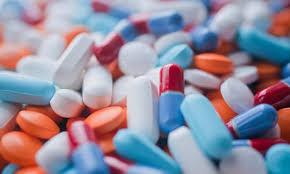
Revolutionizing Healthcare: The Expansive Growth of the Drug Delivery Market

The Drug Delivery Market is at the forefront of a healthcare revolution, fundamentally changing how pharmaceutical treatments are administered to patients across the globe. This dynamic and rapidly evolving sector encompasses a vast array of technologies, systems, and devices designed to transport therapeutic agents to their intended sites of action within the body, maximizing efficacy while minimizing side effects. As the global burden of chronic diseases escalates and the demand for more personalized, patient-centric care intensifies, the importance of innovative drug delivery solutions has never been more pronounced. The market's trajectory reflects a paradigm shift from traditional methods to advanced, sophisticated systems that promise to improve patient compliance, therapeutic outcomes, and overall quality of life, positioning drug delivery as a critical pillar of modern medicine and a key driver of healthcare innovation.
The rising prevalence of chronic diseases such as diabetes, cancer, cardiovascular disorders, and respiratory conditions is a primary catalyst for the market's expansion. These conditions often require sustained, long-term drug administration, necessitating delivery systems that can ensure therapeutic efficacy over extended periods . Traditional oral formulations often fall short in maintaining consistent drug concentrations, which has accelerated the adoption of controlled-release systems, infusion pumps, and transdermal patches . For instance, the insulin-dependent diabetic or the cancer patient undergoing complex therapy relies heavily on the reliability and precision of their delivery systems . As the World Health Organization reports chronic diseases as leading causes of death globally, the demand for effective drug delivery devices is set to rise, providing a significant growth avenue for the market .
Technological advancements are another powerful driver reshaping the Drug Delivery industry. The integration of nanotechnology, biodegradable materials, and smart, connected devices is enabling more precise, targeted, and patient-friendly drug administration . Innovations such as smart autoinjectors with Bluetooth connectivity, implantable drug delivery implants for sustained release, and nanoparticle-based carriers are revolutionizing treatment paradigms . These advancements allow for controlled release, better bioavailability, and the ability to cater to specific patient needs, including the elderly and those requiring complex therapies like biologics and mRNA treatments . The shift towards user-friendly, self-administration devices also reflects a growing trend towards home-based healthcare, reducing hospital visits and empowering patients to manage their conditions more effectively .
The Global Drug Delivery Market was valued at USD 46.04 Billion in 2025 and is projected to grow to USD 64.47 Billion by 2033, with a compound annual growth rate (CAGR) of 4.3% from 2027 to 2033. Geographically, North America currently dominates the market, accounting for a 47.80% share in 2025, driven by its robust healthcare infrastructure, high R&D investment, and the presence of major pharmaceutical players . However, the Asia-Pacific region is emerging as the fastest-growing market, fueled by rapid urbanization, increasing healthcare expenditure, and a rising burden of chronic diseases . The oral route remains the most dominant administration method with a 30.1% share in 2025, but injectable and pulmonary routes are experiencing rapid growth due to their role in delivering biologics and managing respiratory conditions . The Asia Pacific Drug Delivery Market presents substantial opportunities for market players, driven by technological adoption and the expansion of healthcare infrastructure across the region.
Categories
Read More
A Niki Live Agency offers an excellent opportunity to build a network of talented hosts and earn commissions through their performance. By joining a Niki Live Agency, you can recruit, guide, and manage hosts while helping them grow on the platform. Agents receive access to agency tools, performance tracking, and commission-based earnings that increase as their team expands. The...

In today's competitive academic environment, students are expected to manage multiple responsibilities while maintaining high academic standards. They often balance lectures, projects, examinations, part-time jobs, and personal commitments simultaneously. As a result, completing assignments on time can become a challenging task. This is where Assignment Help becomes a valuable academic support...

Tapentadol 100 mg tablets are prescription medications commonly used to manage moderate to severe pain in adults. As a centrally acting analgesic, Tapentadol works by affecting pain signals in the brain and nervous system, helping patients find relief when other pain management options may not be sufficient. Due to its potency and prescription-only status, it is important for patients to...