The Revolution of Pre-Construction: How BIM-to-Takeoff Automation is Changing Electrical Estimating Services
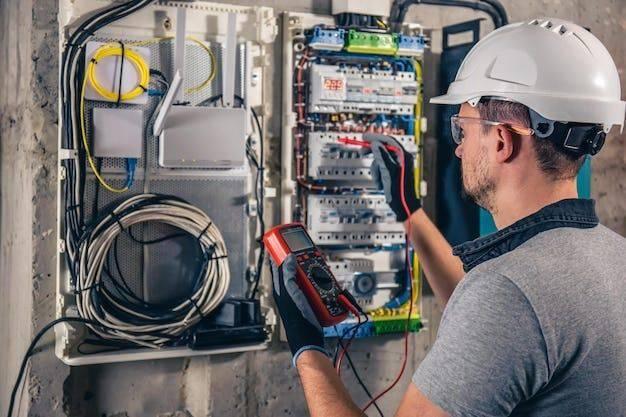
The construction industry is rapidly embracing digital transformation, and one of the biggest breakthroughs is Building Information Modeling (BIM) integrated with automated quantity takeoffs. Instead of relying solely on manual measurements and spreadsheets, contractors now use BIM-powered workflows to generate faster, more accurate project data.
For companies competing in today's fast-paced construction market, Electrical estimating services powered by BIM-to-takeoff automation have become a strategic advantage. Automated workflows reduce manual errors, accelerate bid preparation, improve collaboration, and help contractors win more profitable projects.
Whether you're a general contractor, subcontractor, developer, or project manager, understanding how BIM automation influences Electrical estimates can help you make better bidding decisions while minimizing project risks.
Why Pre-Construction Is Becoming More Digital
Pre-construction has evolved from simple blueprint reviews into a technology-driven planning process.
Today, successful projects rely on:
- Digital building models
- Cloud collaboration
- Automated quantity extraction
- AI-assisted estimating
- Real-time pricing databases
- Data-driven decision-making
Instead of spending days counting electrical components manually, Electrical Estimators can now generate detailed takeoffs within hours using BIM software.
This shift allows estimating teams to focus on strategy rather than repetitive calculations.
What Is BIM-to-Takeoff Automation?
BIM-to-takeoff automation is the process of extracting construction quantities directly from a 3D Building Information Model.
Rather than measuring plans manually, specialized software identifies project elements and calculates quantities automatically.
For electrical projects, this includes:
- Conduit lengths
- Cable quantities
- Switches
- Outlets
- Lighting fixtures
- Distribution panels
- Cable trays
- Junction boxes
- Electrical equipment
- Fire alarm devices
The extracted quantities become the foundation for accurate Electrical estimates.
How Traditional Electrical Estimating Works
Traditional estimating usually involves:
- Reviewing 2D drawings
- Measuring every electrical component manually
- Counting symbols individually
- Recording quantities in spreadsheets
- Applying labor rates
- Adding material pricing
- Calculating overhead and profit
While effective, this method is:
- Time-consuming
- Labor-intensive
- Prone to human error
- Difficult to update after design revisions
Large commercial projects may require hundreds of labor hours simply for quantity takeoffs.
How BIM Automation Changes the Entire Workflow
Instead of repeating manual calculations after every design change, BIM automatically updates quantities whenever the model changes.
The process generally follows this workflow:
Step 1 – Import the BIM Model
The estimator receives a coordinated 3D building model.
Step 2 – Automatic Quantity Extraction
Software identifies every electrical component automatically.
Examples include:
- Receptacles
- Light fixtures
- Breakers
- Conduits
- Wiring
- Switchboards
Step 3 – Cost Database Integration
The quantities connect with current pricing databases.
Material costs, labor units, and equipment pricing update automatically.
Step 4 – Bid Generation
The system produces accurate reports that can be reviewed and adjusted by experienced Electrical Estimators before submission.
Major Benefits of BIM-to-Takeoff Automation
1. Higher Accuracy
Manual counting often introduces mistakes.
Automation reduces:
- Duplicate quantities
- Missed components
- Calculation errors
- Inconsistent measurements
This leads to more reliable Electrical estimates.
2. Faster Bid Preparation
Time savings are significant.
Manual takeoffs that once required several days can often be completed within hours.
This enables contractors to bid on more projects without expanding estimating teams.
3. Better Collaboration
Because BIM creates a shared project model, all stakeholders work from the same information.
This improves communication between:
- Architects
- Engineers
- Electrical contractors
- Owners
- Project managers
4. Instant Design Updates
Construction drawings frequently change during pre-construction.
Instead of restarting the estimate, BIM updates quantities automatically after model revisions.
This dramatically reduces rework.
5. Reduced Financial Risk
Accurate quantity extraction minimizes:
- Underbidding
- Material shortages
- Cost overruns
- Unexpected change orders
Professional Electrical estimating services rely on these efficiencies to improve project profitability.
The Role of Electrical Estimators in an Automated World
Automation doesn't replace experienced estimators—it enhances their capabilities.
Modern Electrical Estimators are responsible for:
- Validating automated takeoffs
- Reviewing project specifications
- Identifying missing scope
- Evaluating constructability
- Adjusting labor productivity
- Applying regional pricing
- Managing project risks
Human expertise remains essential because software cannot fully understand every project condition or contractual requirement.
Why Electrical Estimating Companies Are Investing in BIM
Leading Electrical estimating Company providers recognize that clients demand faster turnaround times and greater accuracy.
BIM-driven workflows help companies:
- Handle more bids simultaneously
- Improve estimate consistency
- Reduce estimating costs
- Deliver detailed reports
- Increase client confidence
- Stay competitive in digital construction markets
As BIM adoption continues to grow, automation is becoming a standard rather than a competitive advantage.
Common Projects That Benefit from BIM-Based Electrical Estimates
BIM-to-takeoff automation is especially valuable for:
Commercial Buildings
- Office towers
- Shopping centers
- Hotels
Healthcare Facilities
- Hospitals
- Clinics
- Medical laboratories
Educational Institutions
- Universities
- Schools
- Research centers
Industrial Projects
- Manufacturing plants
- Warehouses
- Distribution centers
Residential Developments
- Apartment complexes
- High-rise condominiums
- Mixed-use communities
These projects often involve thousands of electrical components, making automation highly effective.
Challenges to Consider
Although BIM automation offers major advantages, contractors should understand its limitations.
Model Quality
Incomplete BIM models can produce inaccurate quantities.
Software Compatibility
Different design platforms may require additional coordination.
Initial Investment
Implementing BIM software involves training, licensing, and workflow changes.
Human Oversight
Automation still requires professional review to verify scope completeness and pricing accuracy.
Best Practices for Using BIM in Electrical Estimating
To maximize the benefits of BIM-to-takeoff automation:
- Maintain updated material pricing databases.
- Verify quantities against project specifications.
- Review automated outputs before submitting bids.
- Coordinate with architects and MEP engineers early.
- Standardize estimating workflows across projects.
- Train estimators on BIM software and digital collaboration tools.
- Document all assumptions for transparency.
Future Trends in Electrical Estimating
The next generation of Electrical estimating services will integrate:
- Artificial Intelligence (AI)
- Machine learning
- Predictive cost analytics
- Cloud-based collaboration
- Digital twins
- Automated risk assessment
- Real-time supplier pricing
- Generative design analysis
These technologies will make estimating faster, smarter, and more data-driven than ever before.
Frequently Asked Questions (FAQs)
What is BIM-to-takeoff automation?
It is a process that automatically extracts material quantities from a Building Information Model to create faster and more accurate construction estimates.
How does BIM improve Electrical estimates?
BIM reduces manual measurement errors, updates quantities automatically after design revisions, and improves collaboration among project teams.
Can BIM replace Electrical Estimators?
No. BIM automates quantity extraction, but experienced Electrical Estimators are still needed to review project scope, apply labor productivity, evaluate risks, and finalize pricing.
Why should contractors use Electrical estimating services with BIM?
BIM-enabled Electrical estimating services provide faster turnaround times, greater accuracy, reduced estimating costs, and improved bid competitiveness.
Which projects benefit the most from BIM estimating?
Large commercial, industrial, healthcare, educational, and multi-family residential projects gain the greatest advantages because of their complex electrical systems.
Final Thoughts
Digital transformation is redefining pre-construction, and BIM-to-takeoff automation is at the center of that evolution. By replacing manual quantity takeoffs with intelligent, model-based workflows, contractors can improve accuracy, reduce estimating time, and make better business decisions.
Professional Electrical estimating services that combine BIM technology with the expertise of skilled Electrical Estimators offer a powerful solution for today's construction challenges. As more Electrical estimating Company providers adopt advanced automation, contractors who embrace these innovations will be better positioned to deliver precise Electrical estimates, control costs, and secure more successful projects.
Categorías
Read More
Bookkeeping Services in New York are an essential part of financial management for businesses operating in a highly competitive and fast-moving economy. Professional Bookkeeping Services New York help organizations maintain structured and error-free financial records while ensuring smooth reporting and compliance. For assistance and financial guidance,...

The real estate market in Pune is growing rapidly, making it more challenging for builders, developers, brokers, and property consultants to attract potential buyers. Traditional marketing methods alone are no longer enough to generate consistent leads and build brand awareness. This is where real estate digital marketing in Pune plays a crucial role. By using digital platforms strategically,...

Introduction Hiren Engineers is a trusted name in the manufacturing of premium-quality industrial components, delivering precision-engineered solutions for various engineering applications. Among its reliable product range, the Root Blower Body Threaded Pin is designed to provide exceptional strength, secure fastening and long-lasting performance in root blower assemblies. Manufactured using...
Buy Tires on Financing | Wheels, Finance Options Near Me - TireBros24: Your search for best wheel financing near me ends here! Buy tires hassle-free with flexible finance options at TireBros24! Explore a wide selection of quality tires and enjoy a smooth ride with stress-free financing. Address: San Diego, CA, United States 90011 Phone: 877 799 8224 Company Name: TireBros24 Keyword:...