Relocating Your Home with Care and Efficiency
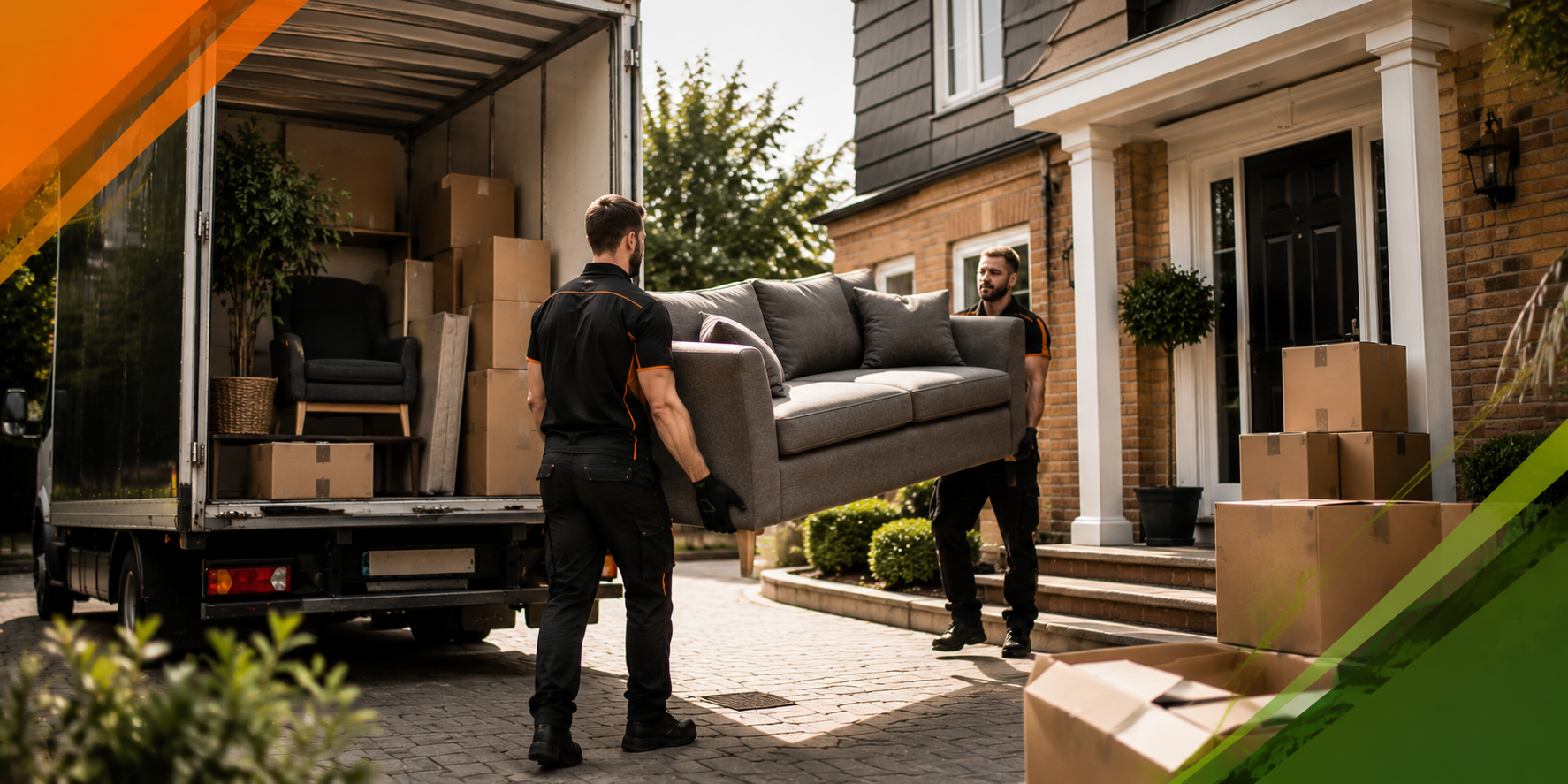
Achieving a damage free transit relies heavily on how items are arranged inside the transport vehicle. Professional loading is a systematic science that involves distributing weight evenly across the vehicle axles to prevent swaying or handling difficulties on the road. The process begins by creating a solid base tier at the back of the truck cabin, utilizing the heaviest, most structurally sound items such as washing machines, refrigerators, and heavy wooden dressers. These items must be strapped securely against the internal walls using heavy duty ratcheting tie downs to prevent any forward or backward shifting during sudden stops.
Once the heavy appliances are anchored, the next phase involves building tight, interlocking tiers of uniform boxes. Heavy boxes containing books or dishes are placed directly on top of appliances or the truck floor, while lighter boxes containing linens and fragile items are stacked on top. To maximize space and prevent columns from collapsing, loaders use a brick layering technique, offsetting the seams of the boxes to create a unified, immovable wall of cargo. Any remaining gaps between boxes or furniture pieces must be tightly packed with rolled up carpets, moving pads, or soft bags of clothing to eliminate the empty spaces that allow shifting during transit.
Navigating the First Week and Settling into Your New Neighborhood
Arriving at your new home marks the beginning of the final phase of your relocation journey: unpacking and acclimation. Rather than tearing open every cardboard box simultaneously, which creates an unmanageable environment, approach unpacking with a room by room priority strategy. Begin immediately with the kitchen and primary bathrooms, as having operational cooking facilities and functional hygiene spaces instantly restores a sense of normalcy to the household. Set up and assemble the bed frames and mattresses on the very first night so that your family can enjoy restorative sleep after an exhausting moving day.
Once the core living spaces are functional, turn your attention to integrating into your new local community. Take time to walk around the neighborhood to locate essential amenities such as the nearest grocery stores, medical clinics, pharmacies, and emergency services. Introduce yourself to your immediate neighbors to foster a welcoming environment and gain local insights regarding community guidelines or waste management schedules. Registering your new address with local government authorities, updating your driver license, and transferring medical records to nearby healthcare providers during the first week ensures a seamless administrative transition into your new life.
The Ultimate Guide to Planning a Stress Free House Relocation Effortless Strategies for a Seamless Transition
Relocating to a new residence represents an exciting milestone in life, marking the beginning of fresh memories and new opportunities. However, the comprehensive logistics of packing up your entire life and transporting it to a different location can quickly turn this excitement into a source of immense stress and anxiety. From sorting fragile glassware to handling heavy furniture, every stage of the residential moving process requires precise planning, strategic organization, and careful execution. To ensure your upcoming transition is smooth, efficient, and entirely hassle free, understanding the fundamental mechanics of structured household shifting is absolutely critical for property owners and renters alike.
A successful residential transition is never the result of last minute packing or disorganized scheduling. Instead, it relies on a well structured timeline that outlines every major task weeks before the actual moving day arrives. By managing your time effectively, you can systematically tackle each room, minimize the risk of damaging your valuable belongings, and avoid the common pitfalls associated with chaotic relocations. Whether you are moving a small city apartment or a sprawling suburban villa, implementing professional relocation strategies will completely transform your experience, allowing you to settle into your new home with complete peace of mind.
When it comes to executing a smooth and seamless transition, partnering with an experienced moving company is one of the most effective decisions you can make. Relying on professional expertise ensures that every single item, from delicate kitchenware to bulky bedroom sets, is treated with the highest level of care. If you are looking for a reliable, highly efficient, and expert partner to manage your upcoming relocation, choosing a specialized service like Home Removal will ensure that your belongings are securely packed, safely transported, and flawlessly delivered to your new doorstep without any unnecessary complications or hidden costs.
Essential Steps for Pre Move Planning and Room by Room Decluttering
The absolute foundation of a successful residential move begins long before the first cardboard box is ever taped shut. The pre move phase is the perfect opportunity to assess your entire household inventory and systematically reduce the sheer volume of items that need to be transported. Every square foot of your current home contains items that are no longer useful, functional, or relevant to your daily lifestyle. By engaging in an intensive, room by room decluttering process, you can dramatically reduce your overall transit costs, save precious time during the packing stage, and ensure that your new living space remains organized and uncluttered from day one.
To start this process effectively, approach your home systematically by targeting one specific area at a time rather than trying to declutter the entire house in a single weekend. Begin with your storage spaces, such as the attic, basement, garage, or spare closets, as these areas typically accumulate the highest density of forgotten or unused items. Categorize every single item into four clear and distinct groups which are items to keep, items to donate, items to sell, and items to discard. Be thoroughly honest with yourself during this evaluation; if you have not utilized an item within the past twelve months, it is highly likely that you will not miss it in your new residence.
Once your storage areas are completely sorted, move on to the main living areas, including the bedrooms, kitchen, and living room. In the kitchen, carefully evaluate your cookware, small appliances, and dinnerware, setting aside duplicate items or old gadgets that simply occupy valuable cabinet space. In the bedrooms, go through your wardrobe to separate seasonal clothing that no longer fits or matches your current style preference. Donating functional electronics, books, and gently used clothing to local charities not only benefits your community but also streamlines your logistics, ensuring that your moving vehicle is reserved exclusively for the belongings that truly matter to your family.
Selecting Premium Packing Materials to Ensure Maximum Protection
One of the most critical aspects of securing your household goods during transit is the selection of premium grade packing supplies. Many individuals make the costly mistake of using old, compromised grocery store boxes or low quality adhesive tapes to save on immediate expenses, only to suffer significant property damage during the journey. Standard household items require specialized protection to withstand the physical forces of lifting, stacking, and vehicle vibration. Investing in robust, industry standard packing materials is the single most effective way to safeguard your fragile belongings and ensure everything arrives at your destination in pristine condition.
A professional grade packing toolkit must include an assortment of sturdy, double walled cardboard cartons in various sizes to accommodate different types of household items. Heavy items, such as books, files, and canned goods, must always be placed into smaller boxes to prevent the container from breaking under excessive weight and to ensure it remains manageable for lifting. Conversely, lighter but bulkier items like blankets, pillows, clothing, and linens can be safely packed into larger containers. In addition to standard boxes, acquiring specialized wardrobe boxes with built in hanging bars allows you to transfer your clothes directly from your closet without wrinkling or folding them.
Beyond the containers themselves, protective cushioning materials play a vital role in preventing damage caused by shifting items inside the boxes. High quality bubble wrap, thick packing paper, and anti static foam peanuts are essential for wrapping individual fragile objects and filling any empty spaces within a carton. Heavy duty packing tape with strong adhesive properties is required to securely seal both the top and bottom seams of every box. Furthermore, vibrant colored markers and detailed labeling techniques are indispensable for tracking your inventory, allowing you to clearly note the specific room destination and handling instructions, such as fragile or this side up, on multiple sides of every package.
Strategic Packing Techniques for Fragile Household Goods and Electronics
Packing delicate items, family heirlooms, and high value electronic devices requires an advanced level of precision and strategic execution. Items made of glass, porcelain, or ceramics are highly susceptible to structural damage if they are allowed to come into direct contact with one another during transportation. To eliminate this risk, each fragile item must be wrapped individually with multiple layers of clean packing paper or protective bubble wrap before being placed into a box. When packing plates and dishes, always place them vertically on their edges rather than stacking them flat, as vertical orientation naturally distributes pressure much more effectively and prevents cracking.
Electronic devices, such as high definition televisions, desktop computers, gaming consoles, and sound systems, demand specialized handling due to their sensitive internal components and fragile screens. The absolute best way to transport these items is within their original manufacturer packaging, which includes custom fitted foam inserts designed specifically for that device. If the original boxes are no longer available, you should utilize heavy duty electronics boxes and wrap the devices completely in anti static bubble wrap to prevent static discharge and physical impacts. Remember to take clear photographs of the cable configurations at the back of your electronics before disconnecting them to simplify the reassembly process later.
When packing boxes containing delicate or fragile items, always follow the golden rule of placing the heaviest items at the bottom of the container and the lighter, more delicate items near the top. Fill every remaining pocket of empty space inside the box with crumpled packing paper or foam peanuts to create a tight, movement free environment. Before sealing the box with heavy duty tape, gently shake the container; if you feel or hear any movement inside, add more cushioning material until the contents are completely immobilized. Clearly marking these boxes with bright red markers will immediately alert the loading crew to handle them with extreme care.
Professional Strategies for Dismantling and Moving Large Furniture Items
Manuevering heavy, bulky, and oddly shaped furniture through narrow hallways, tight doorways, and steep stairwells is undoubtedly one of the most physically demanding aspects of any residential relocation. Attempting to move large furniture pieces completely assembled not only increases the risk of injuring yourself but can also cause severe structural damage to the items themselves and scratch the walls of your property. To execute this process safely and professionally, structural disassembly should be carried out whenever possible for major furniture pieces, including bed frames, dining tables, large wardrobes, and modular desk units.
Before you begin the dismantling process, ensure you have the proper tools on hand, such as screwdrivers, Allen keys, wrenches, and a rubber mallet. As you remove screws, bolts, brackets, and small wooden dowels from each furniture piece, place them immediately into a secure, labeled plastic zip bag and tape the bag directly to a main component of the corresponding furniture item to prevent losing crucial assembly hardware. For intricate pieces of furniture, taking step by step photographs during disassembly provides an invaluable visual reference guide that will save you hours of confusion when it comes time to reassemble the items in your new home.
Once a piece of furniture is disassembled or prepared for transport, it must be thoroughly protected using thick moving blankets and heavy duty stretch plastic wrap. Moving blankets provide an excellent cushion against scratches, dents, and scuffs, while the plastic wrap holds the blankets firmly in place and protects fabric upholstery from dust, dirt, and moisture during transit. For items that cannot be disassembled, such as large sofas or antique dressers, ensure all drawers are completely emptied, removed, or securely taped shut, and protect the vulnerable corners with extra cardboard padding to absorb any accidental impacts during lifting and loading.
Managing Moving Day Logistics for an Orderly and Structured Transition
When the actual moving day finally arrives, having a clear, structured logistical plan in place is essential for maintaining order and keeping stress levels to an absolute minimum. The moving day should begin early in the morning to maximize daylight hours and provide ample time to handle any unexpected delays that might arise. Before the loading process begins, perform a final, comprehensive walkthrough of your entirely empty rooms to verify that absolutely nothing has been left behind in hidden cupboards, built in shelves, or deep closet corners.
If you have hired a professional moving crew, take a few minutes at the beginning of the day to introduce yourself and conduct a brief tour of the property, highlighting any specific high value items, fragile boxes, or large furniture pieces that require special handling or unique loading techniques. A well organized loading strategy always involves placing the heaviest furniture items and largest boxes at the very front of the moving truck near the driver cabin, while lighter boxes and delicate electronics are loaded toward the rear. This balanced weight distribution ensures the vehicle remains stable, safe, and easy to maneuver throughout the entire journey.
In addition to managing the main cargo, every household should prepare a dedicated moving day essentials bag or box that remains with you in your personal vehicle rather than being loaded onto the main transport truck. This essential kit should contain vital documents, passports, moving contracts, basic tools, a first aid kit, phone chargers, prescription medications, basic toiletries, a change of clothes, and simple snacks or bottled water. Having immediate access to these essential items ensures that your family remains comfortable and fully prepared during the transition period before the main boxes are unpacked.
Frequently Asked Questions
How far in advance should I begin preparing for my upcoming residential move?
It is highly recommended to begin your moving preparations at least six to eight weeks before your scheduled relocation date. Starting early allows you to systematically declutter your household, source high quality packing materials, pack non essential items room by room, and secure a booking with a reputable professional moving service during their peak operational times.
What is the most effective way to prevent property damage to walls and floors during a move?
To protect your current and future property from scratches, scuffs, and dents, you should use specialized protective coverings on vulnerable areas. Placing durable floor runners or thick cardboard sheets over hardwood and carpeted hallways protects floors from heavy foot traffic, while wrapping door frames with moving blankets and using corner guards prevents damage from large furniture.
How should I handle the transportation of highly valuable or irreplaceable personal items?
Highly valuable, sensitive, or sentimental items such as legal documents, jewelry, family heirlooms, small electronics, and financial records should never be packed into the main moving truck. Instead, keep these items securely packed within a personal bag or lockbox that remains under your direct supervision and travels with you in your personal vehicle.
Can I leave clothes inside my dresser drawers to save time and packing space?
While it may seem convenient to leave clothing inside drawers, it is generally advised to remove them, especially for heavy or antique dressers. Leaving items inside adds significant weight to the furniture, making it dangerous to lift and increasing the risk of structural damage to the drawer tracks and frame during transit; clothing should instead be placed into dedicated wardrobe boxes.
What steps should I take immediately upon arriving at my new residence before unpacking?
Before unloading any boxes, perform a thorough inspection of your new home to ensure it is clean and that all major utilities like electricity, gas, and water are fully functional. Take photographs of utility meters for your records and map out where large furniture pieces will be placed to guide the moving crew efficiently as they unload the transport vehicle.
Categorii
Citeste mai mult
Is Blogging Still Relevant in 2026? Blogging has changed a lot in the last few years, but one thing is clear in 2026 blogging is still very relevant. Even with the rise of social media, AI tools, short videos, and podcasts, blogs continue to help businesses, creators, and brands grow online. A good blog gives detailed information, improves SEO rankings, builds trust, and helps websites get...

Clean drinking water is essential for maintaining good health and daily hygiene. In Siliguri, many homes and offices depend on RO water purifiers to remove impurities and provide safe water for drinking and cooking. However, continuous usage and changing water conditions can affect the performance of water purifiers over time, leading to technical issues that require professional...

In today’s fast-moving lifestyle, maintaining a healthy body weight has become increasingly difficult. Irregular eating habits, stress, lack of physical activity, and poor sleep patterns often contribute to unwanted fat gain and low energy levels. This is why Lean Peak weight loss supplement is becoming a widely discussed option for individuals looking for a more natural and sustainable...