What Is the Recovery Time After Hand Rejuvenation?
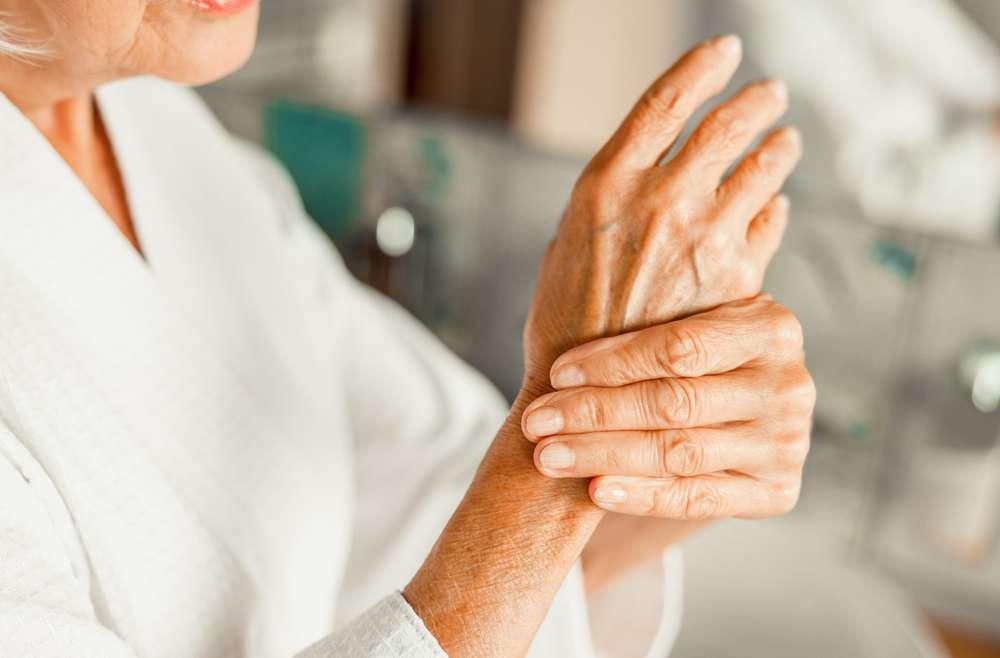
Hand rejuvenation is becoming an increasingly popular cosmetic choice for people who want to restore youthful volume, smoother skin, and a more refreshed appearance to their hands. As aging progresses, hands often show some of the earliest visible signs such as wrinkles, thinning skin, and prominent veins. These changes can affect confidence and make the hands appear older than the face. Hand Rejuvenation in Islamabad has gained attention due to advanced aesthetic techniques that now offer safer procedures with minimal downtime. Patients today are more concerned not only about results but also about how quickly they can return to daily routines after treatment. Recovery time is therefore one of the most important considerations before undergoing the procedure.Understanding what happens after treatment, how long healing takes, and what factors influence recovery can help patients make informed decisions. While the procedure itself is generally well-tolerated, recovery varies depending on the technique used and individual healing response.
Understanding Hand Rejuvenation Procedures
Hand rejuvenation is not a single treatment but a combination of procedures designed to improve the appearance of aging hands. Each method has a different recovery profile.Common treatments include dermal fillers, fat transfer, laser resurfacing, chemical peels, and skin-tightening procedures. Dermal fillers are often used to restore lost volume, while laser treatments improve skin texture and pigmentation. Fat grafting provides a more natural and longer-lasting volume restoration.The type of procedure chosen plays a major role in determining how long recovery will take and what post-treatment effects a patient may experience.
Typical Recovery Timeline After Hand Rejuvenation
Recovery after hand rejuvenation is generally quick, especially when compared to more invasive cosmetic surgeries. However, the exact timeline depends on the treatment approach.In most cases, patients may notice mild swelling or redness immediately after the procedure. This usually begins to settle within a few days. Minor bruising can also occur, especially after injectable treatments, and may take about a week or slightly longer to resolve.For non-invasive treatments such as laser therapy or chemical peels, recovery is usually faster, with most visible side effects disappearing within a few days. In contrast, fat transfer procedures may require a slightly longer healing period as the body adjusts to the newly transferred fat cells.Most patients can resume normal daily activities within 24 to 72 hours, although full healing and final results may take a few weeks to become fully visible.
Factors That Influence Recovery Time
Several factors can affect how quickly a person recovers after hand rejuvenation. These factors vary from patient to patient and can significantly influence the healing experience.
Type of Procedure Performed
The most important factor is the type of treatment used. Injectable fillers typically involve minimal downtime, while surgical or fat-based procedures require a longer recovery period.
Individual Healing Response
Every person’s body heals differently. Age, skin type, and overall health can impact how quickly swelling or bruising resolves. Younger individuals or those with good skin elasticity often recover faster.
Aftercare Practices
Proper aftercare plays a crucial role in recovery. Patients who follow post-treatment instructions carefully tend to heal more quickly and experience fewer complications.
Lifestyle Factors
Smoking, alcohol consumption, and poor nutrition can slow down the healing process. On the other hand, a healthy lifestyle supports faster tissue repair and improved results.
What to Expect Immediately After Treatment?
Right after hand rejuvenation, it is common to experience some temporary changes in the treated area. These effects are usually mild and part of the normal healing process.Swelling is one of the most common reactions and may make the hands appear slightly fuller than expected initially. This is temporary and typically settles within a few days. Mild redness or tenderness may also occur, especially if injections or laser treatments are used.Some patients may notice small bruises at injection sites, which gradually fade over time. In most cases, these side effects are not painful and do not interfere with daily activities.It is important to understand that initial results may not represent the final outcome, as the appearance continues to improve during the healing phase.
Recovery After Different Types of Hand Rejuvenation
Dermal Fillers Recovery
Dermal fillers are one of the most common options for hand rejuvenation. Recovery is usually quick, with minimal downtime. Mild swelling or bruising may last a few days, but most patients return to work almost immediately.
Fat Transfer Recovery
Fat transfer involves harvesting fat from another part of the body and injecting it into the hands. Recovery is slightly longer due to the dual treatment areas. Swelling may persist for one to two weeks, and final results become visible after several weeks as the fat settles.
Laser Treatment Recovery
Laser-based hand rejuvenation focuses on improving skin texture and pigmentation. Recovery is generally short, with mild redness lasting a few days. Patients are usually able to resume normal activities quickly.
Chemical Peel Recovery
Chemical peels may cause temporary peeling or flaking of the skin. Recovery depends on the depth of the peel but typically ranges from a few days to a week.
Aftercare Tips for Faster Recovery
Proper aftercare can significantly improve healing outcomes and reduce downtime after hand rejuvenation procedures.Keeping the hands clean and avoiding unnecessary pressure on the treated area helps prevent irritation. Patients are often advised to avoid excessive sun exposure, as the skin may be more sensitive during the healing phase.Using prescribed creams or moisturizers can support skin repair and reduce dryness. Staying hydrated also plays an important role in maintaining skin health and promoting faster recovery.It is recommended to avoid strenuous physical activities for a short period, especially after injectable or surgical procedures, to minimize swelling and discomfort.
When to Contact a Specialist
Although complications are rare, it is important to be aware of signs that may require medical attention. Persistent swelling, unusual pain, or signs of infection should not be ignored.If any symptoms worsen instead of improving over time, consulting a qualified specialist is essential. Timely evaluation ensures proper management and prevents potential complications.Regular follow-up appointments are also important to monitor healing progress and evaluate final results.
Common Misconceptions About Recovery
Many people assume that hand rejuvenation requires a long recovery period similar to surgical procedures, but this is not always the case. Most modern techniques are designed to minimize downtime and allow quick return to normal life.Another misconception is that results are immediately final. In reality, the hands continue to improve as swelling subsides and tissues settle. Patience is important to fully appreciate the outcome.Some individuals also believe that recovery is painful, but most procedures involve only mild discomfort that can be easily managed with basic care.
Long-Term Results and Healing Progress
While initial recovery is relatively short, the long-term results of hand rejuvenation continue to develop over time. As swelling reduces and skin adapts to the treatment, the hands gradually appear smoother and more youthful.In treatments like fat transfer, some initial volume may decrease as the body adjusts, but remaining fat provides long-lasting improvement. Dermal fillers may require maintenance sessions over time to sustain results.Laser and skin treatments continue to improve skin quality even weeks after the procedure as collagen production increases.
Conclusion
Recovery after hand rejuvenation is generally quick and manageable, with most patients resuming normal activities within a short period. The exact healing time depends on the type of procedure, individual response, and aftercare practices.
Categorias
Leia mais
Early childhood education plays a major role in developing a child’s personality, communication abilities, and creativity. Parents searching for the best play school in Noida often look for learning environments that encourage children to interact confidently, explore their imagination, and build important social skills from an early age. Modern play schools focus on holistic...

New Projects in Budigere Cross: The Emerging Residential Destination in Bangalore The demand for New Projects in Budigere Cross has increased significantly as homebuyers search for modern homes in well-connected locations. Situated in the eastern corridor of Bangalore, Budigere Cross has transformed into a preferred residential destination due to its strategic location, expanding...

COVID-19 continues to affect people around the world, although the symptoms and severity of infections have evolved over time. Many individuals now experience symptoms that resemble a common cold or seasonal respiratory illness. Understanding COVID day by day symptoms 2026 can help patients recognize early signs of infection, monitor symptom progression, and know when to seek medical...
Moving to a new home is an exciting milestone, but the process of relocating household belongings can often be stressful and overwhelming. From packing furniture and appliances to transporting fragile items safely, every stage of the move requires careful planning and execution. This is why many families and individuals choose professional home shifting Mumbai services to ensure a...

India's insurance sector is entering a new era of digital innovation with the launch of the SBI Life IIT Bombay AI Research Hub. The collaboration between SBI Life Insurance and IIT Bombay aims to explore the potential of Artificial Intelligence (AI) and cybersecurity to make insurance services smarter, faster, and more secure. The initiative brings together one of India's leading...