8 Reasons Healthcare Organizations Are Making the Switch from Phreesia in 2026
As healthcare organizations continue to modernize their operations, many are reevaluating the software they use to manage patient intake and front-office workflows. While Phreesia has long been a recognized solution for digital patient registration and engagement, today's providers often need a platform that supports the entire patient journey—not just check-in.
From appointment scheduling and patient flow management to workflow automation and operational reporting, clinics and hospitals are looking for more connected solutions. That's why many organizations are choosing to switch from Phreesia in 2026.
Here are eight key reasons behind this growing trend.
1. Need for a Complete Healthcare Operations Platform
Many healthcare providers now prefer platforms that combine patient intake, scheduling, communication, workflow automation, and operational analytics in one system.
Instead of managing multiple disconnected tools, organizations are adopting integrated platforms that simplify everyday operations and improve staff productivity.
2. Better Patient Flow Management
Patient intake is only one part of the patient experience. Healthcare organizations also need visibility into how patients move through appointments, waiting areas, treatment rooms, and follow-up care.
Platforms with patient flow management capabilities help reduce bottlenecks, shorten wait times, and improve overall clinic efficiency.
3. Advanced Scheduling Capabilities
Modern healthcare scheduling goes beyond booking appointments. Providers want intelligent scheduling tools that optimize provider calendars, minimize no-shows, and improve patient access.
Organizations switching from Phreesia often seek solutions with more advanced scheduling and appointment management features.
4. Real-Time Operational Visibility
Healthcare leaders increasingly rely on real-time data to make informed decisions.
Modern healthcare platforms provide dashboards and operational reports that allow administrators to monitor clinic performance, patient volumes, appointment status, and workflow efficiency in real time.
This visibility helps identify issues before they affect patient care.
5. Increased Workflow Automation
Administrative teams spend a significant amount of time handling repetitive tasks such as appointment reminders, patient communications, registration updates, and follow-up activities.
Healthcare organizations are adopting platforms that automate these workflows, allowing staff to focus more on patient care and less on manual administrative work.
6. Improved Patient Communication
Patients expect convenient and timely communication throughout their healthcare journey.
Modern healthcare platforms support secure messaging, appointment reminders, digital forms, notifications, and follow-up communications from a single system.
Improved communication leads to better patient engagement and a more positive overall experience.
7. Scalability for Growing Organizations
As healthcare organizations expand to multiple locations, operational complexity increases.
Many providers switching from Phreesia are looking for platforms that support multi-location scheduling, centralized reporting, standardized workflows, and organization-wide visibility.
Scalable solutions help maintain consistency while supporting future growth.
8. Connected Care with ClinIQ Healthcare
One of the biggest reasons organizations are moving to newer platforms is the need for a connected healthcare operations solution.
ClinIQ Healthcare brings together digital patient intake, appointment scheduling, patient flow management, workflow automation, real-time queue management, communication tools, and operational analytics within a single platform.
Rather than relying on multiple standalone applications, healthcare providers can manage the complete patient journey from one centralized system. This connected approach improves operational efficiency, reduces administrative burden, and enhances the patient experience across every stage of care.
How to Evaluate a Phreesia Alternative
Before making a switch, healthcare organizations should consider whether a platform offers:
-
Digital patient intake
-
Intelligent appointment scheduling
-
Patient flow management
-
Workflow automation
-
Real-time reporting
-
Secure patient communication
-
Multi-location support
-
Scalable infrastructure
-
Integration with existing healthcare systems
Choosing a solution that aligns with long-term operational goals can deliver greater value than focusing solely on patient registration.
Final Thoughts
The decision to switch from Phreesia is often driven by the need for a more comprehensive healthcare operations platform. While digital intake remains important, providers also require tools that improve scheduling, streamline workflows, enhance patient communication, and provide greater operational visibility.
As healthcare continues to evolve in 2026, organizations are increasingly investing in connected platforms that support the entire patient journey. Solutions like ClinIQ Healthcare help providers go beyond patient check-in by combining patient engagement, workflow automation, real-time queue management, and operational intelligence into one unified system, enabling more efficient operations and better patient experiences.
Categorias
Leia mais
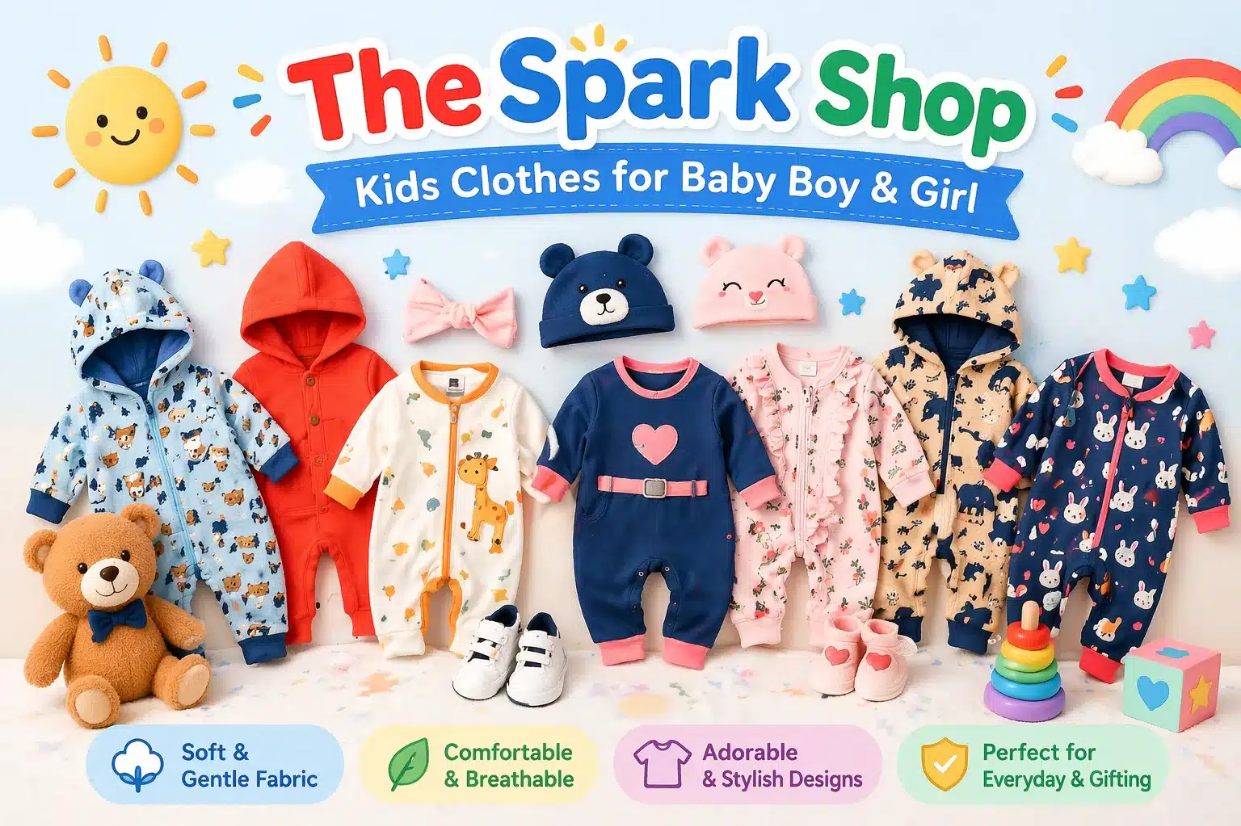
Parents know that finding the right clothes for their children is about more than just fashion. Comfort, durability, and affordability matter just as much. That’s why TheSpark Shop Kids has become a trusted destination for families. Offering a wide range of baby boy and girl outfits, this store ensures that little ones look adorable while staying cozy all day long. Why Choose TheSpark...
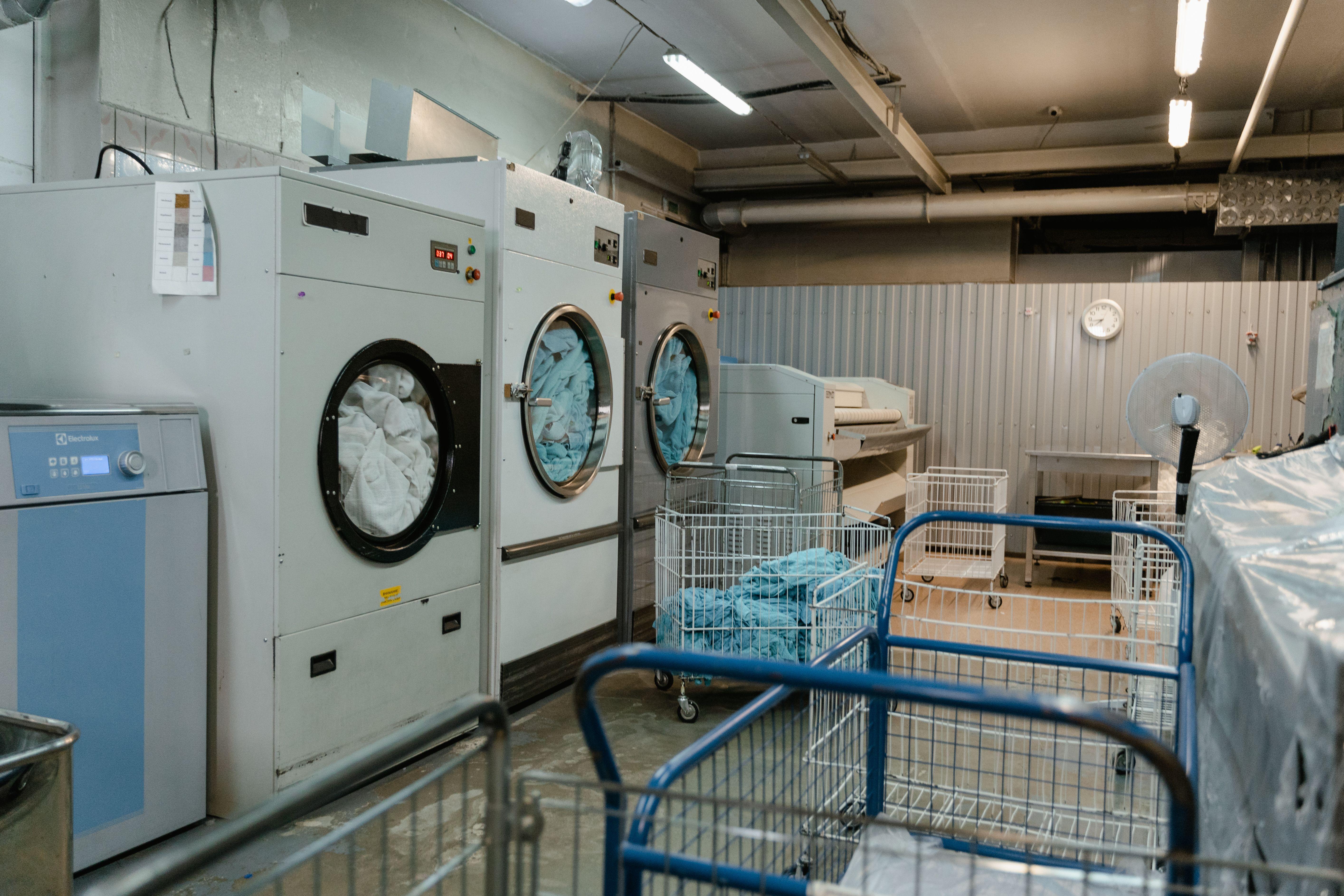
If you're searching for the Best dry cleaners near ALDI Stanhope Village, you'll find convenient and professional garment care services just minutes away. Whether you need business suits cleaned, wedding dresses preserved, school uniforms washed, or everyday laundry handled, choosing a trusted local dry cleaner helps keep your clothing looking its best. For residents of Stanhope Gardens...
TikTok has become one of the biggest influences in modern fashion. Trends can appear overnight and quickly reach millions of people through short videos, outfit showcases, and lifestyle content. Among the many fashion pieces gaining attention, the Parke sweatshirt has emerged as one of the most talked about wardrobe staples on the platform. From casual outfit videos to daily styling content,...

Une marque qui s’inscrit dans le style urbain parisien Paragoose s’est imposée progressivement dans le paysage de la mode urbaine, notamment à Paris, où le style vestimentaire est fortement influencé par un mélange de sophistication et de culture streetwear. La capitale française est un véritable laboratoire de tendances, et les...