Blood Sugar Test: Signs You Should Never Ignore
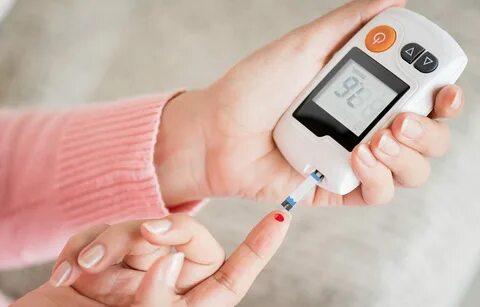
Many health conditions develop gradually, but few are as silent as abnormal blood sugar levels. In many cases, the body gives subtle warning signs long before diabetes or other metabolic disorders are diagnosed. Unfortunately, these symptoms are often mistaken for stress, aging, or everyday fatigue. A Blood Sugar Test Dubai is one of the most reliable ways to identify these hidden changes before they lead to serious health complications.
Whether you are experiencing unusual symptoms or simply want to monitor your overall health, understanding when a blood sugar test is necessary can help protect your long-term well-being. Early detection allows healthcare professionals to diagnose diabetes, identify prediabetes, monitor blood glucose levels, and recommend appropriate lifestyle changes before permanent damage occurs.
This guide explains the warning signs you should never ignore, how blood sugar testing works, what causes abnormal glucose levels, and practical ways to maintain healthy blood sugar.
Why Blood Sugar Balance Is Essential?
Glucose is the body's primary source of energy. Every organ, including the brain, muscles, and heart, depends on a steady supply of glucose to function properly.
The pancreas produces insulin, a hormone that helps move glucose from the bloodstream into body cells. When insulin production decreases or the body becomes resistant to insulin, blood glucose begins to rise. In other situations, blood sugar may drop too low due to medication, prolonged fasting, or certain medical conditions.
A blood sugar test measures these glucose levels and provides valuable information about your body's ability to regulate energy efficiently.
Early Warning Signs That Should Never Be Ignored:
Recognizing symptoms early is one of the most effective ways to detect diabetes before complications develop.
Frequent Urination:
One of the earliest signs of elevated blood glucose is frequent urination. Excess sugar in the bloodstream forces the kidneys to work harder, causing increased urine production.
Constant Thirst:
As the body loses more fluids through urination, dehydration develops, leading to persistent thirst even after drinking water.
Unexplained Fatigue:
When glucose cannot enter the body's cells efficiently, your muscles and organs receive less energy, leaving you feeling tired despite adequate rest.
Blurred Vision:
High blood sugar can temporarily affect the eye's natural lens, causing blurred vision that often improves once blood glucose becomes better controlled.
Increased Hunger:
Even after eating, people with abnormal glucose metabolism may continue feeling hungry because their cells cannot efficiently use available glucose for energy.
Slow-Healing Cuts and Wounds:
Elevated blood sugar may reduce circulation and impair the body's natural healing process, causing cuts, bruises, or infections to heal more slowly than expected.
Unexpected Weight Loss:
Some individuals lose weight without trying because the body begins breaking down muscle and fat when glucose cannot enter cells properly.
Tingling or Numbness:
Persistent high blood sugar may gradually damage nerves, causing tingling, numbness, or burning sensations in the hands and feet.
What Causes Abnormal Blood Sugar?
Blood glucose levels can become abnormal for many different reasons.
Common causes include:
-
Type 1 diabetes
-
Type 2 diabetes
-
Prediabetes
-
Insulin resistance
-
Physical inactivity
-
Obesity
-
Family history of diabetes
-
Poor dietary habits
-
Chronic stress
-
Hormonal disorders
-
Certain medications
-
Pregnancy-related glucose changes
Understanding these risk factors allows healthcare professionals to recommend appropriate blood sugar screening before symptoms worsen.
How a Blood Sugar Test Helps Identify the Problem?
A blood sugar test provides objective information that symptoms alone cannot reveal.
Healthcare professionals use blood glucose testing to:
-
Detect diabetes early
-
Identify prediabetes
-
Monitor diabetes treatment
-
Evaluate insulin function
-
Assess glucose metabolism
-
Prevent long-term complications
Testing is often recommended even when no symptoms are present because abnormal blood glucose can develop silently.
Different Blood Sugar Tests You Should Know:
Several blood sugar tests may be recommended depending on your symptoms and medical history.
Fasting Blood Sugar Test:
Performed after fasting overnight, this test measures your baseline blood glucose level and is commonly used for routine diabetes screening.
Random Blood Sugar Test:
This test can be performed at any time and is useful when symptoms strongly suggest abnormal blood sugar.
HbA1c Test:
The HbA1c test evaluates your average blood glucose levels over the previous two to three months, making it valuable for both diagnosis and long-term diabetes management.
Oral Glucose Tolerance Test:
This examination measures how efficiently your body processes glucose after consuming a glucose-rich beverage and is frequently used during pregnancy or when additional testing is needed.
Who Should Consider Regular Blood Sugar Screening?
Although everyone benefits from preventive healthcare, some individuals have a higher likelihood of developing diabetes.
Routine blood sugar testing is especially important for people who:
-
Have a family history of diabetes
-
Are overweight
-
Have high blood pressure
-
Have elevated cholesterol
-
Lead a sedentary lifestyle
-
Previously had gestational diabetes
-
Have been diagnosed with prediabetes
-
Experience recurring symptoms associated with abnormal glucose
Regular screening helps identify health problems before permanent damage develops.
Preparing for a Blood Sugar Test:
Preparation depends on the type of blood glucose test being performed.
If a fasting blood sugar test is scheduled, avoid food and beverages except water for the recommended fasting period.
For HbA1c and most random blood sugar tests, fasting is usually unnecessary.
Always inform your healthcare provider about prescription medications, supplements, recent illnesses, or major lifestyle changes that may affect blood glucose readings.
Everyday Habits That Help Maintain Healthy Blood Sugar:
While genetics influence diabetes risk, daily habits remain one of the strongest factors affecting blood glucose regulation.
Eat Nutrient-Rich Foods:
Choose vegetables, fruits, whole grains, legumes, lean proteins, and healthy fats. High-fiber foods help slow glucose absorption and support steady blood sugar levels.
Exercise Regularly:
Walking, cycling, swimming, and resistance training improve insulin sensitivity and help muscles use glucose more effectively.
Maintain a Healthy Weight:
Weight management reduces insulin resistance and supports healthier glucose metabolism.
Stay Hydrated:
Drinking enough water helps maintain normal circulation and supports kidney function.
Get Enough Sleep:
Consistent, high-quality sleep supports hormone balance and healthy insulin function.
Manage Stress:
Long-term stress increases hormones that may temporarily raise blood glucose levels. Relaxation techniques, meditation, breathing exercises, and regular physical activity can help reduce stress.
Common Mistakes People Make:
Many people ignore symptoms because they appear gradually.
Others assume that only older adults develop diabetes, when in reality people of all ages can experience abnormal blood glucose.
Some believe feeling healthy means their blood sugar must be normal. However, prediabetes and early Type 2 diabetes often produce few noticeable symptoms, making routine blood sugar testing an important part of preventive healthcare.
Finally, many individuals postpone medical evaluation after receiving abnormal laboratory results. Early medical assessment provides the best opportunity to prevent complications through lifestyle modifications and appropriate treatment.
Frequently Asked Questions:
Can diabetes develop without symptoms?
Yes. Many individuals have prediabetes or early Type 2 diabetes without obvious symptoms, which is why routine blood sugar testing is recommended for people with risk factors.
Is one abnormal blood sugar test enough to diagnose diabetes?
Not always. Healthcare providers often confirm abnormal findings with repeat testing, HbA1c measurements, and clinical evaluation.
Can healthy eating reduce diabetes risk?
A balanced diet rich in fiber, lean protein, vegetables, and whole grains supports healthy blood glucose regulation and reduces the risk of insulin resistance.
How often should blood sugar be tested?
Testing frequency depends on age, personal risk factors, medical history, symptoms, and recommendations from your healthcare provider.
Final Thoughts:
A blood sugar Lab tests is more than a routine laboratory examination—it is an essential tool for recognizing health problems before they become serious. Symptoms such as frequent thirst, unexplained fatigue, blurred vision, slow-healing wounds, increased hunger, and frequent urination should never be ignored, as they may indicate abnormal blood glucose levels.
Early blood sugar screening allows healthcare professionals to detect prediabetes, diagnose diabetes, monitor treatment effectiveness, and recommend lifestyle changes that protect long-term health. Combined with balanced nutrition, regular exercise, healthy weight management, adequate sleep, stress reduction, and routine medical checkups, blood glucose monitoring plays a vital role in preventing complications and supporting lifelong wellness.
Categorias
Leia mais
A radiant smile has always been a symbol of confidence, identity, and personal expression, and today more than ever, people are embracing bold aesthetics that reflect individuality and prestige. The rising fascination with metallic brilliance in dental aesthetics has reshaped modern beauty standards, where shine is not just an accent but a statement of personality, and within this evolving...
At The Elliott, you’ll find pet-friendly apartments that redefine modern living in Land O’ Lakes, FL. Experience spacious layouts with luxury finishes while enjoying incredible amenities tailored for you and your furry friends. Your pet will love the off-leash park and agility course, while you relax by the heated saltwater pool or socialize around the cozy fire pit. This inviting...

Maintaining a property involves protecting every part of the building, and the roof is undoubtedly one of the most important areas to consider. Over time, exposure to wind, rain, frost, and changing temperatures can affect the condition of even the strongest roofing systems. For homeowners and businesses seeking Roofing Services in Slough, professional roofing solutions provide the expertise...

Purchasing the right spare parts is essential for maintaining your vehicle's safety, reliability, and performance. However, many vehicle owners make costly mistakes when buying replacement components, often leading to premature failures, expensive repairs, and unnecessary downtime. Whether you're searching for Auto Spare Parts Dubai, car spare parts UAE, or specialized components for luxury...