


Spiti Bike Trip From Chandigarh: Best Route for First Time Riders
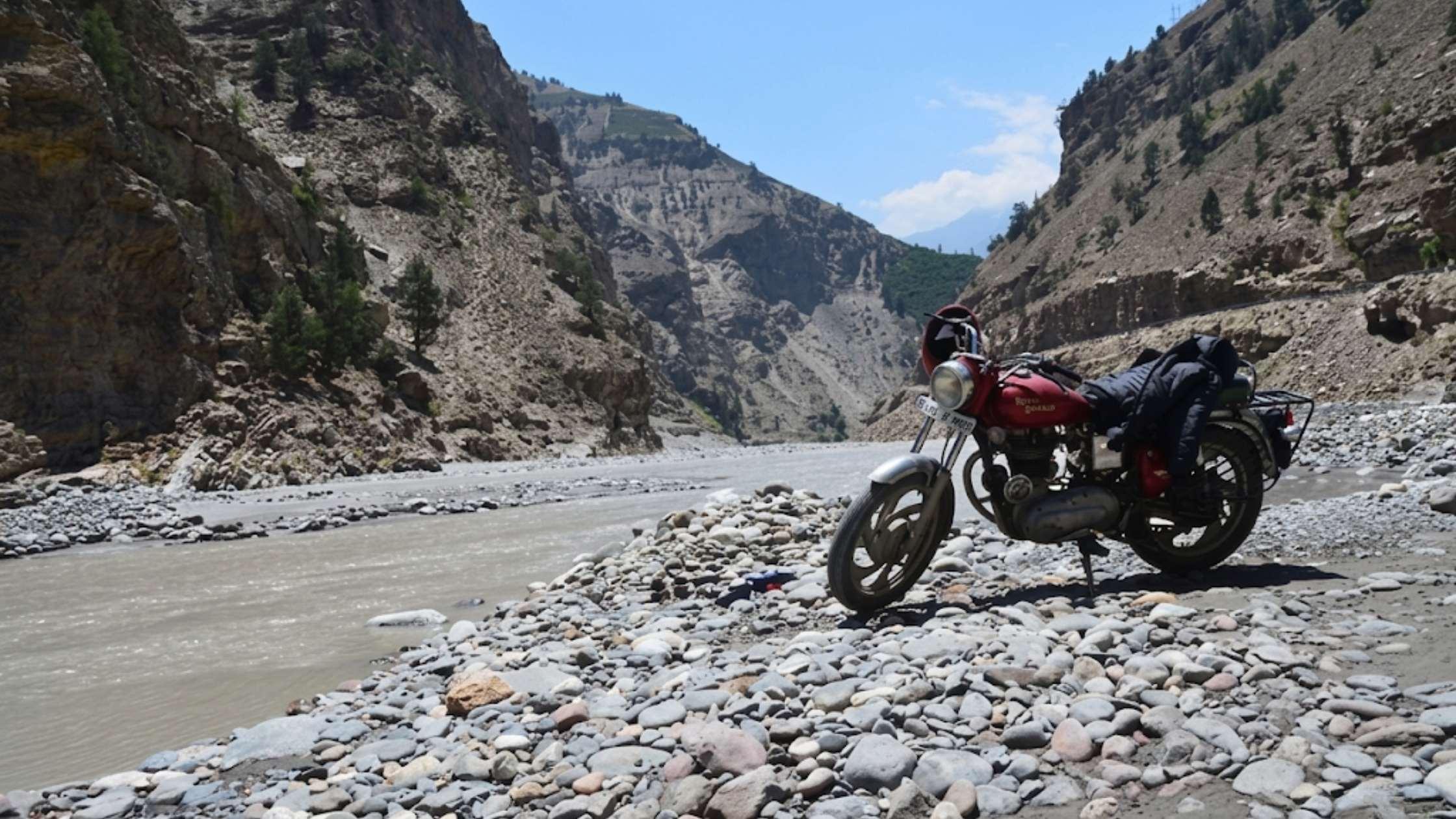
A Spiti Bike Trip From Chandigarh is a great choice for riders who want to explore Spiti in a proper and safe way. This route is longer than the short Manali side trip, but it is better for many first time riders because the altitude increases slowly.
Instead of going directly from Manali to high altitude areas, this trip usually moves from Chandigarh to Narkanda, Sangla, Kalpa, Tabo and Kaza. After that, the route goes towards Chandratal, Manali and then back to Chandigarh. This makes the journey feel more natural and better planned.
For first time riders, this route gives time to adjust to mountain roads, changing weather and high altitude. You do not feel rushed from the first day itself. The ride gives you forests, valleys, rivers, old villages, monasteries, cold desert views, high passes and rough adventure roads in one journey.
If you are planning your first Spiti bike ride, this guide will help you understand the best route, itinerary, cost, road conditions, packing list and rider tips in simple words.
Why Chandigarh Is a Good Starting Point for First Time Riders
The Chandigarh route is one of the best options for riders who want a complete Spiti circuit. It gives you a smoother start before the route becomes more remote and adventurous.
When you start from Chandigarh, the ride begins from a more connected city. You get time to settle into the bike, understand the group riding pattern and slowly move towards higher mountain areas. This is useful for first time riders because the trip does not throw you directly into the toughest road sections.
A Spiti Bike Trip From Chandigarh is also better for acclimatisation. The route usually climbs step by step through Narkanda, Sangla, Kalpa and Tabo before reaching Kaza. This helps your body adjust slowly to the altitude.
This route is good for first time riders because:
• The ride starts with more manageable roads before entering rougher Spiti sections.
• The altitude gain is gradual, which is better than a sudden climb to high altitude areas.
• You get more riding days, so the trip feels like a full journey and not a rushed plan.
• The route covers Kinnaur, Pin Valley, Kaza, Chandratal and Manali in one circuit.
• A guided group ride gives support through road captain, backup vehicle and mechanic assistance.
• First time Himalayan riders get enough time to understand mountain riding before the difficult stretches begin.
This route is not a lazy holiday, but it is a smart choice if you want to do Spiti properly.
Best Route for Spiti Bike Trip From Chandigarh
The best route for first time riders usually starts from Chandigarh and moves through Shimla side before entering Kinnaur and Spiti. This route is longer, but it gives a better build up to the trip.
The common route looks like this:
• Delhi to Chandigarh by overnight Volvo, so you can reach early and start the bike ride the next day.
• Chandigarh to Narkanda, which is the first riding day and helps you get used to mountain roads.
• Narkanda to Sangla, where you enter the beautiful Baspa Valley.
• Sangla to Chitkul and Kalpa, which gives you village views, river views and Kinnaur landscapes.
• Kalpa to Tabo through Nako and Gue, where the route starts feeling more like Spiti.
• Tabo to Kaza through Dhankar, Pin Valley and Mud Village, which adds a peaceful and offbeat side to the trip.
• Kaza sightseeing around Key Monastery, Chicham Bridge, Hikkim, Komic and Langza.
• Kaza to Chandratal through Kunzum Pass, which is one of the most beautiful and adventurous parts of the route.
• Chandratal to Manali through Batal, Gramphu, Sissu and Atal Tunnel.
• Manali to Chandigarh, where the bikes are dropped back.
A Spiti Bike Trip From Chandigarh feels complete because it covers both entry and exit sides of Spiti. You do not just ride to one place and return from the same road. You see the full change in landscape from lower hills to Kinnaur, then to Spiti, then to Lahaul and Manali.
Day Wise Itinerary for First Time Riders
Day 1: Delhi to Chandigarh
The trip usually starts with an overnight Volvo from Delhi to Chandigarh. There is no bike ride on this day. The main goal is to reach Chandigarh early in the morning.
Try to sleep well on the bus because the next day is a full riding day. Keep one fresh set of clothes, basic medicines and important documents easy to access.
Day 2: Chandigarh to Narkanda
This is the first bike riding day. Riders usually freshen up in Chandigarh, have breakfast, get their bikes and attend a short briefing.
The ride from Chandigarh to Narkanda is around 200 km and can take 6 to 7 hours. For first time riders, this day is important because it helps you settle into the bike and understand group riding.
You should not try to ride fast on the first day. Keep your pace steady, listen to the road captain and learn how the group moves together. Narkanda is a good first halt because it gives a proper mountain feel without being too high or too remote.
Day 3: Narkanda to Sangla
The ride from Narkanda to Sangla is around 160 km and can take 5 to 6 hours. This day takes you deeper into the hills and closer to Baspa Valley.
Sangla is a beautiful place with river views, valley scenery and peaceful surroundings. The road can have curves and narrow sections, so first time riders should stay calm and avoid sudden overtaking.
This day is a good lesson in mountain patience. The road may look easy in some parts, but you should still ride carefully.
Day 4: Sangla to Chitkul to Kalpa
This day usually covers Sangla, Chitkul and Kalpa. The distance is around 100 km and the ride can take 4 to 5 hours, depending on stops.
Chitkul is one of the most loved villages on this route. It is quiet, scenic and close to the Indo Tibet side. After visiting Chitkul, the ride continues towards Kalpa.
Kalpa is known for its views of the Kinner Kailash range. This day is useful for first time riders because it is not too long and helps with gradual altitude gain.
This day is good because:
• The distance is shorter compared to other riding days, so the body gets some rest.
• You get time to enjoy Chitkul without feeling too rushed.
• Kalpa gives a peaceful overnight stop before the route moves closer to Spiti.
• The gradual climb helps first time riders adjust better.
Day 5: Kalpa to Tabo via Nako and Gue
This is the day when the landscape starts changing clearly. The ride from Kalpa to Tabo is around 140 km and can take 5 to 6 hours.
The route usually goes through Nako and Gue. Nako is a quiet high altitude village, while Gue is known for its old monastery and mummy. As you move ahead, the green valleys slowly turn into dry mountains and open Spiti views.
Tabo is one of the most important cultural places in Spiti. The old monastery here gives a calm and peaceful feeling after the ride.
For first time riders, this day is special because you finally start feeling the real entry into Spiti.
Day 6: Tabo to Kaza via Dhankar, Pin Valley and Mud Village
This is one of the most beautiful days of the journey. The route usually covers Dhankar, Pin Valley and Mud Village before reaching Kaza.
The ride is around 120 km and can take 5 to 6 hours. Pin Valley is one of the best parts of this route because it feels quiet, wide and untouched. Mud Village gives you a simple view of Spiti village life.
This day is not only about riding. It is also about seeing places that many short Spiti trips miss. By evening, you reach Kaza, which is the main town of Spiti.
Kaza has basic markets, cafes, stays and fuel. After the quieter villages, it feels like a comfortable base.
Day 7: Kaza Sightseeing
This day is kept for local sightseeing around Kaza. You usually visit Key Monastery, Chicham Bridge, Hikkim, Komic and Langza.
This is an important day for first time riders because you do not need to carry heavy luggage for long distance travel. The ride is lighter and the focus is more on sightseeing.
Key Monastery is one of the most famous places in Spiti. Chicham Bridge is known for its height and valley view. Hikkim is famous for its high altitude post office. Komic is one of the highest villages in the region. Langza is known for its Buddha statue and open mountain views.
This day helps you enjoy Spiti slowly instead of just crossing places on the bike.
Day 8: Kaza to Chandratal via Kunzum Pass
The ride from Kaza to Chandratal is around 95 km and can take 5 to 6 hours. This is one of the most scenic days of the trip.
The route goes through Kunzum Pass, which connects Spiti with Lahaul. Kunzum is a high altitude pass, so the weather can change quickly. Ride slowly and stay with the group.
Chandratal is one of the biggest highlights of the trip. The lake is known for its blue water, open sky and peaceful surroundings. Camping near Chandratal feels very different from staying in a town.
However, Chandratal is at high altitude. Walk slowly, keep warm clothes handy, drink water and avoid alcohol. Do not run near the lake for photos because the body needs time to adjust.
Day 9: Chandratal to Manali
The ride from Chandratal to Manali is around 115 km and can take 5 to 6 hours or more depending on road conditions.
This route passes through Batal, Chhatru, Gramphu, Sissu and Atal Tunnel. This is one of the rougher parts of the journey. You may face stones, water crossings, broken patches and narrow roads.
First time riders should be extra careful on this day. Do not rush just because Manali feels closer. Ride slowly, follow the road captain and take guidance near water crossings.
After reaching Manali, many riders feel a big sense of relief. The hardest mountain sections are almost complete.
Day 10: Manali to Chandigarh
The ride from Manali to Chandigarh is around 280 km and can take 7 to 8 hours. This is the final long riding day.
The roads are more connected than Spiti, but the distance is long. Riders may feel tired by this stage, so it is important to stay alert.
After reaching Chandigarh, bikes are usually dropped back and travellers board the overnight Volvo to Delhi.
Day 11: Arrival in Delhi
The trip ends after reaching Delhi. By this time, you have completed a full Spiti circuit covering Chandigarh, Narkanda, Sangla, Chitkul, Kalpa, Tabo, Pin Valley, Kaza, Chandratal, Manali and Chandigarh return.
For a first time rider, this journey becomes a big memory because it covers many sides of the Himalayas in one ride.
Cost of Spiti Bike Trip From Chandigarh
The cost of a Spiti Bike Trip From Chandigarh depends on the bike option, room sharing, group size, season and inclusions.
A planned bike trip usually includes bike, fuel, stay, breakfast, dinner, road captain, backup vehicle, mechanic support, permits and first aid support. This is helpful for first time riders because they do not need to manage every small thing on their own.
The cost can change based on:
• Whether you choose Himalayan 411cc or Himalayan 450cc.
• Whether you ride solo or with a pillion.
• Whether you bring your own bike or use the package bike.
• Whether you choose double sharing or triple sharing rooms.
• Whether you start from Delhi or join directly from Chandigarh.
• Which travel month and batch size you select.
You should also keep extra money for personal expenses.
Extra costs can include:
• Lunch during the trip.
• Tea, snacks and bottled water.
• Personal shopping.
• Monastery donations or entry tickets.
• Travel insurance.
• Bike security deposit if required.
• Spare parts or repair cost due to rider damage.
• Extra cost due to weather delay, landslide or road closure.
It is better to carry enough cash because ATMs and online payments may not work properly in remote areas.
Best Time for Spiti Bike Trip From Chandigarh
The best time for a Spiti Bike Trip From Chandigarh is usually from June to September. This is when the full circuit through Kinnaur, Kaza, Kunzum Pass, Chandratal and Manali is more likely to stay open.
June is good for riders who want early season views and some snow near higher areas. The roads may feel raw in some parts, but the experience can be exciting.
July and August are popular months, but rain can affect the approach roads. Spiti is drier than many hill areas, but roads through Himachal can still face rain, landslides and delays.
September is one of the best months for first time riders. The weather is usually clearer, road conditions are often better and views are beautiful.
October can be cold and uncertain for Chandratal and high passes. First time riders should avoid taking unnecessary risk late in the season unless local road status is clear.
Road Conditions on This Route
The Chandigarh to Spiti route has many types of roads. That is why it is a good learning route for first time Himalayan riders.
Chandigarh to Narkanda is mostly a proper hill road with curves and traffic. It helps riders get used to mountain riding.
Narkanda to Sangla and Kalpa has narrow sections, valley roads and scenic views. Riders should stay careful on curves and avoid overtaking in blind spots.
Kalpa to Tabo starts feeling more remote. The landscape changes and the roads may have broken patches or loose stones.
Tabo to Kaza through Pin Valley gives a mix of village roads, valley roads and quiet stretches. It is beautiful, but riders should stay with the group.
Kaza to Chandratal through Kunzum Pass is a high altitude route. Weather can change quickly, and the road can be rough.
Chandratal to Manali through Batal, Chhatru and Gramphu is one of the roughest sections. Riders may face water crossings, stones and narrow patches.
Manali to Chandigarh is more connected, but it is a long ride. Tiredness can become a problem, so riders should stay focused.
Why This Route Is Better for First Time Riders
A Spiti Bike Trip From Chandigarh is better for many first time riders because it does not rush the altitude. You slowly move from Chandigarh to Narkanda, Sangla, Kalpa, Tabo and then Kaza. This gives your body time to adjust.
The route also gives enough days to learn mountain riding. You start with easier roads and then slowly reach tougher sections. By the time you reach Chandratal and the Batal side, you already have many riding days behind you.
This route is better because:
• It gives gradual altitude gain, which is safer and more comfortable.
• It includes Kinnaur and Spiti, so the journey feels more complete.
• It gives time to settle into the bike before rough roads begin.
• It includes Pin Valley and Tabo, which many shorter trips miss.
• It has a good mix of riding, sightseeing and rest points.
• It allows first time riders to gain confidence day by day.
If you are new to Himalayan bike trips, this route feels more balanced than directly entering from Manali side.
Packing Tips for First Time Riders
Packing should be simple, light and useful. Do not carry a hard trolley bag because it is difficult to manage on bike trips. Use a rucksack or duffle bag.
Important things to carry include:
• A good helmet, riding jacket, gloves, knee guards and strong shoes because safety is more important than style on mountain roads.
• Thermal wear, warm jacket, waterproof layer, woollen socks and warm gloves because Spiti and Chandratal can become very cold.
• Comfortable riding clothes that protect you from wind, dust and changing weather.
• Sunscreen, sunglasses and lip balm because high altitude sun can be harsh.
• Personal medicines, ORS, headache medicine and basic first aid items.
• Power bank, torch, dry snacks and water bottle because charging points and food stops may be limited.
• Cash, ID proof and saved emergency contacts.
• Offline maps because mobile network can disappear in remote areas.
Pack only what you need. Heavy luggage becomes a daily problem on long bike trips.
Important Rider Tips
First time riders should remember that Spiti is not about speed. It is about patience, control and safe riding.
Keep these tips in mind:
• Start early on riding days because mountain delays are common.
• Do not ride too close to the bike ahead because sudden braking on gravel can be risky.
• Keep your speed steady on rough patches instead of sudden acceleration.
• Drink water regularly because high altitude can cause headache and tiredness.
• Avoid alcohol during high altitude days, especially before Kaza and Chandratal.
• Inform the trip captain if you feel headache, nausea, dizziness or breathing discomfort.
• Keep warm clothes handy because weather can change quickly.
• Do not depend fully on online maps because local road conditions can change.
• Respect monasteries, villages and local people.
• Do not litter on roads, near Chandratal or in Spiti villages.
The best rider is not the one who rides the fastest. The best rider is the one who rides safely and reaches every stop with the group.
Final Thoughts
A Spiti Bike Trip From Chandigarh is one of the best routes for first time riders who want a complete Spiti experience. It gives a gradual climb, better acclimatisation, more riding practice and a full circuit through Kinnaur, Spiti, Chandratal, Manali and Chandigarh.
The journey is long, but that is what makes it special. You see the landscape change slowly. You ride through forests, valleys, villages, dry mountains, high passes and rough roads. You also get time to understand Spiti instead of rushing through it.
If you want your first Spiti bike ride to feel complete, safe and memorable, the Chandigarh route is a very good choice.
FAQs
Is a Spiti Bike Trip From Chandigarh good for first time riders?
Yes, it is a good choice for first time Himalayan riders because the altitude increases slowly. The route goes through Narkanda, Sangla, Kalpa and Tabo before reaching Kaza, which gives the body more time to adjust.
How many days are needed for this trip?
An 11 day plan is ideal for this route. It gives enough time to cover Chandigarh, Narkanda, Sangla, Chitkul, Kalpa, Tabo, Pin Valley, Kaza, Chandratal, Manali and Chandigarh return without rushing too much.
What is the best time for this bike trip?
June to September is usually the best time. September is often preferred by many riders because the weather is clearer and road conditions are usually better. Chandratal and Kunzum Pass depend on local road status.
Is the Chandigarh to Spiti route difficult?
The route is moderate to difficult. It starts with manageable hill roads and slowly moves into rougher terrain. The toughest sections are usually around Kunzum Pass, Chandratal, Batal, Chhatru and Gramphu.
Can beginners ride solo on this route?
Complete beginners should not ride solo on this route. First time Spiti riders can join if they are confident on a bike and travel with a guided group. Non riders can check pillion or backup vehicle options.
Which bike is best for this route?
Royal Enfield Himalayan 411cc and 450cc are popular options because they handle rough roads better than many regular bikes. The bike should have good tyres, strong brakes and proper luggage setup.
Is Chandratal included in this route?
Yes, Chandratal is usually included when the road is open and weather conditions are safe. Since Chandratal is at high altitude, access depends on Kunzum Pass, snow clearance and local road updates.
What should first time riders pack?
First time riders should carry proper riding gear, warm clothes, rain layer, personal medicines, power bank, cash, ID proof, sunscreen, sunglasses, lip balm, dry snacks and a water bottle.
Is mobile network available on this route?
Mobile network becomes weak after Kinnaur and is not reliable in many parts of Spiti. Riders should download offline maps, carry cash and inform family before entering low network areas.
Is this route better than the Manali route?
For first time riders, the Chandigarh route is often better because it gives gradual altitude gain and a complete circuit. The Manali route is shorter, but altitude rises faster and the rough sections come earlier.
Catégories
Lire la suite
Introduction Achieving high rankings on Google is one of the most effective ways to increase online visibility and attract potential customers. With millions of websites competing for attention, businesses must adopt strategic approaches to stand out in search results. A professional company in Dubai can help organizations improve their rankings through a combination of technical...

Trees add beauty, shade, and environmental value to residential and commercial properties. However, there are situations when trees become hazardous due to age, disease, storm damage, or uncontrolled growth. In such cases, professional tree care becomes essential to maintain safety and protect surrounding structures. Finding reliable Tree Cutting Services Hyderabad is important for property...

Quick answer: A cruise travel agency in Tampa, FL helps travelers match the right ship, cabin, and itinerary to their needs while securing perks like onboard credit that direct bookings often miss. Local agents also know Port Tampa Bay's terminals, logistics, and Caribbean sailings, making the planning process smoother and less stressful. Planning a cruise sounds simple until the choices start...

Achieving balanced, youthful facial features requires advanced techniques, premium products, and experienced professionals. Choosing the Best Plastic Surgeon in dubai ensures that every treatment is customized to complement your natural facial proportions. At Perfect Doctors Clinic, patients receive personalized care using modern Dermal Fillers in Dubai techniques designed to restore volume,...

In today’s evolving fashion world, Celebrity Cotton Coats have emerged as one of the most refined and versatile outerwear categories, blending comfort, elegance, and pop culture influence into a single style identity. Unlike heavy winter coats or overly structured formal wear, cotton coats inspired by celebrities represent a softer, more breathable, and more wearable version of...

