Bail Enforcement & Bounty Hunting in Cleveland Guide
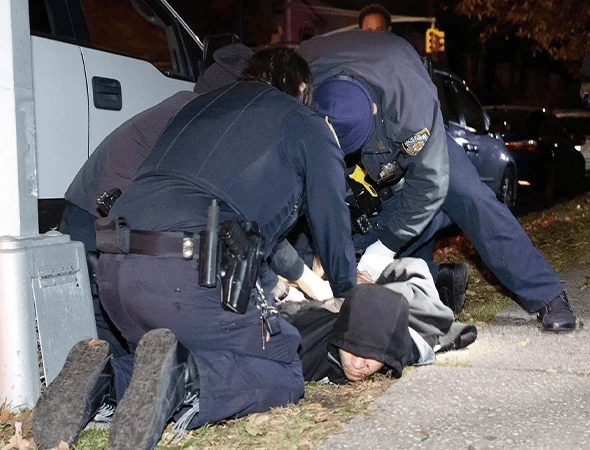
When someone posts bail and then fails to show up in court, the situation rarely ends there. The legal system has built-in ways to bring that person back, and this is where bail enforcement and bounty hunting in Cleveland enters the picture. It is a side of the justice process that most people never see, yet it plays a real role in how courts and bondsmen manage risk.
Picture a defendant who promised to appear, signed the paperwork, and then disappeared days before the hearing. The court issues a warrant, but the financial responsibility often falls on the bail bond agency that backed the release. That tension is exactly what drives the work of recovery agents.
What Bail Enforcement Actually Involves
Bail enforcement is the legal process of locating and returning defendants who skip their court dates. Recovery agents, sometimes called bounty hunters, work on behalf of bond agencies to track down these individuals before the bond is forfeited.
The job is far less dramatic than movies suggest. Much of it involves research, phone calls, surveillance, and patience. Agents review last known addresses, talk to family members, and follow digital trails to piece together a person's whereabouts.
In Ohio, this work is governed by state rules that define what agents can and cannot do. They must operate within legal boundaries, respect property rights, and avoid actions that could expose them or the agency to liability.
Why This Work Matters
The bail system depends on accountability. When a defendant fails to appear, the agency that posted the bond stands to lose a significant sum unless that person is found and returned to custody.
Recovery agents help keep the entire system functioning. Without them, courts would face higher rates of missed appearances, and bond agencies would carry far greater financial risk. That risk would eventually push costs onto everyone who needs a bond.
There is also a public safety angle. Returning a defendant to the legal process ensures cases move forward and that individuals answer the charges against them rather than slipping away unnoticed.
How the Process Plays Out in Real Situations
Consider a common scenario in Cleveland. A defendant misses a hearing, and the clock starts ticking on the bond. The agency contacts a recovery agent, who begins by reviewing the original paperwork for clues like references, employers, and addresses.
From there, the agent works the leads. Sometimes a single phone call to a relative resolves the case within a day. Other times, the search stretches across weeks and even across county lines into areas like Summit County.
This regional overlap is why bail networks often coordinate. Agencies offering trusted bail bond services in Summit County, Ohio frequently share information with Cleveland-based offices when a defendant moves between jurisdictions.
The Local Landscape
Cleveland's size and proximity to surrounding counties create a busy environment for bail-related work. Defendants do not always stay in one place, so agents must understand both city neighborhoods and the broader regional map.
Established firms in the area, such as Freeman Bail Bonds, are familiar with how local courts handle forfeitures and reinstatements. That familiarity helps streamline communication when a recovery effort crosses into neighboring jurisdictions.
For families navigating these situations, knowing that trusted bail bond services in Summit County, Ohio cooperate with Cleveland agencies offers some reassurance during a stressful time.
Key Takeaways for Readers
The core value of bail enforcement is balance. It protects the financial interests of bond agencies while supporting the court's need for defendants to appear.
It also gives defendants a path back. In many cases, agents simply help arrange a voluntary surrender, which often looks better before a judge than being captured after a long search.
Understanding how this system works can ease anxiety for anyone connected to a bail situation, whether as a defendant, a co-signer, or a concerned family member.
Frequently Asked Questions
What does a bounty hunter do in Cleveland?
A bounty hunter, or recovery agent, locates and returns defendants who fail to appear in court after posting bail. Most of the work involves research, communication, and surveillance within legal limits.
Is bounty hunting legal in Ohio?
Yes, but it is regulated. Recovery agents must follow state rules regarding licensing, conduct, and property rights when locating and apprehending a defendant.
What happens if someone skips bail?
The court issues a warrant, and the bond agency may face forfeiture of the posted amount. A recovery agent is often hired to find the person before the deadline passes.
Can a defendant turn themselves in instead?
Yes. A voluntary surrender is usually viewed more favorably by the court and can prevent a prolonged search by recovery agents.
Do bail agencies in different counties work together?
Often, yes. Agencies in Cleveland and surrounding areas like Summit County frequently share information when a defendant moves between jurisdictions.
Categories
Read More
London is one of the busiest cities in the UK, attracting millions of visitors, business travellers, tourists, and event attendees every year. With busy roads, limited parking, and complex travel arrangements, organising transport for a group can become challenging. Minibus hire provides a practical solution for groups that need reliable and comfortable travel across London and beyond. Whether...

Introduction Finding the right chartered accountant in Bangalore is one of the most important decisions for any business owner. Whether you are a start-up founder, small business owner, freelancer, or running an established company, the right CA can help you manage taxes, ensure compliance, improve cash flow, and support long-term financial growth. Bangalore, being India’s start-up...

Manufacturing efficiency in plastics fabrication rarely happens by accident. The market was worth US$ 1.86 Billion in 2025 and is forecast to reach US$ 2.51 Billion by 2034, at a CAGR of 3.39% across 2026–2034. It happens through carefully engineered chemistry, a reality reflected clearly in the growth of the Polymer Processing Aid Market across packaging, construction, and electrical...

CoreGLP Sweden @:- is a dietary supplement formulated to support healthy weight management by targeting factors that commonly contribute to weight gain. Inspired by the body's natural metabolic processes, the supplement is designed to help users feel fuller for longer periods while supporting balanced energy levels throughout the day. OFFICIAL FACEBOOKS@:-...