


Beyond Ride-Hailing: How AI Is Redefining the Future of Shared Mobility
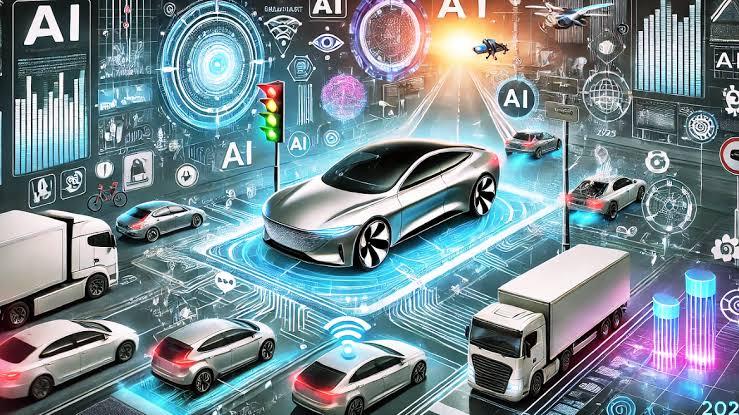
Urban transportation is entering a new era where convenience, sustainability, and intelligent automation converge. Shared mobility services—including ride-hailing platforms, car-sharing programs, bike rentals, scooter fleets, and multimodal transportation applications—are becoming an essential part of modern cities. Behind this evolution stands artificial intelligence, enabling providers to optimize operations, enhance customer experiences, and make transportation networks more efficient than ever before.
As mobility companies compete to deliver faster, safer, and more personalized services, AI has become more than an innovative technology—it has become a strategic advantage capable of transforming every aspect of shared transportation.
How Artificial Intelligence Is Reshaping Shared Mobility
Smarter decision-making in real time
Shared mobility platforms generate enormous volumes of data every second. Vehicle locations, traffic conditions, weather forecasts, customer demand, and driver availability all influence operational decisions.
Artificial intelligence processes these variables in real time, allowing companies to make rapid adjustments that improve service quality. Instead of relying on static schedules or manual planning, AI continuously adapts transportation networks to changing conditions.
Businesses exploring the latest developments in intelligent transportation can gain valuable insights from https://www.avenga.com/magazine/mobility-industry-trends-and-insights/, which highlights emerging technologies shaping the future of mobility.
Improving customer satisfaction
Consumers expect transportation services to be available immediately, with minimal waiting times and predictable arrival estimates. AI helps meet these expectations by matching riders with nearby vehicles, calculating optimal pickup locations, and recommending the fastest available routes.
Machine learning models also analyze customer preferences, enabling platforms to personalize recommendations, suggest preferred transportation options, and improve the overall user experience.
Intelligent Fleet Management
Predictive maintenance
Vehicle downtime directly affects profitability and customer satisfaction. AI-powered predictive maintenance systems monitor engine performance, battery health, tire wear, and other critical components using data collected from onboard sensors.
Instead of reacting to mechanical failures after they occur, operators can schedule maintenance proactively, reducing repair costs while increasing fleet availability.
Dynamic fleet allocation
Demand for shared transportation changes constantly throughout the day. Rush hours, sporting events, concerts, weather conditions, and seasonal trends all influence vehicle utilization.
Artificial intelligence predicts these fluctuations and automatically positions vehicles where demand is expected to increase. This reduces idle time while ensuring customers have access to transportation when they need it most.
Energy optimization for electric fleets
As electric vehicles become increasingly common in shared mobility, AI plays an important role in battery management and charging optimization.
Smart algorithms identify the best charging schedules, recommend efficient routes based on battery levels, and minimize downtime by coordinating charging activities across the fleet.
Safer Transportation Through AI
Advanced driver assistance
Artificial intelligence supports drivers by identifying potential hazards, monitoring road conditions, and providing real-time navigation recommendations.
These technologies reduce human error while improving passenger safety during every trip.
Fraud detection and security
Shared mobility platforms process thousands of transactions every minute. AI helps detect suspicious payment activity, prevent fraudulent accounts, and identify unusual behavioral patterns before they become significant problems.
Automated security systems also help protect customer data while strengthening trust in digital mobility platforms.
Risk prediction
Machine learning analyzes accident history, traffic congestion, road conditions, and environmental factors to predict higher-risk areas.
Mobility providers can use these insights to improve routing strategies, enhance driver awareness, and reduce operational risks across their networks.
AI-Powered Pricing Strategies
Dynamic pricing models
Static pricing rarely reflects real-world transportation demand. Artificial intelligence continuously evaluates dozens of variables, including traffic density, available vehicles, weather conditions, local events, and historical booking patterns.
This enables platforms to apply dynamic pricing that balances customer demand with vehicle availability while maintaining operational efficiency.
Personalized promotions
AI also allows mobility providers to create individualized marketing campaigns. Instead of offering generic discounts, companies can deliver targeted promotions based on travel history, preferred destinations, and user behavior.
This personalized approach increases customer retention while improving marketing performance.
Supporting Sustainable Urban Mobility
Reducing congestion
Artificial intelligence helps distribute vehicles more efficiently throughout urban environments, minimizing unnecessary driving and reducing traffic congestion.
Optimized routing decreases travel times while lowering fuel consumption and vehicle emissions.
Encouraging multimodal transportation
Modern mobility platforms increasingly combine ride-sharing, public transportation, bicycles, scooters, and walking routes into unified digital experiences.
AI recommends the most efficient combination of transportation methods based on cost, travel time, environmental impact, and user preferences, helping cities become more sustainable.
Cloud and AI: A Powerful Combination
Artificial intelligence delivers its greatest value when combined with cloud-native infrastructure. Cloud platforms provide the scalability required to process millions of real-time events, store large datasets, and support advanced analytics across geographically distributed transportation networks.
Cloud-based architectures also simplify software updates, accelerate innovation, and enable continuous deployment of new AI capabilities without disrupting daily operations.
For organizations expanding internationally, cloud infrastructure provides the flexibility needed to support growing customer bases while maintaining high service availability.
Choosing the Right Technology Partner
Building AI-powered mobility solutions requires expertise that extends far beyond software development. Companies must integrate cloud technologies, machine learning, data engineering, cybersecurity, connected vehicle systems, and intelligent automation into a single, scalable ecosystem.
An experienced engineering partner can significantly accelerate this transformation.
Avenga helps organizations develop intelligent digital platforms that combine artificial intelligence, cloud engineering, and modern software solutions to solve complex business challenges. With extensive experience in mobility, transportation, enterprise technology, and digital transformation, the company supports businesses in creating scalable products, modernizing legacy systems, and delivering innovative customer experiences powered by data and AI.
Organizations working with experienced technology specialists are better positioned to introduce new mobility services, optimize fleet operations, and respond quickly to changing market demands.
The Next Stage of Intelligent Mobility
Shared mobility is evolving from a convenient transportation option into an intelligent digital ecosystem driven by continuous innovation. Artificial intelligence enables operators to predict demand, improve safety, automate operations, optimize resources, and deliver highly personalized customer experiences.
As cities continue investing in connected infrastructure and sustainable transportation, AI will remain one of the primary technologies shaping the future of mobility. Companies that embrace intelligent platforms today are laying the foundation for transportation services that are more efficient, resilient, and adaptable to tomorrow's urban challenges.
Κατηγορίες
Διαβάζω περισσότερα
In today's connected world, people often work, study, and celebrate across different locations. Whether it's a workplace milestone, a birthday celebration, a retirement party, or a team achievement, bringing everyone together to share their wishes can be challenging. Fortunately, ecards for groups have transformed the way people celebrate special occasions, making it easy for multiple...

In today's world, maintaining a clean and germ-free environment is more important than ever. Whether at home, in the office, healthcare facilities, schools, hotels, or commercial spaces, harmful bacteria, viruses, and airborne contaminants can spread quickly through surfaces and indoor air. This is where the Clairlite UV Sanitizer stands out as a reliable, modern, and highly effective...

Achieving a lush, vibrant green lawn shouldn't be a stressful guessing game of waiting months for weak grass seed to grow. Property owners often struggle with patchy dirt sections, invasive weeds, or old, dead grass that ruins their home's curb appeal and lowers real estate value. Choosing the best sod installation services near me is the fastest, most reliable way to completely overhaul your...

For individuals seeking more dramatic body transformations, surgical body contouring procedures may be considered. These procedures are usually performed by qualified cosmetic surgeons and may include techniques such as liposuction, tummy tuck surgery, or combined body contouring procedures. Surgical options can help remove excess fat or skin and create more defined body contours. Clinics...

