


Finding Relief: Relaxation Therapy in Plainfield, IL
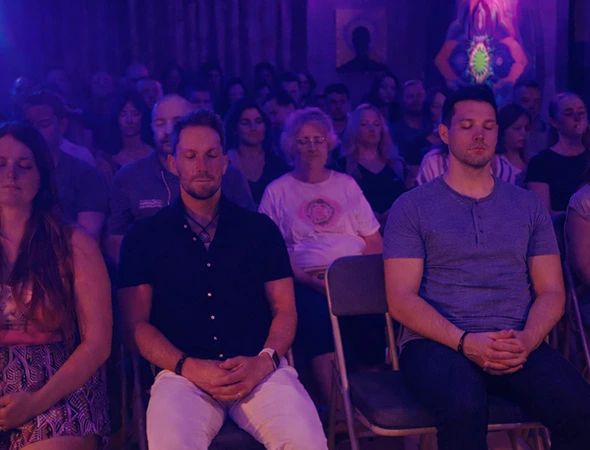
The alarm goes off, and the day is already running. Back-to-back meetings, a packed inbox, errands that never seem to end. By evening, the body feels tense and the mind won't quiet down. For many people, that low hum of stress has become the baseline rather than the exception.
The numbers back this up. According to Statista's 2024 data, around 30% of U.S. employees report high or very high levels of burnout, with another 38% landing in the moderate range. That kind of chronic pressure takes a toll on sleep, mood, relationships, and physical health.
This is where Relief & Relaxation Therapy in Plainfield, IL has been gaining attention. As more residents look for ways to manage stress without relying solely on medication, holistic and relaxation-based approaches have become a meaningful part of the local wellness conversation.
This article looks at what relaxation therapy actually involves, the benefits it offers, and how it connects to related practices like inner child healing. The goal is simple: to help readers understand their options and decide what might fit their own lives.
What Is Relief and Relaxation Therapy?
Relaxation therapy is a broad term for a set of practices designed to lower the body's stress response and calm the mind. It isn't about escaping responsibilities or sitting still for an hour. It's a learned skill that helps people shift out of "fight or flight" and into a more settled state.
According to the Mayo Clinic, relaxation techniques work by activating the body's natural relaxation response. This counters the physical effects of stress, which is why these methods are often recommended alongside conventional care for conditions like heart disease and chronic pain.
There's no single way to practice it. Relaxation therapy covers a wide range of approaches, and different methods suit different people. Some of the most common include:
-
Deep breathing and breathwork, which slow the heart rate and steady the nervous system
-
Progressive muscle relaxation, where a person tenses and releases each muscle group in turn
-
Guided visualization, using mental imagery to "travel" to a calm, peaceful setting
-
Meditation and mindfulness, which build awareness of thoughts and feelings without judgment
-
Massage and bodywork, which ease physical tension stored in the body
-
Aromatherapy, music, and art therapy, which engage the senses to encourage calm
Movement-based practices like yoga and tai chi also fall under this umbrella, blending gentle physical activity with focused breathing. The shared thread across all of them is intentional focus and body awareness. People exploring Relief & Relaxation Therapy in Plainfield, IL often try a few approaches before settling on what feels most natural for them.
The Benefits Go Deeper Than a Calmer Mood
The most obvious benefit of relaxation therapy is feeling calmer. But the effects reach much further than that, touching the body, mind, and emotions in ways that build over time.
Physically, the changes are measurable. The Mayo Clinic notes that relaxation techniques can slow the heart rate, lower blood pressure, ease muscle tension, and reduce the activity of stress hormones. They can also improve digestion, support better blood sugar control, and increase blood flow to major muscles. For people who carry stress in their shoulders, jaw, or stomach, that physical release can be a genuine relief.
The mental and emotional benefits are just as significant. Regular practice tends to improve focus, lift mood, and sharpen the ability to handle problems with a clearer head. Sleep often improves too, which creates a positive cycle since rest is one of the body's most powerful recovery tools.
There's also an emotional steadiness that develops with practice. People frequently report feeling less reactive, less quick to anger, and more capable of pausing before responding to whatever life throws at them. Over time, relaxation therapy can quietly rebuild a sense of confidence in one's own ability to cope.
It's worth being honest about the learning curve. Relaxation is a skill, not a switch. The first few sessions may feel awkward, and the benefits grow with consistency rather than appearing overnight. Patience is part of the process.
What This Looks Like in Everyday Life
Consider a few familiar situations. A nurse working long shifts struggles to wind down after a hard day and lies awake replaying everything. A parent juggling work and a busy household feels stretched thin and short-tempered. A college student in the Plainfield, IL area faces mounting anxiety as deadlines pile up.
In each case, relaxation therapy offers a practical tool rather than a quick fix. The nurse might use a short breathing routine before bed. The parent might book regular bodywork sessions to release built-up tension. The student might lean on guided meditation to manage test-day nerves.
These scenarios reflect why holistic wellness has steadily grown across Plainfield, IL and the surrounding communities. Local practitioners offer everything from energy work and meditation to bodywork and intuitive guidance. Crystal Guiding Light INC is one example of a practice operating within this broader holistic landscape in the area.
What draws many people in is the personalized nature of the work. Rather than a one-size-fits-all plan, holistic practitioners often tailor sessions to the individual, blending relaxation techniques with other supportive methods based on what each person needs.
When Relaxation Therapy Meets Inner Child Healing
For some people, stress and tension run deeper than a busy schedule. Patterns of anxiety, self-criticism, or difficulty in relationships often trace back to experiences from early life. This is where relaxation therapy frequently overlaps with a related practice known as inner child work.
The concept of the inner child originated with psychologist Carl Jung. In simple terms, it refers to the part of us that still carries the emotions and experiences of childhood. When needs for love, safety, or recognition went unmet early on, those wounds can resurface in adulthood as stress, self-sabotage, or emotional numbness.
Inner Child Healing in Naperville, IL has become part of the regional holistic scene for exactly this reason. The work uses gentle, reflective methods such as journaling, dialogue, visualization, and meditation to reconnect with that younger self and address old emotional patterns. Many of these tools overlap directly with relaxation therapy, which makes the two approaches natural companions.
The reported benefits of this work are notable. According to Healthline, addressing the inner child can help people build self-compassion, express emotions in healthier ways, set better boundaries, and rediscover a sense of play and confidence. For someone whose stress is rooted in the past, combining relaxation therapy with Inner Child Healing in Naperville, IL can offer a more complete path forward than either approach alone.
It's important to note that deeper emotional work can stir up difficult feelings. Anyone with a history of trauma is generally encouraged to work with a qualified professional who can provide a safe, supportive space for the process.
How to Choose the Right Approach
Relaxation therapy isn't a cure-all, and it works best as part of a balanced approach to well-being that includes good sleep, movement, healthy eating, and supportive relationships. Still, for people feeling worn down by chronic stress, it offers an accessible, low-risk starting point.
Anyone considering Relief & Relaxation Therapy in Plainfield, IL would do well to start small. Trying a single technique, like a few minutes of deep breathing each morning, can reveal whether a practice resonates before committing to more.
When looking for a practitioner, it helps to ask about their training, their methods, and how they personalize sessions. A good fit matters as much as the specific technique, especially for emotionally focused work like inner child healing. Reading reviews and having an initial conversation can go a long way toward finding the right match.
Stress may be common, but it doesn't have to be the default setting. With the right tools and a little patience, real relief is within reach.
Frequently Asked Questions
What is relaxation therapy used for?
Relaxation therapy is used to lower stress and ease its effects on the body and mind. It can help with anxiety, poor sleep, muscle tension, high blood pressure, and chronic pain, and is often used alongside conventional medical care.
How is relaxation therapy different from inner child healing?
Relaxation therapy focuses on calming the nervous system in the present moment, while inner child healing explores emotional patterns rooted in childhood. The two often overlap, since both can use tools like meditation, visualization, and journaling.
Is inner child healing backed by psychology?
Yes. The inner child concept originated with psychologist Carl Jung, and many therapists use forms of inner child work today. It's commonly associated with addressing anxiety, low self-esteem, and unresolved childhood experiences.
How long does it take to see results from relaxation therapy?
Relaxation is a learned skill, so results build with practice rather than appearing instantly. Some people feel calmer after a single session, while lasting benefits like better sleep and steadier mood tend to develop over weeks of consistent practice.
Is relaxation therapy safe for everyone?
For most people, relaxation techniques are low-risk and free of side effects. However, those with a history of trauma may experience emotional discomfort during certain practices and should consider working with a qualified professional.
الأقسام
إقرأ المزيد
In the fast-moving digital entertainment landscape of 2025, users are constantly looking for platforms that offer quick access, seamless registration, and reliable user experiences. One of the names that continues to attract attention among online users is DiamondExch. Whether someone is exploring digital gaming platforms for the first time or is already familiar with online exchange services,...

Best Online Cricket ID: A Complete Guide for Cricket Enthusiasts The popularity of online cricket platforms has increased significantly in recent years. Finding the Best Online Cricket ID is essential for users looking for a smooth and convenient cricket experience. A reliable platform provides easy access, user-friendly features, and quality services for cricket enthusiasts. What is the Best...

Artificial Intelligence is changing the way businesses and individuals work. From answering customer queries to automating repetitive tasks and analyzing complex data, AI agents are helping organizations improve productivity and make smarter decisions. If you're planning to create an AI agent, understanding the right process, tools, and best practices is essential for building a reliable and...

Why Workplace Safety Skills Matter More Than Ever Workplace safety has become an important part of every industry. Companies want employees who understand how to work safely, reduce risks, and help create a healthy working environment. Learning safety principles is valuable not only for organizations but also for individuals who want to improve their knowledge and confidence. A NEBOSH Course...
In today’s fast-moving lifestyle, many people feel drained, mentally overloaded, and physically fatigued due to constant pressure, irregular routines, and environmental stressors. The need for natural energy restoration has become more important than ever, especially for individuals seeking a deeper sense of balance and inner clarity. Holistic wellness approaches are gaining attention as...

