How Much Should You Spend on a Diamond Engagement Ring?
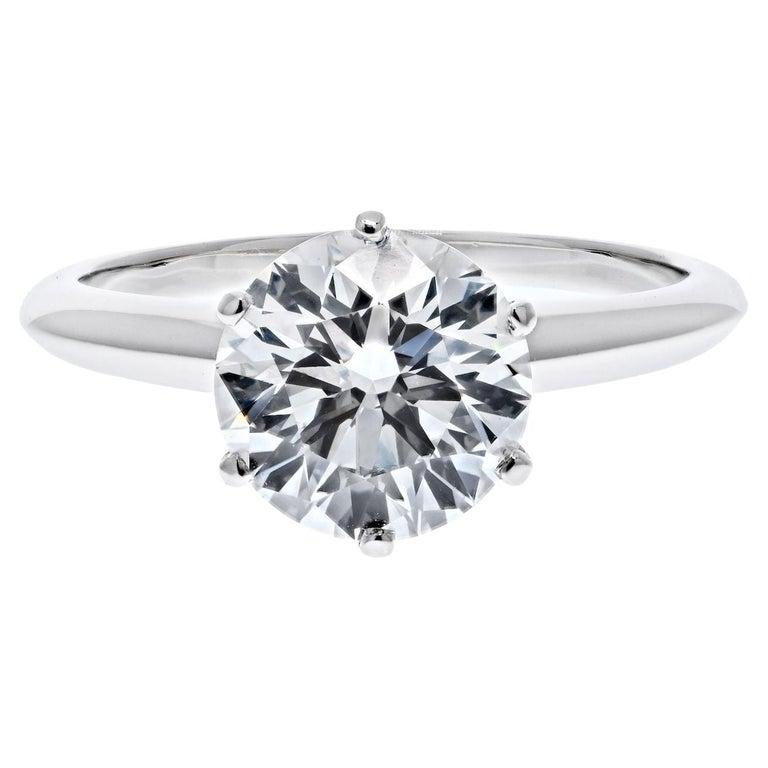
Choosing a budget for an engagement ring is one of the most emotionally and financially significant decisions many couples make. The tradition of proposing with a ring has evolved over time, but the question remains the same: how much should you actually spend on a diamond engagement ring?
There is no single correct answer. The right amount depends on personal finances, expectations, lifestyle, and long-term goals. Despite outdated “rules” suggesting you should spend two or three months’ salary, modern financial experts agree that those guidelines are not necessary or realistic for most people.
This article breaks down how to think about budgeting wisely, what factors influence price, and how to choose a ring that feels meaningful without creating financial stress.
The Myth of the “Three Months’ Salary” Rule
For decades, marketing campaigns promoted the idea that an engagement ring should cost around two to three months of income. This concept was popularized in the 20th century and became widely accepted as tradition. However, it was never a financial guideline—it was a marketing strategy.
Today, financial planners strongly discourage following this rule blindly. Instead, they recommend focusing on affordability and financial health. A ring should not lead to debt that affects your ability to save, invest, or plan for major life goals such as buying a home or starting a family.
A more realistic approach is to set a budget based on disposable income and personal priorities rather than outdated social expectations.
Understanding What You’re Paying For
The cost of a diamond engagement ring varies widely depending on several key factors:
1. The Four Cs of Diamonds
Diamonds are priced based on Cut, Color, Clarity, and Carat weight. Among these, cut has the biggest impact on sparkle, while carat affects size. A well-cut smaller diamond can often look more brilliant than a larger, poorly cut one.
2. The Metal Type
Platinum is typically more expensive than gold due to its rarity and durability. Yellow, white, and rose gold options also influence the final price.
3. Design Complexity
A simple solitaire setting is generally more affordable than intricate halo or vintage designs that require more craftsmanship.
4. Certification and Brand
Certified diamonds (such as those graded by GIA) tend to cost more but offer greater assurance of quality. Designer brands also add a premium for reputation and craftsmanship.
Understanding these factors helps you make informed trade-offs without overspending.
Setting a Realistic Budget
When planning for a diamond engagement ring, start by reviewing your financial situation honestly. Ask yourself:
· Do I have emergency savings?
· Am I carrying high-interest debt?
· Will this purchase affect other life goals?
A healthy budget is one that allows you to buy a meaningful ring without compromising financial stability.
For many buyers, spending between one and two months’ salary is already generous. Others may choose a fixed dollar amount, such as $1,000 to $5,000, depending on income level.
The key is not the number itself but whether the purchase feels comfortable both emotionally and financially.
Smart Ways to Maximize Value
You do not need to sacrifice beauty or symbolism to stay within budget. There are several strategies to get the best value:
Prioritize cut over carat
A well-cut diamond will appear more brilliant and lively, even if it is slightly smaller.
Consider near-colorless grades
Diamonds in the G–H color range often look identical to higher grades once set in jewelry but cost significantly less.
Choose slightly lower clarity
Many inclusions are invisible to the naked eye. VS2 or SI1 clarity stones can offer excellent value.
Explore alternative shapes
Round diamonds are the most expensive. Shapes like oval, pear, or cushion can offer similar visual impact for less.
Think about lab-grown diamonds
Lab-created stones offer the same physical and optical properties as mined diamonds at a lower price point, making them increasingly popular.
Emotional Value vs. Financial Pressure
An engagement ring is symbolic, but its meaning is not determined by price. Many people mistakenly believe that a higher-cost diamond engagement ring reflects greater love or commitment. In reality, the thought and intention behind the purchase matter far more than the amount spent.
What truly matters is choosing something that fits your partner’s style and your shared financial reality. A ring that creates stress or debt can overshadow the joy of the engagement itself.
Communication between partners is increasingly common. Many couples now discuss budget openly before purchasing, ensuring expectations are aligned.
Modern Trends in Ring Buying
The jewelry industry has shifted significantly in recent years. Buyers are more informed, more price-conscious, and more open to alternatives.
Some key trends include:
· Smaller, high-quality diamonds instead of large stones
· Minimalist and custom-designed settings
· Ethical sourcing and sustainability concerns
· Growing acceptance of lab-grown stones
· Couples shopping together instead of surprise purchases
These trends reflect a broader cultural shift toward personalization and financial awareness rather than rigid tradition.
How to Decide Your Final Budget
To determine what you should spend on a diamond engagement ring, consider the following simple framework:
· Evaluate your monthly income and essential expenses
· Set aside emergency savings first
· Decide how much you can comfortably allocate without borrowing
· Compare options within that range
· Choose the best balance of quality and meaning
This approach ensures your decision is grounded in practicality rather than pressure.
Final Thoughts
There is no universal rule for how much to spend on a diamond engagement ring. The best choice is one that reflects your financial situation, personal values, and relationship goals.
While marketing myths still influence expectations, modern buyers have more freedom than ever to define their own standards. Whether you choose a modest ring or a higher-end design, what matters most is the commitment it represents—not the price tag attached to it.
Categorías
Read More
The world of digital publishing has grown rapidly, making eBook Formats an essential topic for readers, authors, and publishers alike. Whether you are purchasing digital books, publishing your first novel, or exploring the best format for your reading device, understanding the differences between formats can help you make the right choice. Among the most popular options, EPUB vs PDF vs MOBI is...

Understanding the accident claim process is essential for any driver involved in road traffic incidents, yet many people still make avoidable errors that delay or reduce their compensation. Whether dealing with minor damage or serious road accident claims, the way you handle the situation in the first few hours and days can significantly affect the outcome. This article explores the...