


The Ultimate Planning Guide for a Wedding at The Ruins at Sassafras Museum
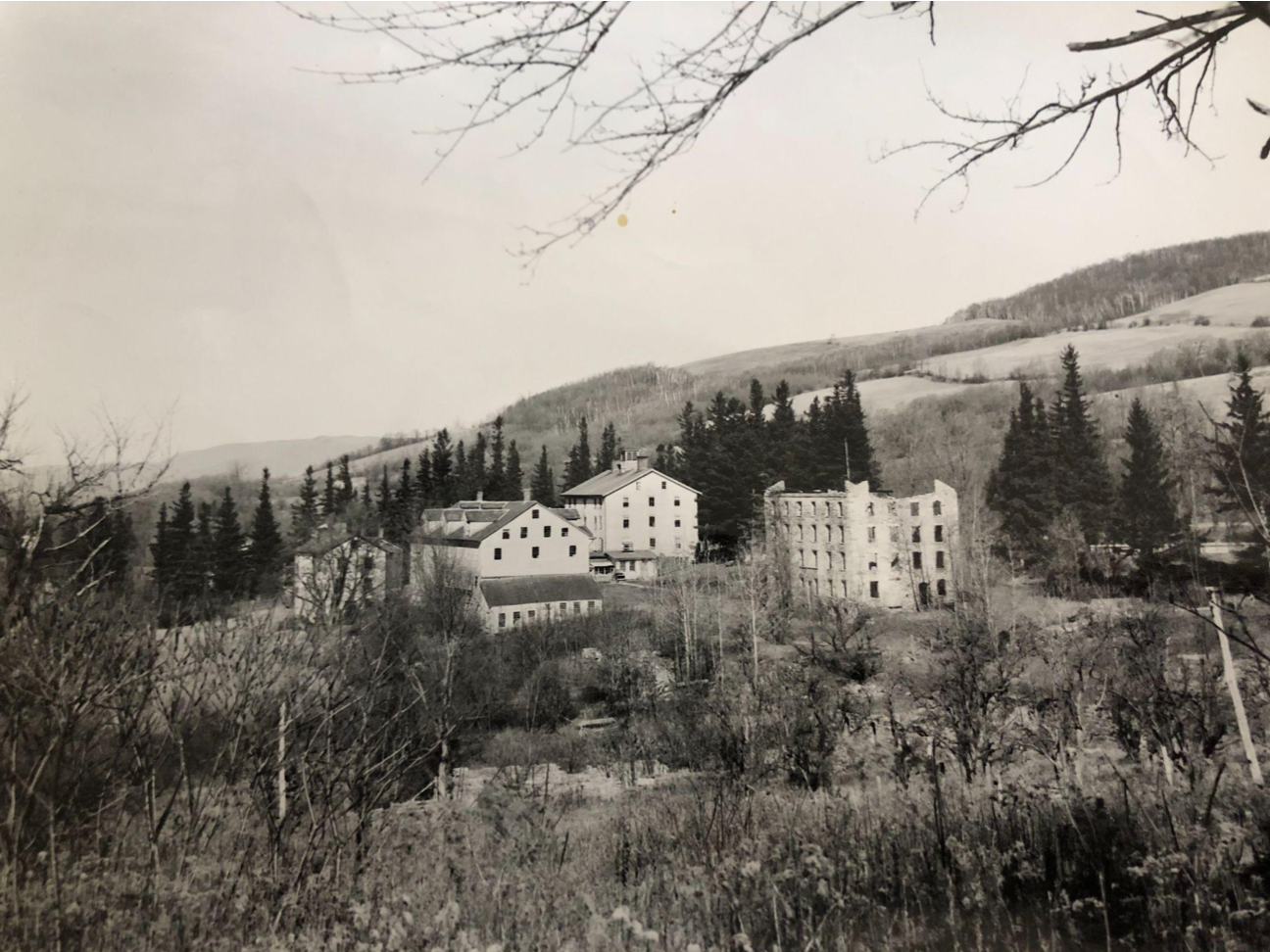
Think about saying your vows in an amazing site, where there's gorgeous stone, beautiful trees, and historic buildings that have been restored. There is a deep, poetic romance to hosting your celebration at a venue that seamlessly merges preserved 18th-century architecture with modern design.
Having the desire to host your special celebration at this historic site, known as Ruins at Sassafras Museum, means understanding how the layout of this unique space works in conjunction with your vision. You must understand and familiarize yourself with the overall logistical flow of events held there, so you can effectively create a detailed event plan for your wedding that starts with your ceremony and ends with your reception.
In this article, we will explore:
● The history and meaning behind the unique, preserved spaces of this Shaker estate.
● Logistical realities to keep in mind regarding old-world architecture and preservation.
● The overall guest experience, including the beautiful backdrops and layout options.
Unveiling the Historic Spaces
The stunning historical property includes a deep and rich history, workspace for over 67 Shakers living and working there over a time frame from 1790 to 1938. When planning your event's layout throughout the grounds of the estate, be sure to note the various historic structures that provide unique settings:
● Open Air Ruins: The Shaker structures were hidden for dozens of years under thickets, bramble bushes, and scrambling vines before they were uncovered. Their dramatic and beautiful surroundings make them perfect for an outdoor wedding ceremony or reception.
● Restored Shaker Buildings: The Brethren's Workshop and Caretaker's Cottage were both masterfully renovated to their original Shaker designs. These buildings, along with the last standing Shaker Chair Factory in the world, provide amazing backdrops for all of your wedding photography.
● Natural Artifacts: The estate has many naturally occurring artifacts from its agricultural history, such as old Shaker tools uncovered during excavation, along with the original sassafras trees that once grew on the property, which can provide a strong sense of place for your wedding ceremony.
Navigating the Logistics of Estates
Because the estate is a historical site that has been maintained in its original condition as a museum, you must respect the craftsmanship when planning an event at this venue. Speak with the venue coordinators as soon as possible about the guidelines for preserving the history, and ensure that your lighting and decoration plans take into account the historic nature of the walls.
Vendors must also be aware of how they will navigate the grounds; due to the layout of the unique estate, florists, caterers, and planners should allocate extra time to safely transport their products across the historical areas. Finally, it is important to plan transportation for both your guests and your shuttles early on, as doing so will help to keep the travel experience smooth and worry-free for everyone attending your event.
Conclusion
An historic venue gives your wedding day an immediate sense of permanence with its unique sense of place and enduring significance. When you prioritize the operational layout and honor the historical background of the property, you create an intimate journey through time that your guests will talk about for years to come.
The Ruins at Sassafras Museum provides couples with a unique blend of preservation and romance, offering an impressive atmosphere for those who want an authentic connection to New England’s heritage, turning your modern-day milestone into a piece of the history that continues to live in that space.
Categories
Read More
Microneedling has become one of the most scientifically grounded skin rejuvenation procedures in modern dermatology. Unlike superficial cosmetic treatments, it works at the level where real skin structure is formed—within the dermis. This is why Microneedling in Islamabad is widely used for long-term improvement of scars, wrinkles, pigmentation, and overall skin quality. At Enfield Royal...

Economic conditions play a major role in shaping the automotive market, especially the private vehicle segment. Inflation, fuel prices, employment trends, and consumer confidence all influence how people buy and sell cars. During uncertain times, buyers often become more cautious and look for affordable alternatives, which increases interest in used cars for sale by...

"Sulfamic Acid Market Summary According to the latest report published by Data Bridge Market Research, the Sulfamic Acid Market The global sulfamic acid market size was valued at USD 181.40 billion in 2024 and is projected to reach USD 289.12 billion by 2032, with a CAGR of 6.00% during the forecast period of 2025 to 2032. For generating the Sulfamic Acid Market document; various...

Introduction In today's rapidly evolving manufacturing landscape, industrial epoxy adhesives have emerged as indispensable materials that power everything from heavy machinery assembly to infrastructure development. Unlike conventional mechanical fasteners, industrial epoxy adhesives deliver uniform stress distribution, superior chemical resistance, and long-lasting bonds that withstand...
How to Choose the Best H4 LED Headlight for Your Car and Motorcycle in 2026 Vehicle lighting technology has evolved rapidly over the last few years, and H4 LED headlights have become one of the most popular upgrades among car and motorcycle owners. Whether you're driving on city roads, highways, or rural routes, choosing the right H4 LED headlight can significantly improve visibility and...
