Settlement Tank: How It Works and Why It Is Essential for Waste Separation
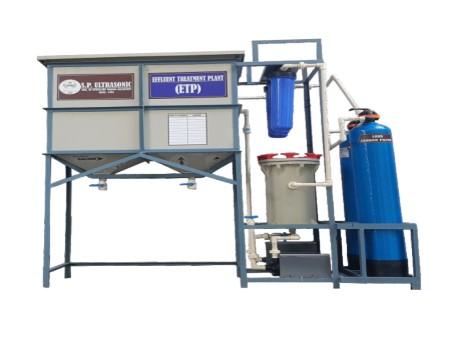
A settlement tank plays a crucial role in industrial and wastewater treatment processes by separating solid materials from liquids. These tanks are designed to allow suspended particles to settle naturally under the force of gravity, creating cleaner water and reducing the amount of waste that requires further treatment. From manufacturing plants to municipal wastewater facilities, settlement tanks are an essential component of efficient waste management systems.
What Is a Settlement Tank?
A settlement tank is a specially designed container used to separate solids from liquids. The process relies on gravity, which causes heavier particles to sink to the bottom while cleaner liquid remains on top. The accumulated solids, often called sludge, can then be removed for disposal or further processing.
Settlement tanks are commonly used in industries such as mining, food processing, chemical manufacturing, and wastewater treatment. Their simple yet effective design makes them one of the most reliable methods for removing suspended solids from liquid streams.
How Does a Settlement Tank Work?
The operation of a settlement tank is based on the principle of sedimentation. Wastewater or process water enters the tank and flows slowly through it. As the water movement decreases, gravity begins to act on the suspended particles.
Heavier materials settle at the bottom of the tank, forming a layer of sludge. Meanwhile, lighter substances may float to the surface and can be skimmed away if necessary. The clarified liquid exits the tank through an outlet positioned above the settled solids.
The efficiency of a settlement tank depends on factors such as particle size, water flow rate, tank design, and retention time. Properly designed systems maximize the settling process and improve overall treatment performance.
The Science Behind Material Settling
The settling process follows basic physical principles. When particles are suspended in water, gravity pulls them downward while the surrounding liquid creates resistance. Larger and denser particles settle faster because gravity exerts a stronger effect on them.
Engineers often use sedimentation theory to calculate settling rates and determine the ideal dimensions of a settlement tank. Factors such as temperature, viscosity, and particle density influence how efficiently materials separate from the liquid.
Understanding these scientific principles helps industries optimize their treatment systems and achieve better waste separation results.
Key Benefits of Using a Settlement Tank
Settlement tanks offer several advantages across various industries:
Improved Water Quality
By removing suspended solids, a settlement tank significantly improves water clarity and quality. This cleaner water can often be reused in industrial processes, reducing overall water consumption.
Reduced Treatment Costs
Removing solids at an early stage decreases the workload on downstream filtration and treatment equipment. This can lower maintenance expenses and operational costs.
Environmental Protection
Effective waste separation helps prevent pollutants from entering natural water sources. Settlement tanks support environmental compliance and sustainable industrial practices.
Simple and Reliable Operation
Unlike complex treatment technologies, settlement tanks operate using natural gravitational forces. This simplicity results in lower energy requirements and fewer mechanical failures.
Common Applications of Settlement Tanks
Settlement tanks are widely used in many sectors:
- Municipal wastewater treatment plants
- Mining and mineral processing facilities
- Food and beverage manufacturing
- Construction and concrete production sites
- Chemical and pharmaceutical industries
- Agricultural waste management systems
In each application, the primary goal is to separate solids efficiently before additional treatment or disposal steps.
Factors That Affect Settlement Tank Performance
Several factors influence how effectively a settlement tank performs:
- Tank Size: Larger tanks provide longer retention times for particles to settle.
- Flow Rate: Excessive flow can disturb settling and reduce efficiency.
- Particle Characteristics: Larger and denser particles settle more quickly.
- Tank Design: Proper inlet and outlet placement improves sedimentation.
- Maintenance Practices: Regular sludge removal prevents buildup and maintains performance.
Proper monitoring and maintenance ensure that the system continues operating at peak efficiency.
Conclusion
A settlement tank is a fundamental piece of equipment for waste separation and water treatment. By utilizing the natural force of gravity, these tanks effectively remove suspended solids from liquid streams, improving water quality and reducing treatment costs. Their reliability, efficiency, and environmental benefits make them indispensable across a wide range of industries. Understanding how a settlement tank works and the science behind sedimentation can help businesses optimize their operations while supporting sustainable waste management practices.
Κατηγορίες
Διαβάζω περισσότερα
Managing various platforms often leads to disjointed messaging. A unified approach ensures that a brand speaks with a single voice across search engines, email, social media, and advertising channels. By synchronizing these efforts, businesses can track the customer journey more effectively, identifying where potential clients drop off and where they find the most value. This level of oversight...

Introduction The Midnight Luxe Denim Tears Hoodie represents more than a stylish addition to a modern wardrobe—it symbolizes the evolution of luxury streetwear. Combining premium craftsmanship, timeless design, and meaningful cultural inspiration, this hoodie has become a favorite among fashion enthusiasts who appreciate both aesthetics and storytelling. With its sleek midnight-black...

Choosing the right clinic for Under Eye Fillers in Dubai is an important step toward achieving a refreshed and more youthful appearance. The delicate skin beneath the eyes is often one of the first areas to show signs of aging, fatigue, or volume loss. Under-eye filler treatment is designed to restore lost volume, soften hollows, and reduce the appearance of dark circles, helping...