


Why Have There Been Great Women Artists? Reclaiming the Legacy of American Sculptors
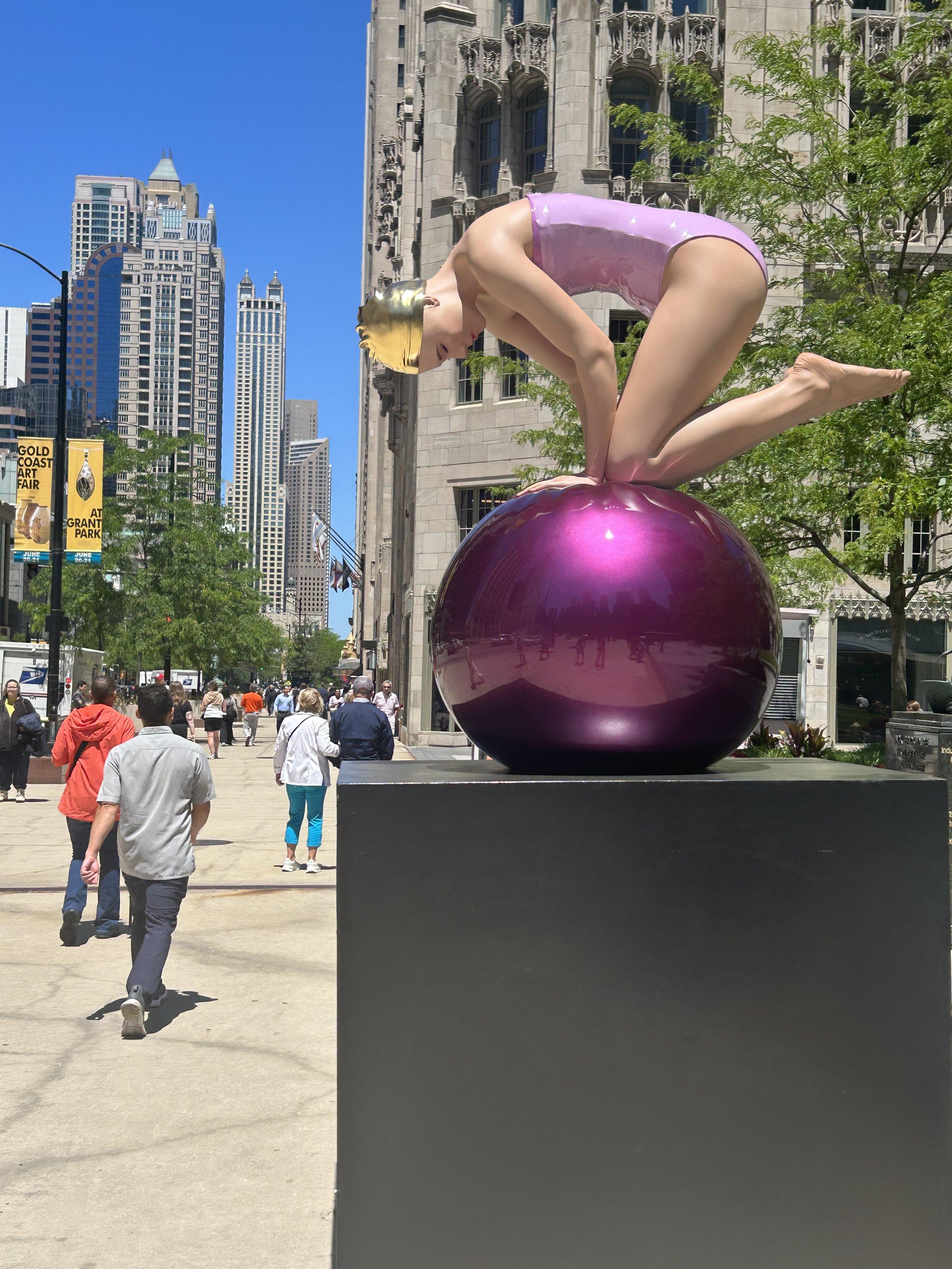
For many years until fairly recently, the mainstream world of art has completely passed by and ignored the immense ingenuity of Female Artists, instead designating their terrific creative achievements as insignificant historical 'footnotes'.
If you take a stroll through some of the older, particularly historic galleries of New York City and stand in front of any one of the bold art sculpture works in Soho, know that you are witnessing evidence of a tremendous transformational revolution of creativity dominated by American Women Artists.
In 1971, an art historian named Linda Nochlin promulgated "the female artist question" in her ground-breaking essay "Why Have There Been No Great Women Artists?", which explored the obstacles barring women from being accepted into the art world; in the years since Ms. Nochlin wrote her essay, many changes have occurred.
Today, we can "turn the question around" and ask ourselves who has created great art? The answer is that women have always created great works of monumental genius; the men and institutions of art just chose not to acknowledge them. This article is a brief exploration of how these women artists used their visionary talents to recast the expectations of form and space through their creative expressions.
In this blog, we will explore:
● Understanding the systemic hurdles, from restricted academy access to social biases that early female sculptors successfully fought against.
● A close look at how downtown Manhattan became an open-air laboratory for experimental three-dimensional art in the late 20th century.
● Celebrating the specific portfolios of trailblazing women who used steel, stone, and textile to challenge the male-dominated status quo.
● How contemporary creators are carrying this fierce legacy forward into the modern gallery scene.
Breaking Through the Stone Ceiling
Previously, "too heavy" was associated with the art of sculpture when looking at sculptures created by women. There was a significant amount of lifting, as well as working with very physically demanding materials that were messy, such as plaster, bronze, and marble, to create the work. In the past, society expected women to stick to delicate watercolors or textiles in the domestic sphere, actively discouraging them from pursuing three-dimensional art.
Historically, this change does not represent a lack of talent; it does represent a lack of opportunity and a lack of records. As a result, not only did these women create art, but they also developed a new conceptual framework for the way society looks at the capabilities of women and their physical authority over space.
The SoHo Melting Pot
During the 70’s and 80’s, the industrial lofts of lower Manhattan became the centre of global Avant-Garde art. The vast, sun-drenched creative areas allowed artists to expand upon their dreams. Female artists reclaimed these historic factories, converting the industrial waste and heavy materials into inspiring pieces of art that redefined space.
This movement allowed for female sculptors to emerge from the shadows of traditional uptown galleries. In the heart of downtown, they built a communal infrastructure:
● Repurposing Industrial Waste: Converted industrial wastelands into large sun-filled working studios for art.
● Scaling Up: Created large pieces of art utilising raw, heavy industrial waste and heavy products as materials to create large space-defining works of art.
● Cultivating Communities: Emerged out of the traditional uptown galleries to create a network of collaboration in which female voices could resonate through large-scale art.
Conclusion
To have a true understanding of contemporary sculpture, we need to continue looking back and honoring those early trailblazers who carved out a space where there was none. One artist who perfectly represents this enduring legacy is Feuerman, a trailblazer within American Women Artists for over 50 years and a dominant global influence.
Her works include everything from bronze and resin sculptures to one-of-a-kind monumental public art pieces, all of which provide a vehicle to convey major themes of mankind, including survival, beauty, and the human experience. Instead of creating a frozen moment, Feuerman has the ability to convey some aspect of motion through dynamic displays of emotion, power, and energy.
Κατηγορίες
Διαβάζω περισσότερα
Launching a new product successfully requires more than innovative engineering and quality manufacturing. Businesses also need a digital presence that educates potential customers, builds credibility, and creates a seamless path to conversion. This was the challenge faced by EzyRack, a brand introducing a revolutionary modular storage system designed to provide greater flexibility than...

In today’s competitive business environment, generating consistent revenue has become more difficult than ever. Companies are investing heavily in marketing, technology, and outreach strategies, yet many still struggle to achieve predictable growth. The core issue often lies in underlying inefficiencies that create persistent sales challenges, preventing businesses from converting...
Homeowners tend to concentrate on things that they can actually see like leaks, cracks, or molds. But the case of radon is different than this; it cannot be seen. It’s an odorless gas that may seep into your house through the soil and cause serious problems without showing any visible symptoms at all. This is why the use of radon test monitors for homeowners has gained much importance....

ORDER NOW: https://healthyifyshop.com/GetNuroClean NuroClean Cleaning Solution is not about extreme cleaning power it’s about making everyday cleaning easier and more efficient.FOR MORE...

