Turn Your Trash Into Treasure: Get Cash for Gold for Broken or Unwanted Jewellery
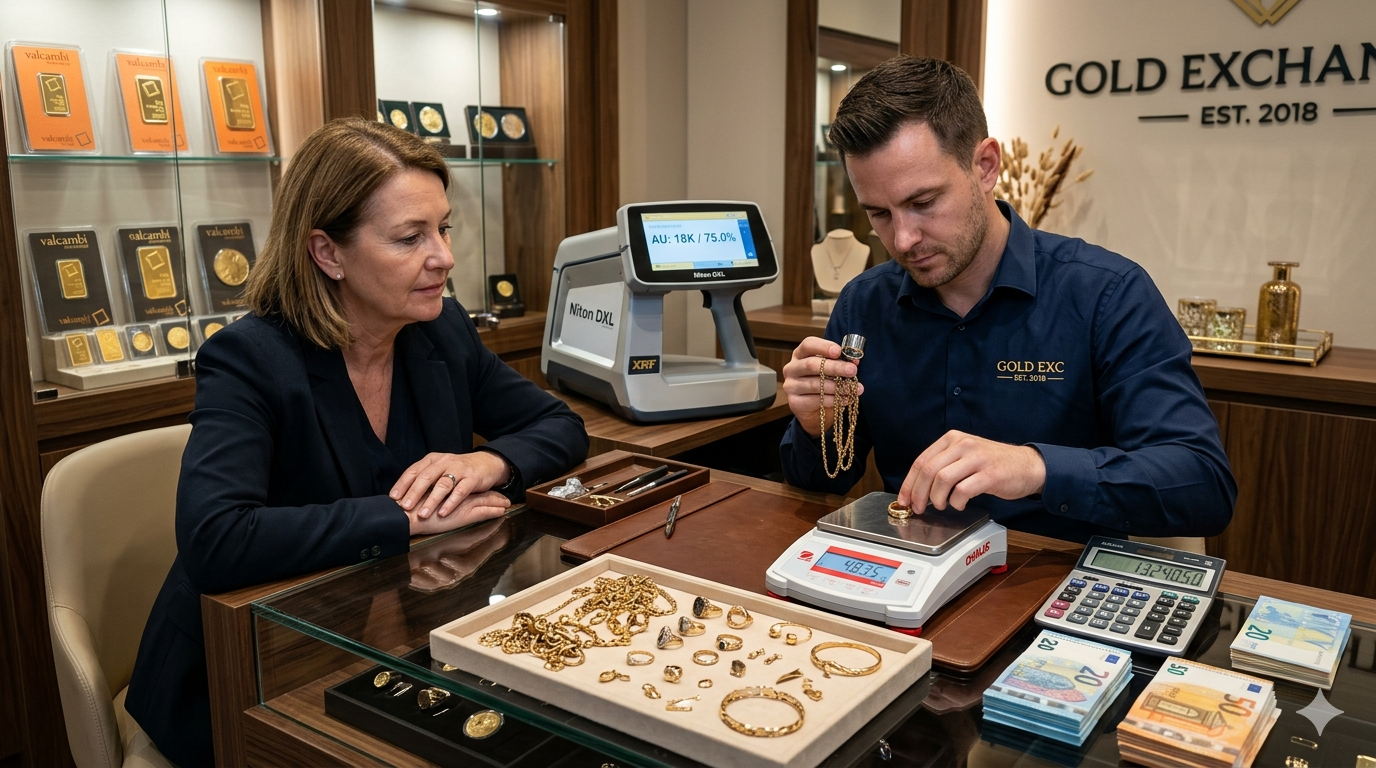
Have you ever opened a drawer and found broken gold chains, old rings, or single earrings that you no longer use? Many people keep these items for years because they think damaged jewellery has no value. The truth is that cash for gold services can help you turn unwanted gold into real money.
Even if your jewellery is broken, outdated, or missing parts, it can still be worth a lot because of the gold content. In 2026, gold remains one of the most valuable precious metals, making it a great time to sell unwanted items.
This guide explains how scrap gold is valued, where to sell it, and how to get the best possible price.
Understanding What "Scrap Gold" Actually Is
Broken, Tarnished, and Outdated Pieces
Many people think only beautiful jewellery has value. However, gold buyers are often more interested in the gold itself than the item's appearance.
Scrap gold includes:
- Broken chains
- Bent rings
- Single earrings
- Damaged bracelets
- Outdated jewellery designs
- Gold pieces with missing stones
For example, a broken 14k gold bracelet may have nearly the same gold value as a perfect 14k bracelet of the same weight. This is because professional buyers often purchase scrap gold for its melt value rather than its appearance.
The condition of the jewellery matters less than the amount and purity of gold it contains.
Gold Purity and Hallmarks
Gold jewellery is usually marked with a purity stamp called a hallmark.
Common gold hallmarks include:
- 10k – 41.7% gold
- 14k – 58.5% gold
- 18k – 75% gold
- 22k – 91.6% gold
- 24k – 99.9% gold
You can often find these marks:
- Inside rings
- Near bracelet clasps
- On necklace clasps
- On the back of pendants
It is also important to know the difference between solid gold and gold-plated items.
Solid gold contains real gold throughout the piece. Gold-plated jewellery only has a thin layer of gold on the surface and is usually worth much less.
Why Gold Value Stays High in 2026
Gold has remained valuable for centuries. In 2026, strong demand and economic uncertainty continue to support gold prices.
Many investors buy gold as protection against inflation and market changes. Because of this demand, unwanted jewellery can often bring a surprisingly high payout.
Industry experts continue to view precious metals as one of the most reliable stores of value during uncertain economic conditions.
How Your Jewellery Is Valued
Weight and Karat Calculation
Professional gold buyers use digital scales to measure your jewellery accurately.
The basic formula is:
Weight × Gold Purity × Daily Gold Price = Estimated Gold Value
For example:
- 20 grams of 14k gold
- 14k contains 58.5% pure gold
- The value is based on the current market price of gold
One common mistake sellers make is forgetting that gemstones and other materials add weight but are not included in the gold calculation.
Professional buyers usually remove non-gold materials before determining the final value.
The "Melt Value" Explained
Melt value is the value of the pure gold contained in an item.
After purchase, scrap gold is usually sent to a refinery. The gold is melted, purified, and reused in new products.
This is why broken jewellery still has value. The gold itself remains valuable regardless of the item's condition.
For example, a traditional jewellery store may offer less because they focus on resale potential. A refinery-focused buyer may offer more because they purchase gold based on melt value.
Understanding melt value helps sellers compare offers more effectively.
Factoring in Gemstones and Diamonds
Some jewellery contains diamonds or other gemstones.
Before calculating gold value, buyers often remove stones to determine the exact gold weight.
Small diamonds, known as melee diamonds, may have limited resale value. However, larger diamonds and quality gemstones can add value to the transaction.
It is also important to know whether stones are natural or synthetic. Natural stones generally have greater value, while synthetic stones may contribute little to the overall offer.
If you believe your jewellery contains valuable gemstones, ask the buyer how they assess them.
Where to Sell for the Most Money
Local Gold Buyers and Pawn Shops
Local buyers remain a popular option because they provide immediate payment and face-to-face service.
Benefits include:
- Instant cash
- Personal interaction
- Quick evaluation process
- No shipping required
However, local stores often have higher business costs, which can sometimes reduce payout amounts.
Watch for these warning signs:
- Refusal to explain pricing
- Pressure to accept an offer immediately
- No visible testing process
- Poor customer reviews
A trustworthy buyer should explain how your gold is weighed and valued.
Certified Refineries and Online Buyers
Many sellers choose certified refineries and online gold buyers.
Advantages include:
- Potentially higher payouts
- Competitive pricing
- Professional testing methods
Disadvantages include:
- Shipping delays
- Waiting for payment
- Trust concerns
Before sending gold to any company:
- Check customer reviews
- Verify business credentials
- Confirm insurance coverage
- Read payment policies carefully
Always work with established buyers that provide transparent pricing.
Auction Houses for High-Value Vintage Pieces
Sometimes a damaged jewellery item may be worth more than its gold content.
Vintage, antique, or rare designer pieces may have collectible value.
In these situations, selling solely for melt value could mean losing money.
Auction houses may be a better option if:
- The piece is antique
- The jewellery is from a famous designer
- The item has historical significance
- The craftsmanship is rare
A specialist can help determine whether your item is worth more as a collectible than as scrap gold.
Step-by-Step Guide to Selling Your Gold
Sorting and Cleaning Your Items
Preparation can help you understand the value of your collection.
Start by grouping items according to purity:
- 10k gold
- 14k gold
- 18k gold
- 22k gold
Next, gently clean the items using warm water and mild soap.
You can also use a home scale to estimate total weight before visiting a buyer.
While your estimate may not be exact, it provides a useful starting point.
Comparing Multiple Quotes
One of the biggest mistakes sellers make is accepting the first offer they receive.
Instead, obtain at least three quotes from different buyers.
Ask each buyer:
- What percentage of the spot price do you pay?
- Are there any fees?
- How do you test purity?
- How is the final value calculated?
Comparing offers helps you identify fair pricing and avoid low-ball offers.
Even small differences can result in significantly higher payouts.
Finalizing the Transaction Safely
Once you choose a buyer, complete the transaction carefully.
If shipping gold:
- Use insured shipping
- Keep tracking information
- Take photographs before sending
Always request a detailed receipt showing:
- Weight
- Purity
- Price offered
- Payment amount
Common payment methods include:
- Cash
- Bank transfer
- Cheque
Keep all records for future reference.
Common Pitfalls and How to Avoid Them
The "Cash for Gold" Mail-In Scams
Most mail-in buyers are legitimate, but some scams still exist.
Warning signs include:
- Unrealistically high promises
- No clear pricing policy
- Poor customer reviews
- Difficulty contacting customer support
Some dishonest companies may claim shipments were lost or offer far less than expected.
Always research a company thoroughly before sending valuables.
Also be cautious of fake online reviews. Look for detailed reviews from verified customers rather than generic praise.
Overpaying for "Appraisal" Services
Many people believe they need a professional appraisal before selling scrap gold.
In most cases, this is unnecessary.
Because scrap gold is valued mainly by weight and purity, paying for an appraisal often provides little benefit.
Instead, you can:
- Check current gold prices online
- Compare multiple buyer quotes
- Use a home scale for rough estimates
Professional appraisals are usually only necessary for:
- Antique jewellery
- Designer pieces
- Rare gemstones
- High-value collectibles
For ordinary scrap gold, free evaluations from reputable buyers are often enough.
Conclusion
Broken gold jewellery is not junk. It is still a valuable asset that can be converted into money.
Whether you have broken chains, old rings, single earrings, or unwanted bracelets, there is a strong market for scrap gold in 2026.
The best approach is simple:
- Sort your items by purity.
- Weigh your gold.
- Check current market prices.
- Compare multiple offers.
- Choose a trusted buyer.
By following these steps, you can maximize your payout and avoid common mistakes.
Instead of letting unused jewellery sit in a drawer, turn it into a financial opportunity today. Your unwanted gold could be worth far more than you think.
Κατηγορίες
Διαβάζω περισσότερα
Why Modern Jewelry Enthusiasts Continue to Choose White Gold Jewelry trends may evolve over time, but certain materials continue to hold their place because of their versatility, elegance, and lasting value. Among these precious metals, white gold has earned a reputation as one of the most sought-after choices for fine jewelry. Whether featured in engagement rings, wedding bands, necklaces,...
Painting is one of the most effective ways to improve the appearance, comfort, and value of any property. In Wisconsota, painting services have become an important part of home and commercial improvement projects. A fresh coat of paint can completely change the atmosphere of a room, protect surfaces from damage, and create a beautiful environment. Whether it is interior painting, exterior...

The On Cloud 5 has quickly become one of the most talked-about sneakers in the global footwear market. Developed by On, the On Cloud 5 is designed to deliver lightweight comfort, responsive cushioning, and everyday versatility. It is often highlighted in discussions about modern running shoes that blend performance with lifestyle appeal. At the same time, the idea of the most popular...

Quick answer Delhi is home to several established stretch film manufacturers, including Universal Plastics known for in-house production, custom widths and thicknesses, and bulk supply across India. The best choice depends on your order volume, film grade (manual or machine), and delivery timeline — this guide compares the top 10 options so you can decide quickly. What to Check Before...