Pregnancy Blood Test Accuracy by Week: What to Expect
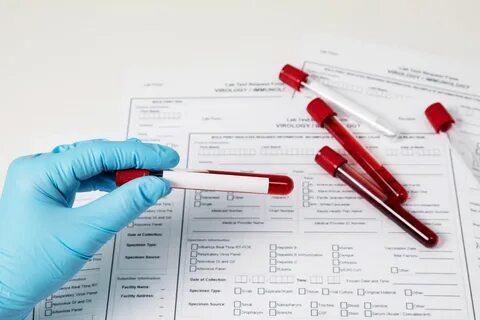
Pregnancy testing has become more advanced than ever, allowing women to confirm pregnancy with remarkable accuracy during the earliest stages of conception. Among all available methods, a pregnancy blood test is considered one of the most sensitive and reliable ways to detect pregnancy. However, many women are surprised to learn that blood test accuracy can vary depending on when the test is performed.
Understanding how Pregnancy Blood Test Dubai accuracy changes week by week can help you choose the right testing time, interpret results correctly, and reduce unnecessary stress during the waiting period.
Why Timing Matters More Than the Test Itself?
A pregnancy blood test works by measuring human chorionic gonadotropin (hCG), a hormone produced shortly after a fertilized egg implants in the uterus. While blood tests are highly accurate, they still depend on sufficient hCG levels being present in the bloodstream.
The amount of hCG increases rapidly during early pregnancy, which means accuracy improves as pregnancy progresses. Testing too early may result in a false-negative result, even when conception has occurred successfully.
This is why healthcare providers often consider both hormone levels and pregnancy timeline when evaluating test results.
A Week-by-Week Look at Pregnancy Blood Test Accuracy:
The following timeline explains what typically happens during the earliest weeks of pregnancy and how it affects blood test reliability.
Before Conception:
In medical pregnancy dating, week 1 begins on the first day of the last menstrual period. At this stage, conception has not yet occurred.
Since no fertilization or implantation has taken place, pregnancy blood tests will be negative.
Expected Accuracy: 100% negative result
Ovulation Approaches:
During week 2, ovulation usually occurs. The egg may be released and fertilization can happen if sperm is present.
Even if conception occurs during this period, the embryo has not implanted in the uterine lining yet. Since hCG production begins only after implantation, a pregnancy blood test remains negative.
Expected Accuracy: Negative results remain normal
Implantation Begins:
Week 3 is often when implantation occurs. Once implantation takes place, the developing embryo starts producing hCG.
At this stage, hormone levels may still be extremely low. Some highly sensitive quantitative blood tests may detect pregnancy, but results can vary.
Expected Accuracy:
-
Quantitative blood test: Moderate accuracy
-
Qualitative blood test: May still be negative
Many women receive their first positive blood test during this week, particularly after fertility treatments.
Early Pregnancy Detection:
Week 4 is usually when a missed period occurs. By now, hCG levels are increasing rapidly.
Most pregnancy blood tests can accurately detect pregnancy at this stage. Healthcare providers often recommend testing around the time of a missed period for optimal reliability.
Expected Accuracy:
-
Over 99% in most cases
-
Very low chance of false-negative results
This is one of the most common times women seek pregnancy confirmation.
Strong Hormone Growth:
By week 5, hCG levels have typically increased significantly. Blood tests become exceptionally reliable and can provide valuable information about pregnancy progression.
Healthcare providers may compare hormone levels from multiple tests to ensure they are rising appropriately.
Expected Accuracy:
-
Extremely high
-
Reliable pregnancy confirmation
-
Useful for monitoring pregnancy development
Maximum Reliability:
After week 6, pregnancy blood tests are highly dependable. Hormone levels are usually well above detection thresholds, making false-negative results uncommon.
At this stage, blood testing may also be used alongside ultrasound examinations to assess fetal development and confirm pregnancy viability.
Expected Accuracy:
-
Greater than 99%
-
Highly dependable results
-
Effective monitoring tool
Understanding the Difference Between Qualitative and Quantitative Blood Tests:
Not all pregnancy blood tests provide the same information.
Qualitative Blood Test:
A qualitative hCG test answers one simple question:
"Are you pregnant?"
The result is either positive or negative. It does not provide exact hormone measurements.
Quantitative Blood Test:
A quantitative blood test measures the exact amount of hCG present in the bloodstream.
This test is particularly useful because it can:
-
Detect pregnancy earlier
-
Monitor hormone progression
-
Identify possible complications
-
Track fertility treatment outcomes
-
Help assess early pregnancy health
For women seeking the earliest possible detection, quantitative testing is generally preferred.
Typical hCG Levels by Pregnancy Week:
Although hormone levels vary widely between individuals, the following ranges provide a general reference.
| Pregnancy Week | Typical hCG Range |
|---|---|
| 3 Weeks | 5–50 mIU/mL |
| 4 Weeks | 5–426 mIU/mL |
| 5 Weeks | 18–7,340 mIU/mL |
| 6 Weeks | 1,080–56,500 mIU/mL |
| 7–8 Weeks | 7,650–229,000 mIU/mL |
Healthcare providers focus more on how hCG levels rise over time than on a single measurement.
Factors That Can Influence Blood Test Accuracy:
Although pregnancy blood tests are highly accurate, several factors may affect results.
Testing Too Early:
The most common reason for inaccurate results is testing before hCG levels become detectable.
Even the most sensitive laboratory tests require a minimum amount of hormone in the bloodstream.
Late Implantation:
Some pregnancies implant later than expected, delaying hCG production and affecting early test results.
Fertility Medications:
Certain fertility drugs contain hCG and may temporarily influence blood test readings.
Laboratory Variables:
While rare, specimen handling errors or technical issues can occasionally impact accuracy.
Repeating the test after 48 to 72 hours often provides a clearer picture.
Signs That a Repeat Blood Test May Be Needed:
Healthcare providers may recommend follow-up testing when:
-
Results are unclear
-
hCG levels appear lower than expected
-
Pregnancy symptoms continue despite a negative test
-
There is concern about miscarriage risk
-
Ectopic pregnancy is suspected
-
Fertility treatment monitoring is required
Since hCG levels generally double every two to three days during early pregnancy, repeat testing can reveal important trends.
Blood Test vs Home Pregnancy Test: Which Is More Accurate?
Many women wonder whether a blood test offers significant advantages over a home pregnancy test.
Home Pregnancy Test:
Advantages:
-
Convenient
-
Affordable
-
Immediate results
-
Available without prescription
Limitations:
-
Less sensitive in very early pregnancy
-
Greater chance of user error
-
May produce false negatives if taken too soon
Pregnancy Blood Test:
Advantages:
-
Detects lower hCG levels
-
Earlier pregnancy detection
-
More than 99% accurate
-
Provides detailed hormone measurements
Limitations:
-
Requires laboratory testing
-
Results may take several hours or days
-
Typically costs more than home testing
For early pregnancy confirmation, blood testing remains the gold standard.
Frequently Asked Questions About Pregnancy Blood Test Accuracy:
Can a blood test be wrong at 4 weeks pregnant?
Although uncommon, a false-negative result can occur if implantation happened later than expected or hCG levels are still low.
Does higher hCG mean a healthier pregnancy?
Not necessarily. Healthy pregnancies can have widely different hCG levels. Doctors focus on hormone trends rather than a single value.
How soon after implantation can a blood test detect pregnancy?
A quantitative blood test may detect pregnancy within a few days after implantation, often around 6 to 8 days after ovulation.
Can stress affect pregnancy blood test results?
No. Stress does not alter hCG production or affect the accuracy of a pregnancy blood test.
Final Thoughts:
Pregnancy blood Lab tests accuracy depends heavily on timing. While these tests are among the most reliable diagnostic tools available, understanding the week-by-week rise of hCG levels helps set realistic expectations. During weeks 3 and 4, results can vary depending on implantation timing and hormone production. By week 5 and beyond, blood tests become extremely accurate and provide valuable insight into pregnancy progression.
For women seeking early pregnancy confirmation, monitoring fertility treatment outcomes, or evaluating pregnancy health, a pregnancy blood test offers unmatched precision. Working closely with a healthcare provider ensures accurate interpretation of results and appropriate follow-up care throughout the early stages of pregnancy.
Categorías
Read More
Book Nashik to Malegaon cab online at best price. CabBazar provides car rental services for all cab types AC, Non AC, Hatchback, SUV, Sedan, Innova and Tempo Traveller. Both One way drop taxi and round trip cab available at lowest price. Price starts Rs. 9/Km.

Best Male Enhancement Pills Over The Counter:- Many male enhancement products are promoted through advertisements featuring impressive promises and dramatic testimonials. However, marketing language does not always reflect scientific evidence. Consumers should evaluate claims carefully and look for information based on research rather than relying only on promotional statements....

Rosemary oil has become one of the most talked-about natural remedies in the hair care world—and for good reason. This simple herbal oil is known for helping stimulate hair follicles, improve scalp health, and support thicker, healthier hair over time. The best part? You don’t need expensive salon treatments or rosemary oil price in pakistan store-bought products...