


Cost of NBC Filtration Systems for Homeowners
Imagine a municipal emergency operations centre sheltering staff after a nearby industrial chemical release. Outside, responders measure airborne toxins; inside, operators depend on reliable filtration to keep the space habitable. For homeowners considering elevated protection, questions about feasibility and cost arise: can a household install an NBC Filtration System, and what are the realistic costs and trade-offs?
NBC threats—radioactive particulates, biological aerosols, and chemical vapours—remain concerns for high-risk sites and, in rare cases, civilian shelters. An NBC Filtration System is engineered to remove particulates, adsorb toxic gases, and maintain positive pressure. For homeowners, understanding system capabilities, required features, and investment implications is essential before considering any purchase or retrofit.
What an NBC filtration system is
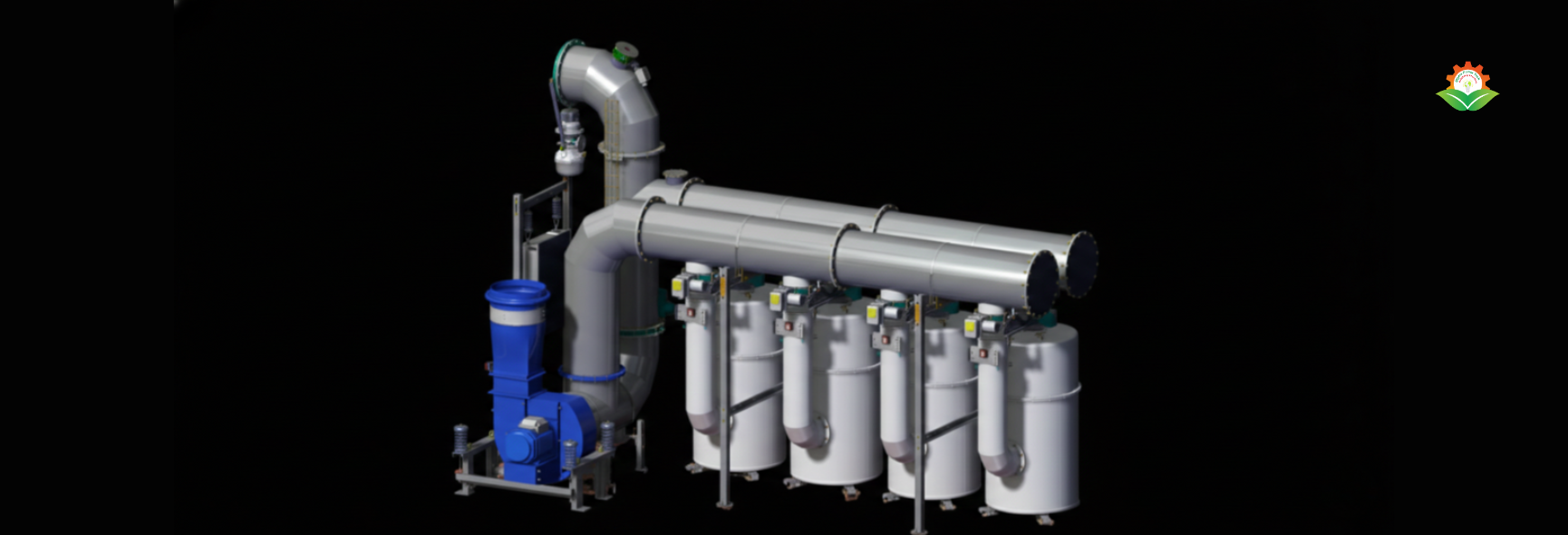
An NBC Filtration System differs from consumer air purifiers. It’s a purpose-built assembly combining pre-filters, HEPA/ULPA stages, activated carbon or impregnated sorbents, positive-pressure controls, and CBRN-compatible monitoring. Systems are tested to defined threat spectra and include redundant power and alarm systems for sustained events.
How NBC filtration systems work
Staged filtration is standard: coarse pre-filters reduce dust loading; HEPA filters capture radioactive and biological particulates; activated carbon or specialized sorbents remove chemical agents; pressure control ensures inward leakage is prevented. Integration with sensors and control logic lets systems switch modes during contamination and report filter breakthrough or failures.
Air purification and contamination-control principles
Three engineering variables dictate protection: particulate capture efficiency, sorbent breakthrough time, and maintained pressure differential. HEPA filters are rated for 99.97% removal at 0.3 µm; sorbent beds are sized for expected concentrations and environmental conditions; and leak-tight enclosures preserve positive pressure. Home installations must address each variable to be effective.
Protection against nuclear particles and biological threats
Radioactive fallout behaves as particulate dust; HEPA filtration sized to air-change requirements will reduce inhalation risk. For biological aerosols, validated HEPA or ULPA media plus careful ducting prevent re-entrainment. Consumer devices rarely provide tested log reductions or sealed housings required for true protection.
Chemical warfare agent removal
Gas-phase protection depends on sorbent chemistry and bed depth. Activated carbon impregnated for specific agents is essential; bed life depends on concentration, temperature, and humidity. Short of certified sorbent cartridges and proper housing, improvised solutions risk rapid breakthrough.
Positive pressure protection systems
Positive pressure keeps contaminated air out through leaks rather than into a shelter. Achieving stable overpressure needs controls, dampers, and makeup air sized to occupant load. Most residential HVAC systems cannot reliably maintain these setpoints, especially during prolonged events.
Key features homeowners should expect
-
HEPA filtration: certified, leak-tested units.
-
Activated carbon filtration: impregnated sorbents with published breakthrough data.
-
Toxic gas adsorption: calculated bed life for expected threats.
-
Biological contaminant protection: validated aerosol capture.
-
Radioactive particle filtration: safe filter-change procedures.
-
Positive pressure operation: control and alarm integration.
-
Corrosion-resistant construction and secure housings.
-
Continuous air monitoring compatibility: CBRN detectors or commercial gas sensors.
-
Low-maintenance access and modular replacement filters.
-
Backup power and emergency operation modes.
Applications and realistic use-cases at home
Residential use of NBC-grade filtration is uncommon but may be considered for private safe rooms, underground shelters, or residences near high-risk industrial facilities. For most homeowners, certified systems are over-specification; however, bolstering shelter spaces with HEPA and properly specified sorbent units, combined with robust sealing and monitoring, offers interim protection.
System selection factors for homeowners
Homeowners should base decisions on threat assessment, desired protection level, shelter occupancy, available space for equipment and sorbent beds, airflow requirements (litres/second per person), and maintenance capability. Consider environmental factors—humidity and temperature—that affect sorbent performance. Lifecycle costs include filter replacements, sorbent renewals, power consumption, and periodic testing.
Buyer’s guide: evaluating suppliers
When evaluating systems or suppliers, prioritise demonstrated engineering experience, third-party testing and certifications, customisation options for shelter sizes, installation and commissioning support, spare-part availability, and clear maintenance documentation. For complex installations consult contractors or defence-engineering firms rather than consumer retailers.
Common mistakes homeowners make
-
Assuming consumer purifiers provide NBC protection.
-
Neglecting airflow and pressure calculations for shelter occupancy.
-
Installing undersized sorbent beds or wrong impregnation types.
-
Skipping commissioning and leak testing.
-
Underestimating maintenance frequency and filter handling safety.
-
Relying exclusively on DIY or portable units without integration with shelter pressurization.
Cost considerations (not price quotes)
Cost varies widely with performance requirements. Key drivers are HEPA module quality, sorbent bed mass and impregnation, control systems, enclosure sealing, power backup, and installation complexity. Rather than focusing solely on initial procurement cost, assess lifecycle expenditure: replacement filters, sorbent renewals, sensor calibration, technician servicing, and electricity for continuous operation. In many cases, modular approaches allow staged investment—improve sealing and monitoring first, then add certified sorbent cartridges and HEPA arrays.
Where to find professional solutions
For homeowners aiming for rigorous protection or to equip a shelter to industrial standards, work with reputable suppliers who can size systems to your threat profile and shelter geometry. Technical resources and engineered service options are available through specialised providers; for example, reference materials and service outlines from defence-capable firms can clarify specifications before procurement. One such resource outlining engineering approaches to CBRN filtration is Nbc filtration system india.
Conclusion
An effective NBC Filtration System for even a residential shelter requires more than a high-end consumer air purifier. Real protection demands certified HEPA performance, correct sorbent chemistry and bed sizing, positive-pressure controls, monitoring, and lifecycle maintenance planning. Homeowners should prioritise engineering-led assessments and staged investments focused on sealing, validated filtration modules, and professional commissioning to ensure occupant safety and resilience.
Categorieën
Read More
Botox in Dubai has become one of the most popular non-surgical cosmetic treatments for people looking to maintain a youthful and refreshed appearance. For first-time patients, the idea of undergoing an aesthetic treatment can bring both excitement and questions. Understanding what Botox is, how it works, and what to expect before and after treatment can help you feel more confident about your...

Golden sunlight slowly touched the snowy Himalayan peaks while cool mountain air moved through peaceful forest trails. The sound of birds, flowing rivers, and village life created a calm and unforgettable trekking experience in Nepal. The ghorepani ghandruk trek is one of the most beautiful short treks in the Annapurna region, offering stunning mountain views, rich Gurung culture, and quiet...

Outdoor living has become an important part of modern residential design in Abu Dhabi because families now value comfort, organised outdoor spaces, and peaceful surroundings more than ever before. Homeowners no longer see gardens as simple decorative areas because outdoor environments now support relaxation, family gatherings, and healthier daily lifestyles. Beautiful landscaping...

Dubai is a never-sleepy city. Something new is opening here daily. Professionals are working round the clock to upgrade their careers. Leaders are constantly looking for innovative ways of managing people and leading teams. Due to this increasing emphasis on self and career development many are now seeking ICF Approved Training in Dubai. People are looking for skills to enable them to help...

A beautifully designed home can still feel incomplete without a signature scent. Many homeowners struggle with creating a warm, relaxing, and inviting atmosphere, even after investing in décor and furniture. This is where the perfume candle becomes a powerful solution. A perfume candle is more than just a decorative item—it transforms space, mood, and emotional experience. However,...

