


Pool Maintenance Abu Dhabi: Why Most Pools Stay Problematic
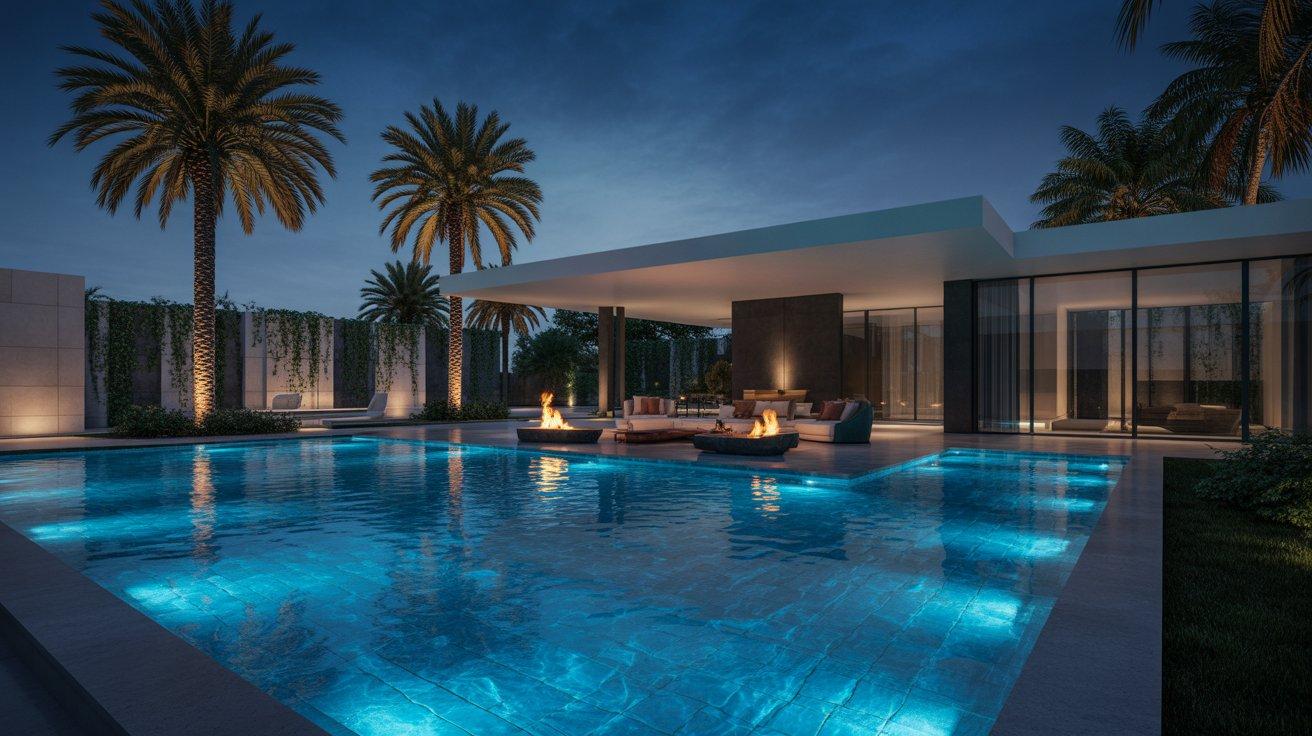
There's a specific conversation that happens regularly between pool owners and contractors in Abu Dhabi. The pool is green, or the water won't clear, or the waterline looks like it hasn't been touched in months — and the owner is confused, because someone has been coming every week. That gap between what's being paid for and what's actually being delivered defines the core problem with pool cleaning services in this city. Showing up is not the same as cleaning properly. And in Abu Dhabi's environment specifically, the difference between those two things shows up faster and more expensively than almost anywhere else.
Atlanta Pools has built its reputation in the UAE by operating on the other side of that gap — delivering outdoor pool and landscape services that actually perform to the standard the climate demands, not the minimum the contract technically permits. This blog is for pool owners who want to understand what genuinely competent pool cleaning involves, why Abu Dhabi's conditions make the standard higher here than elsewhere, and how to evaluate whether the service they're currently receiving is protecting or gradually depleting their investment.
The Abu Dhabi Conditions That Make Pool Cleaning a Technical Discipline, Not a Chore
Before examining what proper pool cleaning involves, it's worth establishing why the bar is higher in Abu Dhabi than in most other pool markets globally. This isn't about selling additional services — it's about the physical and chemical reality of maintaining water quality in this specific environment.
Outdoor water temperature in Abu Dhabi pools peaks at levels that compress biological timelines dramatically. Algae species that develop over two to three weeks in moderate climates can establish visible growth in three to five days in peak summer here. Bacteria multiply faster. Organic compounds break down and contribute to combined chlorine formation more rapidly. The consequence is that a pool left without attention for ten days in July is not in the same condition as a pool left for ten days in March — and a cleaning program that treats those situations identically is already operating without the situational awareness that competent pool cleaning requires.
Evaporation rates in Abu Dhabi's dry heat are among the highest of any inhabited region. As water evaporates, dissolved minerals concentrate. Total dissolved solids accumulate. Calcium hardness rises. The water chemistry parameters that were correctly balanced at the start of a hot week can shift meaningfully before the next scheduled visit, in ways that affect both water clarity and surface condition. Monitoring and compensating for this concentration effect is a routine technical requirement here that many basic cleaning programs simply don't account for.
Fine particulate from the desert environment enters pools continuously and accelerates during wind events. This material affects filtration efficiency, contributes to the chemical oxygen demand in the water, and settles on pool floors and surfaces where it combines with organic material to create the substrate on which biological growth and staining develop. Managing this ongoing input requires cleaning approaches calibrated to the actual dust load rather than a standard protocol designed for enclosed suburban pools in temperate cities.
What a Technically Complete Pool Cleaning Visit Covers in Practice
Understanding the full scope of what a comprehensive pool cleaning visit should include gives pool owners a concrete basis for evaluating whether their current service is genuinely covering the ground it should.
Water testing begins every properly conducted cleaning visit — not at the end, not occasionally, but at the start of each visit as the basis for every chemical decision that follows. Complete testing covers pH, total alkalinity, calcium hardness, free chlorine, combined chlorine, cyanuric acid, and total dissolved solids. Each parameter influences the effectiveness of the others. A pool with correct free chlorine but elevated combined chlorine has a sanitisation problem that only combined chlorine measurement reveals. A pool with correct pH but low alkalinity has pH instability that will cause the chemistry to shift rapidly after adjustment. Partial testing produces partial information and therefore partial results.
Chemical adjustment based on those test results — precise, proportionate additions that move each parameter toward its optimal range for current conditions — is the technical heart of the visit. The adjustment quantities required on a specific day depend on current parameter values, water temperature, recent weather, and bather load since the last visit. A contractor applying the same quantities in the same sequence regardless of those variables is not chemically managing the pool. They're performing a physical routine that produces inconsistent outcomes because it ignores the inputs that drive actual chemical demand.
Surface cleaning — systematic brushing of walls, steps, and floor areas — addresses the physical dimension of water quality management. Brushing disrupts biofilm before it becomes visible algae, removes surface scale deposits before they become hard calcium crust, and keeps surfaces in the condition where chemical management can actually reach and sanitise them effectively. This is often the most time-consuming part of a thorough cleaning visit and, consequently, the part most frequently shortened when contractors are working to a cost rather than a standard.
Vacuuming settled debris from the pool floor removes decomposing organic material that would otherwise continue exerting chemical demand on the water. Skimming surface debris and cleaning skimmer and pump baskets prevents organic accumulation from progressing into the filtration system where it reduces efficiency. Waterline tile cleaning — removing the accumulated oils, mineral scale, and oxidised material at the water surface — is the visual indicator of maintenance quality that experienced pool owners have learned to check first.
Filtration system service — backwashing or cleaning filter media, checking operating pressure against baseline, inspecting flow rates — ensures the mechanical water clarification system is performing rather than simply running. A filter operating at reduced capacity due to accumulated material means more chemical work to maintain clarity, more pump motor strain, and shorter equipment service life.
Why Pool Cleaning Services Frequency Cannot Be Fixed Without Accounting for Season
Pool cleaning services delivered on a fixed weekly schedule regardless of season are miscalibrated for Abu Dhabi's actual conditions. The maintenance demand varies significantly across the year, and a program that doesn't respond to that variation is always either over-servicing during lower-demand months or under-servicing during the periods when proper cleaning matters most.
Peak summer — May through September — creates the highest cleaning demand across every dimension simultaneously. Chemical consumption peaks, biological growth risk is greatest, dust load is often elevated by wind conditions, and evaporation-driven mineral concentration is most rapid. During this period, many pools genuinely require twice-weekly professional attention to maintain the water quality that weekly service adequately delivers in cooler months. Swimming pool contractors in Abu Dhabi who design service agreements without seasonal variation are either assuming clients won't notice the difference, or genuinely don't understand the local environment well enough to account for it.
Transition periods — particularly the rapid temperature increase in April and May — are when calcium scale formation accelerates significantly. Proactive chemistry management during this transition, specifically targeting calcium hardness and total alkalinity to account for temperature-driven changes in calcium carbonate saturation, prevents the scale accumulation on floor and wall tiling and plaster surfaces that becomes a significant remediation task if allowed to develop unchecked.
Cooler months present the opposite opportunity — lower chemical demand, reduced biological risk, and the practical window to address surface inspection, minor repairs, and equipment servicing tasks that are harder to prioritise when urgent chemistry management is competing for attention during peak season.
The Outdoor Environment Around Your Pool and Its Direct Effect on Cleaning Workload
Pool cleaning doesn't happen in isolation from the surrounding outdoor space. The landscape around a pool — the plants, paving, drainage design, and garden features — directly determines how quickly a cleaned pool gets dirty again and how much physical material the cleaning service has to manage on each visit.
Garden maintenance in pool-adjacent areas is therefore not a separate concern from pool cleaning — it's a contributing factor to pool cleaning workload. Plants selected without consideration for debris load — species that shed continuously, produce seeds or flower material that enters the water, or generate organic material that accelerates filtration loading — create ongoing cleaning demands that more appropriate planting choices would have avoided.
Hard and soft landscaping design choices influence drainage patterns around the pool, the dust and debris accumulation zones that wind carries into the water, and the overall outdoor environment that pool cleaning is operating within. Atlanta Pools integrates swimming pool design and surrounding landscape design specifically to create outdoor environments where the pool's ongoing cleaning and maintenance requirements are minimised by intelligent design rather than maximised by conflicting systems.
Spa, fountains and water features integrated with pool environments require their own cleaning attention — water feature surfaces, feature walls, jet nozzles, and weir areas that accumulate scale and biological growth at different rates than the main pool body. Comprehensive pool cleaning that addresses the full water environment, including all integrated features, delivers a coherent result that partial cleaning of the main pool body alone never achieves.
Identifying What's Behind Persistent Pool Cleaning Failures
When pool cleaning services consistently fail to deliver clear, clean water despite regular visits, the problem is rarely random. Persistent failures have identifiable causes, and understanding those causes is the route to actually resolving them rather than managing them indefinitely.
Chronic algae problems that return quickly after treatment almost always indicate either inadequate sanitiser management between visits, an unresolved filtration efficiency problem, or physical cleaning that isn't reaching the areas where algae establishes itself — steps, corners, behind fittings, under lane line anchors. Algae treatment without identifying and addressing the underlying cause produces a cycle of treatment and recurrence that costs money without solving anything.
Persistent turbidity — water that's hazy or milky without obvious algae — typically points to either a coagulation and filtration issue, elevated total dissolved solids beyond the range where clarity can be maintained by normal chemistry, or a calcium carbonate precipitation event caused by alkalinity or pH management outside appropriate ranges. Each of these has a specific remediation approach, and generic chemical addition does not address any of them effectively.
Swimming pool repair contractors Abu Dhabi property managers engage when cleaning failures persist are frequently identifying underlying structural or equipment issues — surface deterioration that creates cleaning challenges, failing plaster and cladding that releases material into the water, equipment performance issues that reduce filtration effectiveness — that have been contributing to cleaning failures for months before anyone looked for the root cause.
Pool maintenance Abu Dhabi done properly includes this diagnostic dimension — the systematic observation and investigation that distinguishes between a pool that needs more cleaning and a pool that needs something structural or mechanical addressed before cleaning can produce the results the owner expects.
Planning Pool Cleaning Costs Without Getting Surprised Later
Smart budgeting for pool cleaning services means understanding the relationship between service scope, service frequency, and total annual cost — including the repair and remediation costs that inadequate cleaning generates over time.
The annual cost of professional pool cleaning for a residential pool in Abu Dhabi — covering regular visits, chemical supply, filtration maintenance, and equipment inspection — is a known, plannable expense when structured correctly. The cost of one major equipment failure, one plaster resurfacing, or one significant algae remediation event that adequate ongoing cleaning would have prevented typically exceeds a full year's professional service cost. Pump room renovation projects Atlanta Pools undertakes on existing properties frequently reveal equipment that has been operating in degraded condition for extended periods — generating higher operating costs, accumulating wear, and building toward failures that a proper maintenance and cleaning program would have identified and addressed progressively rather than all at once.
Understanding this total cost relationship is what separates pool owners who view cleaning as an expense from those who view it as capital protection. The perspective shift changes the decision criteria for evaluating service providers — from who is cheapest per visit to who is most likely to keep the pool in excellent condition and the equipment running efficiently across a multi-year ownership horizon.
Your Pool Isn't Dirty Because of Abu Dhabi's Climate. It's Dirty Because of What's Missing.
The climate here is demanding — but it's consistent and knowable. Every challenge that Abu Dhabi's environment presents to outdoor pool cleanliness has a response, and pools managed by contractors who understand those responses stay clean reliably. The ones that don't aren't victims of the environment. They're being underserved by a cleaning approach that isn't calibrated to the actual conditions.
If your pool cleaning situation isn't producing the results you're paying for — if the water is inconsistent, if surfaces are showing wear that shouldn't be there yet, if you're spending on remediation that shouldn't be necessary — the conversation that changes that starts here. Atlanta Pools works with pool owners across Abu Dhabi who've reached exactly this point and want a direct, honest assessment of what their pool actually needs and what addressing it properly looks like. No generic service proposal — a specific answer to your specific situation.
Frequently Asked Questions
1. Why do pool cleaning services in Abu Dhabi need to be more frequent than in other countries? Abu Dhabi's extreme heat, high UV intensity, elevated evaporation rates, and desert dust load all accelerate chemical depletion and biological growth at rates that require significantly more frequent professional attention than maintenance schedules designed for temperate climates provide.
2. What should every professional pool cleaning visit include as a minimum standard? Every visit should include comprehensive water testing across all key parameters, chemical adjustment based on those results, systematic surface brushing and vacuuming, skimmer and basket cleaning, filtration system service, and a basic equipment inspection — anything less is incomplete service.
3. How does the landscape around my pool affect how quickly it gets dirty after cleaning? Plant species selection, garden maintenance quality, drainage design, and paving conditions around the pool all affect the volume of organic material, dust, and debris entering the water between visits — meaning landscape management directly influences pool cleaning frequency requirements.
4. What is the most reliable indicator that pool cleaning services are genuinely working? Consistently clear water with stable chemistry readings between visits, no recurring algae or staining, clean waterline tiles, and equipment running without unexpected issues together indicate that cleaning is being performed to a standard that actually protects the pool.
5. Can pool cleaning services identify problems that require specialist repair contractors? Yes — regular cleaning visits by technically competent contractors provide systematic observation of surface condition, equipment performance, and structural integrity that identifies developing repair needs at the stage where early intervention is still significantly less expensive than deferred remediation.
Categorie
Leggi tutto
MELT Method is a simple self-care practice designed to help your body feel better in an easy and gentle way. It uses soft rollers and small balls to lightly work on your body’s connective tissue, called fascia. This can help reduce stiffness, improve posture, and ease everyday aches from sitting, stress, or exercise. You do not need special fitness skills, so beginners can start easily at...

Success in today's business world depends heavily on how customers perceive your brand online. Before contacting a company or making a purchase, most customers visit a website, check social media profiles, and evaluate the professionalism of the brand. This makes investing in freelance web design Dubai and hiring an experienced logo designer Dubai essential for businesses that want to grow...

Flying is much more easy when you go to a higher cabin class. The Finnair Upgrade lets people use cash, Avios, or upgrade benefits to get Premium Economy or Business Class, based on what is open and the ticket type. If you are going for work or just for fun, moving up can make your flight feel a lot better. At flyairlinespolicy, we make airline rules clear. This helps people know how to...

WagerZone - Apuestas Deportivas y Casino Completo PeruBasketball 2026 - Partidos, Cuotas y Resultados en Vivo | WagerZoneCasino Online Completo y Deportes | WagerZone | WagerZoneCasino Online 2026 | AlpacaHub - Bono 100% y 296+ JuegosBlog Casino - Guías, Estrategias y Reseñas 2026 | AlpacaHubBonos Casino Online 2026 - Bono 100% hasta S/500 | AlpacaHubCasino y Deportes Online 2026...

