


How to File Financial Statements for Ajman Free Zone Firms?
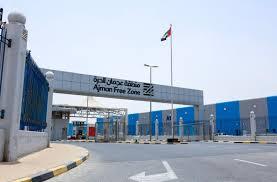
Quick answer: To correctly file financial statements for an Ajman Free Zone (AFZA) firm, you must prepare your annual financial reports using International Financial Reporting Standards (IFRS), have these records reviewed by an AFZA-approved auditor, and submit the final audited documents through the official online portal within six months of your company's financial year-end.
Operating a business within the Ajman Free Zone provides significant commercial advantages, including strategic location and infrastructure. However, these benefits come with strict regulatory responsibilities. The Ajman Free Zone Authority (AFZA) requires all registered companies to maintain transparent accounting records and submit annual audited reports.
Understanding the financial reporting process ensures your company remains in good standing. Many business owners overlook the specific timeline or formatting rules, which quickly leads to fines or trade license suspension. Getting your documents organized early prevents these operational disruptions.
This guide details the exact steps you need to take to manage your AFZA compliance. You will learn the specific documentation required, how to engage with approved auditors, and actionable tips to streamline your accounting cycle.
What are the exact requirements for Ajman Free Zone financial reporting?
The Ajman Free Zone Authority mandates that every registered company prepares comprehensive financial statements at the end of their financial year. These statements must include a balance sheet, an income statement, and a cash flow statement. Your company must draft these documents in accordance with International Financial Reporting Standards (IFRS).
Gathering and formatting this data takes considerable effort. You need to reconcile bank statements, log all invoices, and categorize your business expenses accurately. Because the reporting requirements are highly specific, many companies seek external assistance to ensure accuracy. Often, business owners consult the top business administrator consultants in dubai to help streamline their internal bookkeeping processes before the auditing phase begins.
Failure to follow the IFRS framework will result in your auditor rejecting the initial drafts. Your business must maintain these financial records for a minimum of five years. Storing your receipts, ledgers, and banking documents securely guarantees you have the necessary proof if the free zone authority requests a sudden review of your financial history.
How do you choose an approved auditor for your AFZA firm?
Once your financial statements are prepared, you cannot simply submit them directly to the free zone authority. AFZA regulations stipulate that an independent, third-party auditor must review and sign off on your financial reports. Crucially, you must select an auditing firm that is officially registered and approved by the Ajman Free Zone Authority.
The auditor evaluates your financial reporting Ajman processes to verify that your statements accurately reflect your company's financial health. They will check your general ledger, verify your asset valuations, and confirm that your revenue recognition aligns with local standards. Choosing the right auditing partner requires comparing their industry experience, fee structures, and turnaround times.
If you are unsure where to find a reputable auditor, you might ask for recommendations from the best business management consultants Dubai. These professionals regularly coordinate with certified auditing firms and can connect you with an auditor who understands the nuances of your specific industry. Ensure you engage an auditor at least two months before your filing deadline to give them ample time to conduct a thorough review.
What are the most helpful tips for stress-free financial filing?
Filing your financial statements does not have to be a stressful annual event. Implementing strong internal habits makes the audit requirements in UAE much easier to manage.
How can cloud accounting software improve accuracy?
Adopt a cloud-based accounting system rather than relying on manual spreadsheets. Software like Xero or QuickBooks automatically syncs with your business bank accounts, reducing human error. This software ensures your books are always up to date, making the final preparation of your income statements much faster.
Why should you schedule quarterly internal reviews?
Do not wait until the end of the financial year to review your accounts. Conduct internal financial reviews every three months. This practice helps you identify missing invoices or unexplained expenses early. By breaking the workload into manageable quarterly tasks, you prevent a massive backlog of administrative work during audit season.
When should you consider outsourcing your bookkeeping?
If your team lacks formal accounting expertise, hire professional accounting services UAE to manage your daily ledgers. An outsourced accountant ensures every transaction is correctly categorized according to IFRS standards. Choose an outsourced team if compliance accuracy matters more to you than minimizing immediate administrative costs.
How does the new tax landscape affect your filing?
Keep track of how your financial data relates to broader regulatory changes, such as the introduction of the UAE corporate tax. While filing free zone financial statements is a distinct process, the net profit calculations in your audited statements will directly inform your corporate tax liabilities. Clean data satisfies both the free zone authority and the Federal Tax Authority.
Next Steps for Your Ajman Free Zone Company
Filing your financial statements accurately is a fundamental part of maintaining your Ajman free zone company setup. By understanding the AFZA requirements, maintaining clean records throughout the year, and partnering with an approved auditor, you protect your business from compliance risks.
Start preparing for your next filing cycle today. Review your current bookkeeping software, confirm your financial year-end date, and begin researching AFZA-approved auditors in your sector to ensure a smooth reporting process.
Frequently Asked Questions
What is the deadline for filing financial statements in the Ajman Free Zone?
You must submit your audited financial statements within six months of the end of your company's financial year. For example, if your financial year ends on December 31st, your filing deadline is June 30th.
What are the penalties for late filing in AFZA?
Failing to submit your audited financial reports on time results in financial penalties. The free zone authority may also block your company from renewing its trade license or processing employee visas until the outstanding documents are submitted.
Can I use any auditor in the UAE for my Ajman Free Zone company?
No. You must use an auditor who is specifically listed on the Ajman Free Zone Authority's approved auditors roster. Statements signed by unapproved firms will be rejected by the authority.
Does a dormant AFZA company need to file financial statements?
Yes. Even if your company did not conduct any business transactions during the financial year, you must still submit audited financial statements showing zero operational activity to maintain your compliance status.
Categorie
Leggi tutto
Why Hair Transplant In Dubai Is Setting New Standards in Hair Restoration Hair loss is a common concern that affects both men and women, often impacting confidence and self-esteem. Fortunately, advancements in cosmetic procedures have made it possible to restore natural-looking hair with long-lasting results. Choosing a hair transplant in dubai has become a preferred option for...

Relocating to a new home or office can be a challenging task, especially when it involves packing, loading, transportation, unloading, and unpacking of belongings. Managing every stage of the move on your own can be stressful and time-consuming. This is why many individuals and businesses prefer professional door to door shifting in Gurgaon services. These services provide complete relocation...

Introduction Kumaon Bazaar presents this educational guide on Uttarakhand girl for marriage and Kumaoni girls to help readers understand the cultural values, traditions, family backgrounds and important considerations associated with matrimonial practices in the Kumaon region of Uttarakhand. Marriage is an important institution in Indian society and learning about regional customs can help...

In today's digital-first business landscape, organizations need reliable technology solutions to streamline operations, improve collaboration, and deliver exceptional customer experiences. Innovative Web Application Development Services empower businesses to build scalable, secure, and user-friendly web applications that automate workflows, enhance productivity, and support long-term growth....

Property owners in New York City are responsible for maintaining the sidewalks adjacent to their properties. When sidewalks become cracked, uneven, or damaged, the NYC Department of Transportation (DOT) may issue a violation notice. These violations can lead to fines, legal liabilities, and safety concerns if not addressed promptly. Hiring professional sidewalk violation removal...

