The Revenue Problem Most Companies Face: Sales Challenges Explained
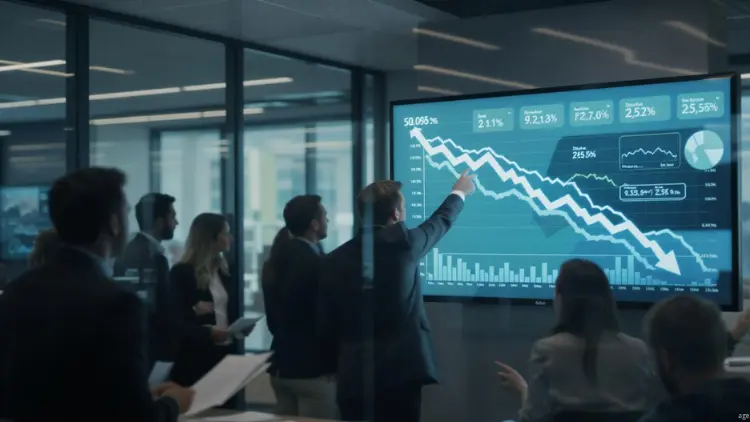
In today’s competitive business environment, generating consistent revenue has become more difficult than ever. Companies are investing heavily in marketing, technology, and outreach strategies, yet many still struggle to achieve predictable growth. The core issue often lies in underlying inefficiencies that create persistent sales challenges, preventing businesses from converting opportunities into stable revenue streams.
Sales performance is the foundation of business success. When it becomes inconsistent, the entire organization feels the impact, from cash flow and planning to customer retention and long term strategy.
Why Revenue Problems Are Increasing in Modern Markets
One of the main reasons companies face revenue instability is the rapid shift in buyer behavior. Customers are now more informed, selective, and independent in their decision making process.
Before engaging with sales teams, buyers conduct extensive research, compare competitors, and evaluate multiple solutions. This reduces the effectiveness of traditional selling methods and increases the need for personalized engagement.
At the same time, competition has intensified across industries. Businesses are no longer competing only on product quality but also on experience, trust, and communication.
Longer decision cycles and multi stakeholder approvals further slow down conversions, making revenue less predictable.
Weak Conversion Systems Create Revenue Leakage
Many businesses generate strong interest but fail to convert that interest into paying customers. This gap between lead generation and conversion is one of the biggest causes of revenue problems.
Leads often enter the pipeline but are not properly nurtured or followed up. Sales teams may struggle with prioritization, focusing on low intent prospects instead of high value opportunities.
Without structured conversion systems, potential revenue is lost at multiple stages of the customer journey.
Improving follow up processes and engagement strategies is essential for reducing leakage and increasing conversion efficiency.
Sales Pipeline Inefficiencies Disrupt Forecasting
A healthy sales pipeline ensures predictable revenue. However, many companies operate with inconsistent or poorly managed pipelines.
When pipeline data is inaccurate or incomplete, forecasting becomes unreliable. Leadership teams struggle to predict future revenue, which affects budgeting and planning.
This uncertainty forces businesses into reactive decision making rather than proactive growth strategies.
Over time, this weakens overall business stability and limits expansion opportunities.
Customer Acquisition Becomes More Expensive
Another major revenue problem caused by sales challenges is rising customer acquisition costs.
When conversion rates decline, businesses must invest more in marketing and outreach to achieve the same results.
However, increasing spending does not guarantee improved performance if underlying sales inefficiencies are not addressed.
This leads to a situation where companies generate more leads but convert fewer customers, reducing overall return on investment.
Misalignment Between Teams Reduces Efficiency
A common internal issue contributing to revenue problems is misalignment between marketing and sales teams.
Marketing focuses on generating leads, while sales focuses on closing deals. Without coordination, this creates gaps in the customer journey.
Sales teams may find leads irrelevant, while marketing teams may feel that follow up processes are ineffective.
This disconnect leads to wasted resources and lower conversion rates.
Aligning both teams around shared revenue goals improves consistency and performance.
Customer Trust Directly Impacts Revenue
Trust plays a critical role in purchasing decisions. Even if a business has strong leads, lack of trust can prevent conversions.
Poor communication, delayed responses, and inconsistent messaging reduce customer confidence.
In digital markets, customers can quickly switch to competitors if they feel uncertain about a brand.
Building trust requires consistent engagement, transparency, and value driven communication throughout the sales process.
Technology Gaps Limit Revenue Growth
Many businesses still rely on outdated systems for managing sales operations.
Without automation and analytics, it becomes difficult to track performance or optimize the sales funnel.
Sales teams lack visibility into customer behavior, making it harder to improve conversion strategies.
Modern CRM systems and data driven tools can significantly improve efficiency and revenue outcomes when used effectively.
Competitive Pressure Intensifies Revenue Challenges
As markets become more saturated, competition increases significantly.
New and existing competitors are constantly improving their sales processes, pricing strategies, and customer engagement models.
Businesses that fail to adapt risk losing market share to more agile competitors.
Over time, this creates a widening gap between high performing companies and those struggling with sales challenges.
Important Business Insight
Revenue problems are rarely caused by a single issue. They are the result of multiple interconnected factors including sales inefficiencies, weak systems, poor alignment, and changing customer behavior.
Companies that address these challenges holistically are more likely to build predictable revenue systems and achieve long term stability.
Businesses that continuously optimize sales processes, improve customer engagement, and strengthen internal coordination are better positioned for sustainable growth in competitive markets.
BusinessInfoPro helps entrepreneurs and professionals grow with practical insights, strategies, and tools. We simplify business, marketing, and operations to turn challenges into opportunities. Your success is our focus.
Categorias
Leia Mais
Looking for reliable waste nanagement services in Melbourne? Stows has been delivering professional waste management solutions for more than 120 years, earning a reputation for exceptional service, industry expertise, and environmental responsibility. Our experienced team provides tailored waste collection, recycling, disposal, and resource recovery solutions for residential, commercial,...
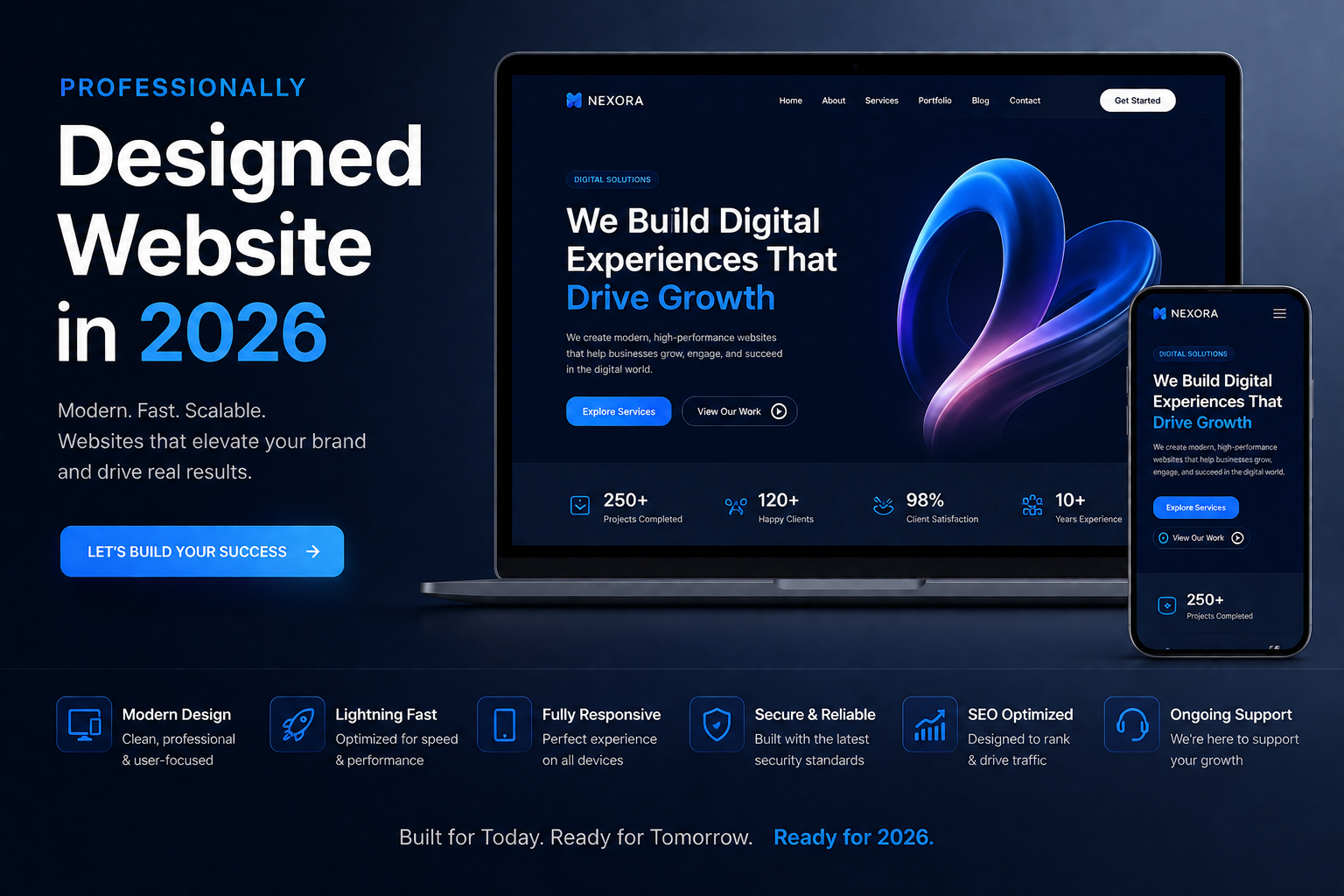
In today's digital-first economy, a professionally designed website is no longer a luxury—it's a necessity. As we move further into 2026, businesses of all sizes are facing increasing competition online, making it more important than ever to establish a strong digital presence. Whether you run a small local business, an eCommerce store, or a large enterprise, your website serves as the...
MMOEXP offers one of the most reliable solutions for purchasing game currency, items,accounts, and more.You can now use the exclusive discount code "east" to enjoy a 8% discount. Tired of running out of rolls and falling behind in Monopoly Go? Wondering how top players unlock endless rewards, rank up fast, and dominate the board effortlessly? Monopoly Go Dice is the foundational element...

Jalan Diary: Adventures Worth Remembering Every journey has a story waiting to be told. Whether it’s a weekend getaway, a cross-country road trip, or an international adventure, the experiences we collect along the way become some of life’s most treasured memories. While photographs capture moments, they often miss the emotions, conversations, and personal reflections that make...