How Nursing and Rehab Supports Recovery Following Serious Cardiovascular Events
A serious cardiovascular event can change a senior’s life in an instant. Whether it involves a heart attack, heart surgery, complications from heart failure, or another cardiac-related condition, recovery often requires much more than a hospital stay. The weeks and months that follow are critical for rebuilding strength, restoring confidence, and reducing the risk of future health complications.
Many families turn to professional nursing and rehab services after a cardiovascular event because recovery requires a combination of medical oversight, rehabilitation therapy, lifestyle support, and personalized care. At Regency Senior Living, seniors receive compassionate support designed to help them regain independence and improve their overall quality of life during recovery.
Understanding Serious Cardiovascular Events
Cardiovascular disease remains one of the most common health concerns among older adults. Conditions affecting the heart and blood vessels can lead to major medical events that require immediate treatment and long-term recovery support. These events may include heart attacks, congestive heart failure episodes, coronary artery bypass surgery, heart valve replacement procedures, cardiac arrhythmias, strokes related to cardiovascular disease, and complications associated with peripheral artery disease.
Although hospital treatment addresses the immediate medical emergency, recovery often continues long after discharge. Many seniors experience weakness, reduced stamina, mobility limitations, and concerns about returning to everyday activities. This is where skilled nursing and rehabilitation services become an essential part of the healing process.
Why Recovery After a Cardiovascular Event Is So Important
The period immediately following a cardiovascular event is often referred to as the recovery or post-acute phase. During this time, the body is healing while adjusting to significant physical and emotional changes.
Without proper support, seniors may experience fatigue, weakness, reduced endurance, mobility challenges, medication-related concerns, emotional stress, and difficulty managing chronic health conditions. These challenges can increase the likelihood of hospital readmissions and delay recovery. Structured rehabilitation helps address these concerns while promoting a safer and more successful healing process.
The Role of Skilled Nursing in Cardiovascular Recovery
Medical oversight is often essential after a serious cardiac event. Skilled nursing professionals monitor health status, assist with treatment plans, and help ensure seniors remain on track throughout their recovery journey.
Ongoing Health Monitoring
Following hospitalization, healthcare teams closely observe important indicators such as blood pressure, heart rate, oxygen levels, weight changes, fluid retention, and symptoms that may indicate cardiac distress. Early identification of concerns allows healthcare providers to intervene quickly, helping prevent complications and reducing the likelihood of returning to the hospital.
At Regency Senior Living, ongoing monitoring provides families with peace of mind by ensuring residents receive timely attention when needed.
Medication Management
Many cardiac patients leave the hospital with new medications or adjusted treatment plans. These medications may include blood pressure medications, blood thinners, cholesterol-lowering drugs, diuretics, or medications that help regulate heart rhythm.
Skilled nursing professionals ensure medications are administered correctly while monitoring for side effects, interactions, and effectiveness. Proper medication management plays a significant role in supporting recovery and maintaining cardiovascular health.
Managing Chronic Conditions
Many seniors recovering from cardiovascular events also live with chronic conditions such as diabetes, kidney disease, or hypertension. Comprehensive nursing care helps coordinate treatment plans that support both recovery and overall wellness. Managing these conditions effectively can improve outcomes and reduce additional health risks.
Physical Rehabilitation After a Cardiac Event
Recovery involves more than healing the heart. Seniors often need to rebuild strength, endurance, and confidence after prolonged illness or hospitalization. Physical rehabilitation plays a central role in helping individuals regain function and independence.
Rebuilding Physical Strength
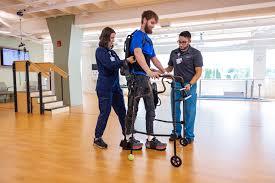
Extended hospital stays frequently result in muscle loss and reduced mobility. Physical therapists develop personalized exercise programs that focus on increasing strength, improving endurance, enhancing flexibility, restoring functional movement, and reducing fatigue.
Exercises are introduced gradually and adjusted according to each individual's health status and recovery goals. This personalized approach helps seniors make steady progress while avoiding unnecessary strain.
Improving Mobility and Balance
Many cardiovascular patients experience weakness that affects their ability to walk safely and perform daily activities. Therapy programs focus on improving walking endurance, enhancing balance, strengthening coordination, and teaching safe movement techniques.
As mobility improves, seniors often regain greater independence and confidence in their ability to navigate daily life safely.
Cardiac Rehabilitation and Functional Recovery
Cardiac rehabilitation involves structured activities designed to improve heart health and overall physical function. While every recovery plan is unique, the primary goals typically include increasing cardiovascular endurance, improving circulation, encouraging safe physical activity, reducing future cardiac risks, and supporting long-term wellness.
By participating in supervised rehabilitation programs, seniors often gain confidence in their ability to return to everyday activities while improving their overall health.
Gradual Activity Progression
One of the biggest concerns after a heart-related event is determining how much activity is safe. Healthcare professionals carefully monitor progress and gradually increase activity levels to avoid overexertion while encouraging improvement.
This balanced approach supports recovery while protecting cardiovascular health and helping seniors achieve meaningful milestones.
The Importance of Nutrition During Recovery
Nutrition plays a major role in cardiovascular rehabilitation. The body requires proper nutrients to heal, maintain energy, and support heart function.
Recovery plans often emphasize heart-healthy foods, lean proteins, fruits, vegetables, whole grains, reduced sodium intake, and proper hydration. These nutritional choices can contribute to improved cardiovascular health and support long-term wellness.
Supporting Sustainable Lifestyle Changes
Recovery often presents an opportunity to adopt healthier habits. Nutrition professionals and healthcare teams help seniors understand practical dietary adjustments that support ongoing heart health without feeling restrictive.
At Regency Senior Living, nutritional support is integrated into recovery plans to help residents build healthy habits that can benefit them long after rehabilitation is complete.
Emotional Recovery Following a Cardiovascular Event
Serious health events can affect emotional well-being just as much as physical health. Many seniors experience anxiety, fear, uncertainty, frustration, or depression during recovery.
These emotions are normal and can influence recovery outcomes if left unaddressed. Emotional support is an important component of comprehensive rehabilitation.
Restoring Confidence
After a heart attack or major cardiac procedure, some individuals become hesitant to resume normal activities. Rehabilitation helps rebuild confidence by demonstrating safe ways to remain active and independent.
As seniors achieve recovery milestones, they often feel more comfortable participating in daily routines and engaging in activities they enjoy.
The Value of Social Support
Isolation can negatively impact both mental and physical recovery. Supportive rehabilitation environments encourage social interaction, helping seniors stay engaged and connected throughout the healing process.
The caring atmosphere at Regency Senior Living promotes meaningful connections that can positively influence emotional well-being and recovery outcomes.
Preventing Future Cardiovascular Complications
One of the primary goals of nursing and rehabilitation services is reducing the risk of future health events. Recovery programs focus on medication adherence, lifestyle education, physical activity, nutrition improvement, chronic disease management, and ongoing health monitoring.
These efforts help create a strong foundation for long-term heart health while empowering seniors to take an active role in their wellness journey.
Family Involvement in the Recovery Process
Family members frequently play an important role in successful cardiovascular recovery. Loved ones can support rehabilitation by encouraging participation in therapy, learning about treatment plans, promoting healthy lifestyle choices, attending care meetings, and providing emotional encouragement.
Collaboration between families and healthcare teams often leads to more positive outcomes and a smoother recovery experience.
Planning for a Safe Return Home
Returning home is a major milestone for many seniors recovering from cardiovascular events. Discharge planning helps ensure individuals are prepared for the next phase of recovery.
This process may involve home safety recommendations, medication guidance, follow-up appointments, therapy continuation plans, and caregiver education. A thoughtful transition plan supports continuity of care and helps reduce unnecessary setbacks.
Long-Term Benefits of Nursing and Rehab After a Cardiac Event
Recovery from a serious cardiovascular event is rarely complete when a hospital stay ends. Many seniors require ongoing support to regain strength, improve endurance, and rebuild confidence.
Professional nursing and rehabilitation services provide the structured environment necessary to address physical, emotional, and medical recovery needs. Through personalized care plans, therapy programs, medication management, and wellness support, seniors can work toward meaningful recovery goals while improving their overall quality of life.
Serious cardiovascular events can be life-changing, but they do not have to define the future. With proper medical care, rehabilitation, and ongoing support, many older adults successfully regain independence and continue living active, fulfilling lives. Regency Senior Living is committed to helping seniors navigate recovery with compassionate care, professional guidance, and personalized rehabilitation services designed to support long-term health and wellness.
Κατηγορίες
Διαβάζω περισσότερα
Vitamin deficiency causes harm to every system of the body because vitamins are important for metabolism, energy production, and brain function. Vitamin B12 and Folate Blood Test: This is a simple blood test to diagnose vitamin B12 and folate deficiencies, causing your physical and mental health disorders. Vitamin B12 and folate are Essential nutrients that aid in the formation of red blood...
A fresh coat of paint can completely transform the appearance of your home or commercial property. Whether you're looking to modernize your living space, improve curb appeal, or protect your building from everyday wear and tear, choosing a professional Painting Company in Lancaster County is one of the best investments you can make. Experienced painters deliver high-quality craftsmanship,...

Introduction A fresh coat of paint can completely change the appearance, atmosphere, and value of any property. Butchers Custom Painting represents the perfect combination of creativity, skill, and attention to detail, helping homeowners and businesses create beautiful spaces that reflect their style. Whether it is an interior makeover, exterior improvement, or a unique custom design,...

Aging is a natural process, but many people want to maintain their energy, skin health, and overall well-being as they grow older. Modern wellness treatments are making it easier to support the body's natural functions without surgery or lengthy recovery periods. Among these innovative options, Peptides Therapy in Islamabad has gained attention for its potential to promote healthy aging by...