


COVID Day by Day Symptoms 2026: Understanding the Recovery Timeline
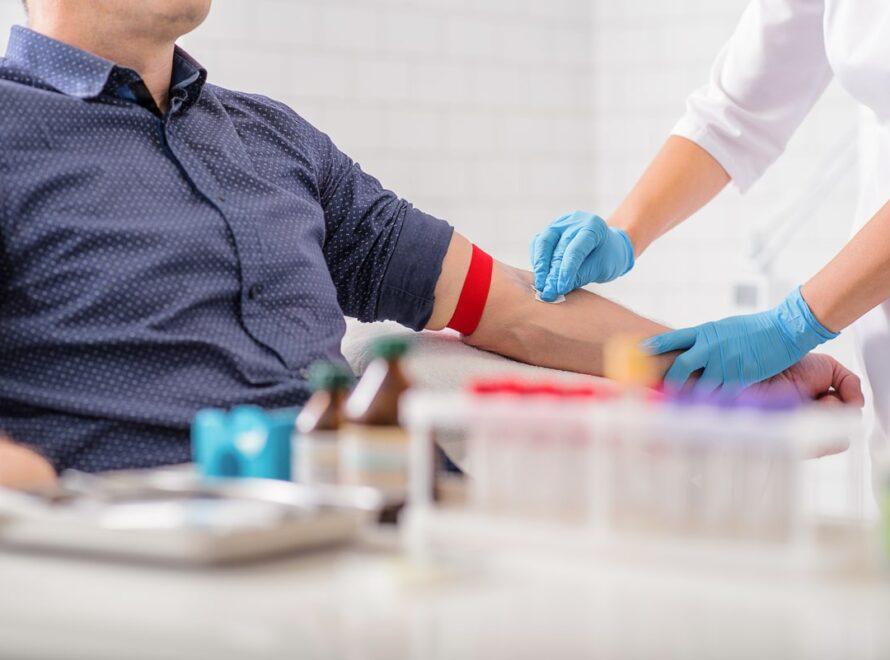
COVID-19 continues to affect people around the world, although the symptoms and severity of infections have evolved over time. Many individuals now experience symptoms that resemble a common cold or seasonal respiratory illness. Understanding COVID day by day symptoms 2026 can help patients recognize early signs of infection, monitor symptom progression, and know when to seek medical attention.
While every person's experience is different, most COVID infections follow a similar pattern during the first two weeks. Factors such as age, vaccination status, overall health, and immune response can influence the severity and duration of symptoms.
Day 1: Early Symptoms Begin
For many people, COVID starts with mild symptoms that may seem insignificant at first.
Common Day 1 symptoms include:
- Scratchy throat
- Mild fatigue
- Runny nose
- Slight headache
- Occasional cough
Many individuals initially assume they have allergies or a common cold.
Day 2: Symptoms Become More Noticeable
By the second day, symptoms often become easier to recognize.
Patients may experience:
- Increased fatigue
- Sore throat
- Nasal congestion
- Body aches
- Mild fever
Energy levels may begin to decline as the immune system responds to the infection.
Day 3: Illness Progresses
The third day often marks a noticeable increase in symptoms.
Common symptoms include:
- Persistent cough
- Fever
- Chills
- Headache
- Muscle aches
- Reduced appetite
Many patients choose to rest at home and limit physical activity during this stage.
Day 4: Peak Symptom Development
COVID day by day symptoms 2026 frequently intensify around the fourth day.
Patients may notice:
- Stronger cough
- Increased congestion
- Significant fatigue
- Fever
- Sleep disruption
This period can feel particularly challenging as the body continues fighting the infection.
Day 5: Peak Illness Stage
For many individuals, Day 5 represents one of the most uncomfortable phases of infection.
Common symptoms include:
- Persistent coughing
- Body aches
- Fever
- Severe tiredness
- Nasal congestion
Hydration and rest become especially important during this stage.
Day 6: Early Improvement
Some patients begin noticing small improvements around Day 6.
Possible signs include:
- Reduced fever
- Improved appetite
- Less severe body aches
- Better sleep quality
However, fatigue often remains significant.
Day 7: One Week After Symptoms Begin
By the end of the first week, many individuals start recovering.
Lingering symptoms may include:
- Mild cough
- Congestion
- Headaches
- Fatigue
Daily activities may become easier, although full recovery has not yet occurred.
Days 8–9: Gradual Recovery
The second week often brings continued improvement.
Common experiences include:
- Better breathing
- Reduced congestion
- Increased energy
- Less coughing
Most patients begin feeling noticeably better during this phase.
Day 10: Significant Improvement
COVID day by day symptoms 2026 frequently show major improvement by Day 10.
Remaining symptoms may include:
- Mild cough
- Occasional fatigue
- Reduced stamina
Many acute symptoms have usually resolved by this point.
Days 11–12: Recovery Continues
The body continues healing throughout the second week.
Some patients may still experience:
- Dry cough
- Mild tiredness
- Temporary loss of taste or smell
- Occasional headaches
Symptoms generally continue improving each day.
Days 13–14: End of Acute Illness
For most individuals, the acute phase of COVID ends during this period.
Common improvements include:
- Normal body temperature
- Better energy levels
- Reduced congestion
- Improved breathing
- Return to regular activities
Many people feel close to fully recovered by Day 14.
Symptoms That May Last Beyond Two Weeks
Although most individuals recover within two weeks, some symptoms may linger.
Fatigue
Low energy levels may continue for several weeks.
Persistent Cough
A mild cough often remains after other symptoms disappear.
Brain Fog
Some individuals experience temporary difficulty concentrating.
Reduced Endurance
Exercise and physical activity may feel more challenging during recovery.
These symptoms usually improve gradually over time.
Factors That Affect COVID Recovery
Not everyone experiences the same timeline.
Recovery may depend on:
- Age
- Overall health
- Immune system function
- Vaccination history
- Severity of infection
- Presence of chronic medical conditions
Some individuals recover quickly, while others require additional time.
Managing Symptoms at Home
Many COVID cases can be managed through supportive care.
Helpful recovery strategies include:
Stay Hydrated
Drinking fluids helps support the body's healing process.
Get Adequate Rest
Sleep plays a critical role in recovery.
Monitor Symptoms
Pay attention to changes and seek medical advice if symptoms worsen.
Eat Nutritious Foods
Proper nutrition supports immune function and overall recovery.
Follow Healthcare Guidance
Consult medical professionals if symptoms become severe or persist longer than expected.
When to Seek Medical Attention
Most COVID infections improve without hospitalization. However, certain symptoms require immediate evaluation.
Seek medical care if you experience:
- Difficulty breathing
- Persistent chest pain
- Severe dehydration
- Confusion
- High fever that does not improve
- Bluish lips or face
Prompt medical attention can help prevent serious complications.
Why Understanding COVID Day by Day Symptoms 2026 Matters
Knowing what to expect throughout the course of illness can help reduce anxiety and improve decision-making. Understanding symptom progression allows individuals to monitor their condition more effectively and seek care when necessary.
Awareness also helps patients take appropriate precautions to protect family members, coworkers, and others from potential exposure.
Conclusion
Understanding COVID day by day symptoms 2026 provides valuable insight into how the illness typically progresses from Day 1 through Day 14. While symptoms vary between individuals, most cases begin with mild respiratory symptoms, peak during the first week, and gradually improve during the second week.
By monitoring symptoms carefully, staying hydrated, getting adequate rest, and seeking medical attention when needed, individuals can support a smoother recovery and protect their overall health.
Categorie
Leggi tutto
The healthcare industry is experiencing significant changes as more patients seek convenient, personalized, and accessible treatment options. Oral Therapy At Home In Dubai has gained popularity as an effective healthcare service that allows individuals to receive professional assistance with oral medications and treatment plans without frequent clinic visits. This growing demand is...

In today's digital-first business landscape, organizations need reliable technology solutions to streamline operations, improve collaboration, and deliver exceptional customer experiences. Innovative Web Application Development Services empower businesses to build scalable, secure, and user-friendly web applications that automate workflows, enhance productivity, and support long-term growth....

Luxury handbags are more than beautiful accessories—they are investments in craftsmanship, style, and timeless fashion. While trends come and go, certain designer bags continue to capture the attention of fashion lovers year after year. Their iconic designs, premium materials, and versatility make them wardrobe essentials...

Choosing the right healthcare provider is essential for maintaining your overall well-being. Cecilio Gonzales, FNP-C, PMHNP-BC, at Ark Medical of Las Vegas, is dedicated to delivering compassionate, patient-centered care for individuals and families through comprehensive primary care and mental health services. Whether you need preventive care, treatment for an illness, or long-term...

