Everything You Need to Know About the C_ABAPD Certification

Ask a room full of SAP professionals what keeps enterprise systems running, and you'll hear a surprising number of answers. Databases. Infrastructure. Cloud services.
Then someone in the back usually says, "ABAP."
And they're not wrong.
For decades, ABAP has quietly powered business processes for some of the world's largest organizations. It's not flashy. It rarely trends on social media. Yet millions of transactions—from payroll processing to supply chain management—continue to rely on developers who understand how SAP systems behave beneath the surface.
That makes ABAP expertise incredibly valuable, especially in a world increasingly focused on SAP S/4HANA transformations.
Why the C_ABAPD Certification Matters
The technology industry loves change. Enterprises, however, tend to love stability.
SAP sits at the intersection of those two realities. Organizations modernize continuously while still depending on systems that must remain available 24 hours a day, seven days a week.
This is where C_ABAPD becomes relevant. The certification validates foundational and practical knowledge of ABAP development concepts, helping candidates demonstrate their ability to work effectively within SAP environments.
A former SAP consultant once told me, "Companies don't pay you to write code. They pay you to keep business moving."
That's the real job.
Who Should Consider This Certification?
The certification is particularly useful for:
-
Aspiring SAP developers who want to establish credibility before entering a market that values both technical expertise and enterprise experience.
-
Existing ABAP programmers looking to validate their skills while preparing for larger responsibilities involving SAP S/4HANA implementations and migrations.
-
Consultants supporting clients through digital transformation projects where custom development and system integrations play a significant role.
SAP isn't a niche anymore. In many industries, it's infrastructure.
Understanding the Exam Structure
Before opening a textbook or launching a practice exam, it's worth understanding what the certification actually measures.
SAP certification exams generally focus on practical knowledge. They're less interested in whether you've memorized terminology and more interested in whether you understand how concepts connect in real environments.
Candidates can expect questions related to:
|
Domain |
Focus Area |
|
ABAP Fundamentals |
Syntax, programming concepts, and structures |
|
Data Dictionary |
Tables, views, and data elements |
|
Reports |
Classical and interactive reporting |
|
Modularization |
Function modules and reusable code |
|
Object-Oriented ABAP |
Classes, methods, and inheritance |
|
Debugging |
Troubleshooting and error analysis |
Notice a pattern?
These aren't academic topics. They're the same concepts developers encounter every week.
What Makes the Exam Challenging?
It's rarely the coding itself.
Most candidates find the breadth of the material more challenging than the complexity.
Common difficulties include:
-
Balancing traditional ABAP concepts with modern development practices that continue evolving alongside SAP's broader technology ecosystem.
-
Understanding object-oriented programming principles and recognizing when they provide advantages over procedural approaches within enterprise applications.
-
Managing time effectively during preparation, particularly for professionals balancing full-time responsibilities with certification goals and personal commitments.
The exam rewards consistency, not cramming.
Essential Topics Every Candidate Should Master
If you're wondering where to focus your efforts, start with the fundamentals.
Strong foundations tend to age well.
ABAP Programming Concepts
Every successful candidate develops confidence in core programming principles.
Spend time understanding:
-
Variables, internal tables, and loops, as these concepts appear frequently in both examination objectives and practical development scenarios.
-
Selection screens and reporting techniques commonly used to present business data in formats that stakeholders can easily understand and utilize.
-
Data manipulation practices that allow developers to retrieve, process, and display information efficiently across various SAP modules.
It sounds simple. Until you're staring at a block of code at midnight wondering why a field symbol refuses to cooperate.
That's part of the experience.
Object-Oriented ABAP
Modern SAP development increasingly emphasizes object-oriented principles.
Focus on:
-
Classes and objects.
-
Methods and attributes.
-
Inheritance.
-
Interfaces.
-
Exception handling.
Understanding these concepts doesn't just help you pass an exam—it helps you write better software.
Debugging and Troubleshooting
Here's a truth every developer eventually learns:
You will spend more time reading code than writing it.
Debugging skills are essential because they teach you how systems think. Or at least how they fail.
Practice:
-
Identifying runtime errors and tracing their origins through debugging tools designed to simplify analysis within complex SAP environments.
-
Examining execution flows to better understand how applications process data across interconnected components and business processes.
-
Interpreting system messages and logs to resolve issues quickly while minimizing disruptions to users and operational workflows.
Debugging isn't glamorous. It is, however, a superpower.
Building an Effective Study Plan
Let's avoid unrealistic advice.
You probably aren't studying eight hours a day.
A practical schedule might look like this:
|
Week |
Objective |
|
Week 1 |
Review exam objectives |
|
Week 2 |
Study ABAP fundamentals |
|
Week 3 |
Practice reports and Data Dictionary |
|
Week 4 |
Focus on Object-Oriented ABAP |
|
Week 5 |
Complete practice assessments |
|
Week 6 |
Review weak areas |
Simple schedules tend to survive contact with reality.
Recommended Study Resources
Candidates preparing for SAP certifications should prioritize:
-
Official SAP Learning materials that align closely with certification objectives and reflect current development practices within the SAP ecosystem.
-
Hands-on development environments where concepts can be tested repeatedly until they become familiar and intuitive under real-world conditions.
-
Community forums and study groups that provide practical insights from professionals who have already navigated the certification process successfully.
https://boost2certify.com/product-category/aace-international/
Learning from others remains one of the fastest ways to improve.
Career Opportunities After Certification
The SAP ecosystem is vast.
Professionals with ABAP expertise frequently pursue roles such as:
|
Position |
Potential Advancement |
|
ABAP Developer |
Senior SAP Developer |
|
SAP Consultant |
Lead Consultant |
|
Technical Analyst |
Solutions Architect |
|
SAP Engineer |
Development Manager |
Interestingly, many organizations continue struggling to find experienced SAP talent despite ongoing digital transformation initiatives.
Before concluding, it's important to recognize that C_ABAPD represents more than an exam code. It serves as evidence that a candidate understands one of the most enduring technologies in enterprise computing.
And that still means something.
Conclusion
Technology trends come and go.
ABAP, meanwhile, continues quietly powering businesses around the world.
Perhaps that's why SAP professionals tend to stay in demand. They understand systems that organizations cannot afford to replace overnight. They speak both the language of technology and the language of business.
For candidates willing to invest the time, the C_ABAPD certification offers a meaningful opportunity to strengthen their expertise, improve their career prospects, and build confidence within the SAP ecosystem.
Not a bad return for a few months of studying.
Frequently Asked Questions
1. What is the C_ABAPD certification?
The C_ABAPD certification validates knowledge of ABAP programming concepts and demonstrates a candidate's ability to work effectively within SAP environments.
2. Is the C_ABAPD exam difficult?
The exam is considered moderately challenging due to its broad coverage of ABAP concepts, object-oriented programming, and practical SAP development principles.
3. How long does it take to prepare for C_ABAPD?
Most candidates spend four to eight weeks preparing, depending on their previous SAP experience and familiarity with ABAP development.
4. Is C_ABAPD certification worth it?
Yes. The certification can enhance credibility, improve career opportunities, and provide valuable recognition within the global SAP professional community.
Категории
Больше
If you're looking for a gaming platform that offers much more than traditional lottery games, 82 Lottery Download APK is worth exploring. One of the biggest reasons many players enjoy this platform is the wide variety of games available in a single app. Instead of limiting users to one category, it brings together lottery games, colour prediction games, slot machines, fishing games, and several...

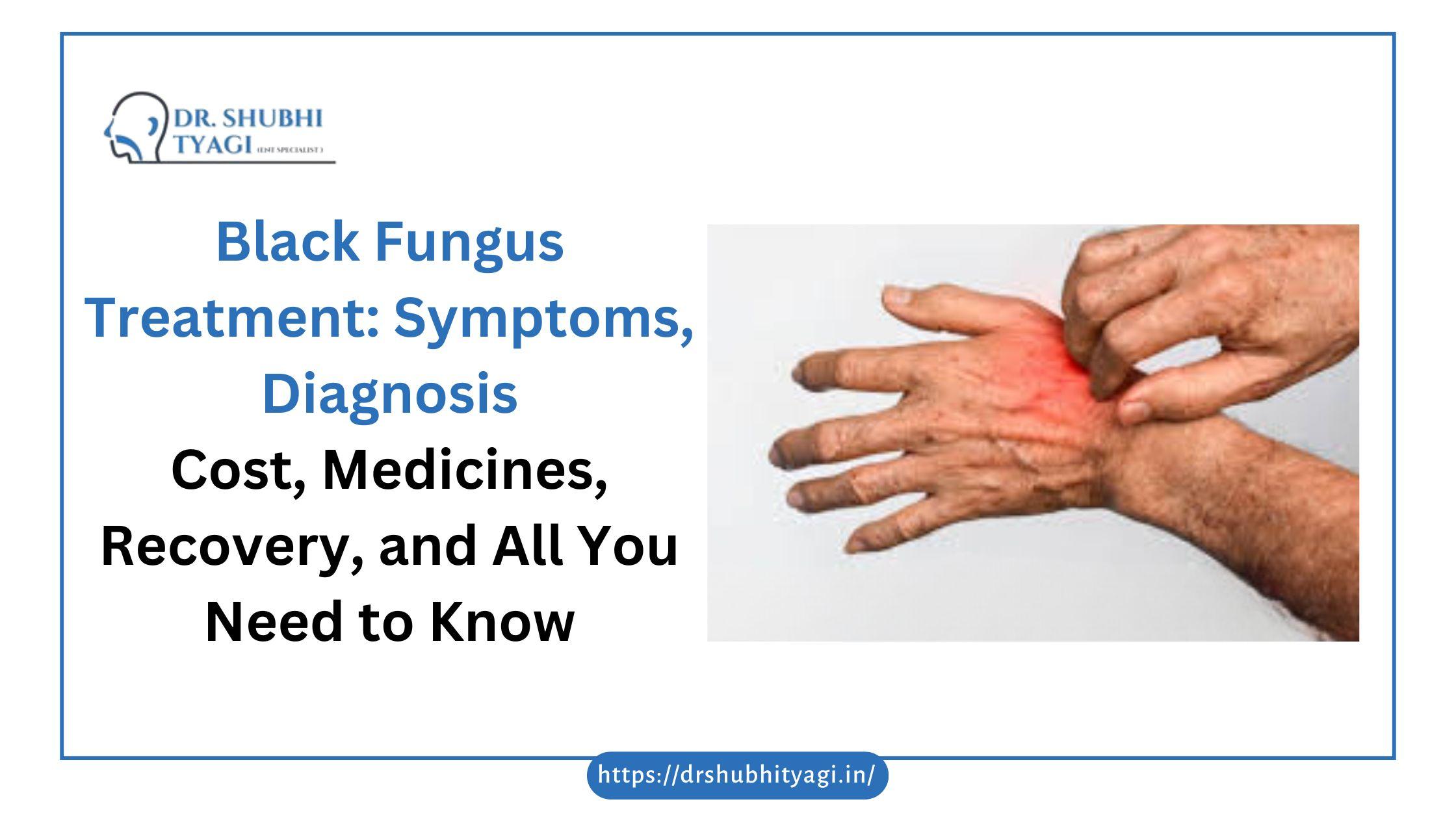
Black fungus, medically called mucormycosis, is a rare but serious fungal infection that can rapidly affect the nose, sinuses, eyes, lungs, and even the brain if not treated promptly. During the COVID-19 pandemic, awareness about black fungus increased significantly because many patients with weakened immunity developed this life-threatening condition. The infection requires immediate medical...
The automotive industry depends on technology more than ever. From managing inventory and processing customer information to supporting financing systems and service departments, every part of a dealership relies on dependable IT. Auto dealer IT support helps dealerships maintain secure systems, minimize downtime, and improve operational efficiency. Whether you operate a single showroom or...

Introduction Retail businesses across California face a variety of security challenges, including shoplifting, employee theft, vandalism, organized retail crime, and disruptive behavior. These issues can impact profitability, customer experience, and overall business operations. Hiring professional Retail Security Guards California is one of the most effective ways to protect retail stores,...