Women's Business Casual Dresses: A Real Guide to Dressing for Work Without the Guesswork
I still remember the email. New job, three days in, and my manager mentioned casually that Thursday was a "client-facing day, so dress business casual." I stood in front of my closet that night with zero idea what that actually meant. Suit felt like too much. Jeans felt like way too little. That gap in the middle is where most of us get stuck, and it's exactly why dresses have quietly become the smartest shortcut in a work wardrobe.
A good dress solves the whole outfit in one decision. No matching separates, no wondering if the blazer clashes with the trousers. Just one piece that, if you pick it right, looks intentional whether you're presenting to a client or grabbing coffee before a 9am standup.
I've spent the better part of ten years in retail and apparel, working with brands and smaller makers on exactly this kind of problem, helping women figure out what actually works day to day, not just what looks good on a mannequin. So this isn't theory. It's what I've learned watching real dresses succeed or fail in real closets.
So What Does "Business Casual" Even Mean, Practically Speaking?
Honestly, it depends who you ask, and that's part of the frustration. But if you strip away the industry-by-industry variation, there's a pattern. Knee-length or midi. Fabric with some structure to it. Necklines that don't need constant adjusting. Sleeveless is usually safe. Strapless usually isn't, unless there's a blazer doing damage control over it.
It's less a rulebook and more a vibe you learn to recognize, the same way you can spot a "casual Friday" outfit from across the office without anyone explaining the dress code to you.
Wait, Is a Sundress Business Casual?
Short answer: not really. Most sundresses are built for the beach, not the boardroom, thin cotton, spaghetti straps, that breezy silhouette that reads "vacation" the second you walk in. Swap it for a shirt dress or a sheath in a similar lightweight fabric and you keep the summer comfort without anyone raising an eyebrow.
Business Casual vs. Smart Casual | What's Actually Different?
People use these interchangeably and it drives me a little crazy. Business casual stays conservative, it's built for the office, for client meetings, for the stuff you do five days a week. Smart casual has more room to breathe. Bolder prints, trendier cuts, pieces that could pull double duty at dinner after work. If in doubt, business casual is the safer, more corporate cousin.
The Dress Styles Worth Actually Owning
Not every silhouette translates to office life, and honestly, some dresses that look amazing on Instagram fall apart the second you sit down for a two-hour meeting. A few styles, though, have basically earned permanent office citizenship.
The Sheath Dress
This is the workhorse. Fitted through the body but not clingy, structured enough to look sharp on its own, plain enough to dress up with a blazer or a bold necklace. If I had to keep exactly one dress style in my closet forever, it'd be this one.
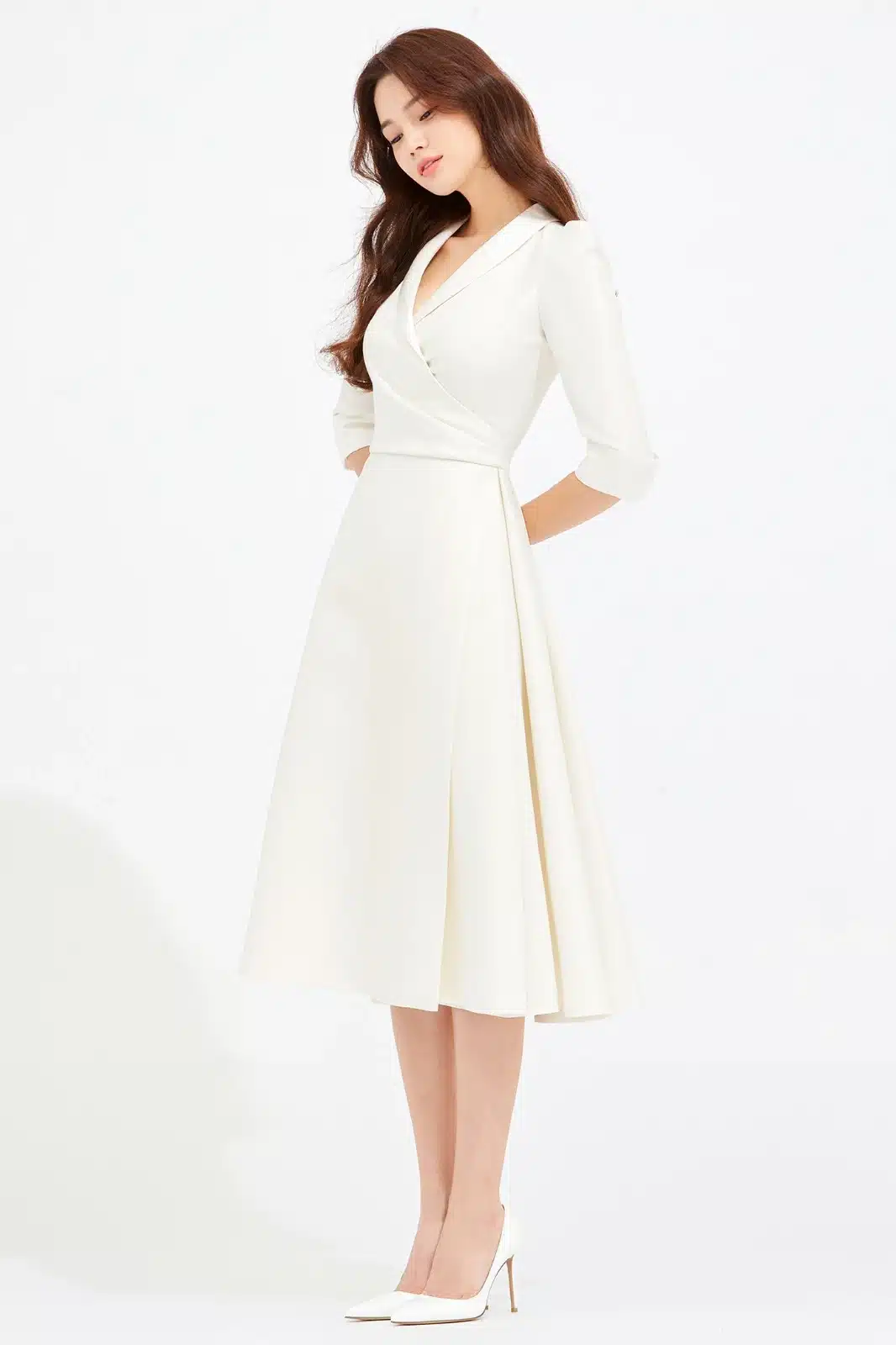
The Wrap Dress
Wrap dresses are forgiving in a way most office clothes just aren't. The tie adjusts to your body, not the other way around, which matters after a heavier lunch or during a stretch where your weight's fluctuating. I've recommended these more than almost anything else to women who say they "hate how dresses fit", because usually it's not the dress, it's that nothing's ever adjustable.
The Shirt Dress
Somewhere between a button-down and an actual dress, and it might be the most underrated piece in this whole category. Roll the sleeves and leave it loose for a low-key Wednesday. Add a thin belt and heels and suddenly it's presentation-ready. Same dress, completely different day.
A Quick Side-by-Side
| Style | Best For | Fit | Formality |
|---|---|---|---|
| Sheath | Client meetings, presentations | Fitted | Leans dressier end of business casual |
| Wrap | Long days, changing body shapes | Adjustable | Middle of the road |
| Shirt Dress | Layering, warmer offices | Relaxed | Casual base, dresses up fast |
Actually Styling the Thing
A dress is only half the outfit, what you put around it decides whether people clock it as "put together" or "just left the house without thinking."
Layers That Do the Heavy Lifting
Blazers are basically a cheat code. Throw one over the plainest dress and suddenly you look like you run the meeting instead of just sitting in it. Cardigans work too, especially in more relaxed or creative offices where a blazer can feel a little stiff or overdressed.
Fabric matters here more than people realize. A stiff ponte knit or cotton blend holds its shape under a jacket far better than soft jersey, which tends to bunch up under the arms after an hour.
Shoes, Jewelry, All the Small Decisions
Closed-toe pumps are the classic safe pick, but loafers and pointed flats have basically taken over in a lot of offices now, comfort finally won the argument with style, and honestly, good. According to workplace style data from retailers like Ann Taylor and Banana Republic, low block heels and loafers now outsell traditional stilettos in office footwear, which tracks with what I've seen shopping alongside clients over the last few years.
Keep jewelry simple. One good piece, a structured bag, a single statement earring, whatever, reads more deliberate than five accessories all competing for attention.
What Colors Actually Work for Business Casual?
Neutrals do most of the heavy lifting. Navy, charcoal, camel, black, boring on paper, but they mix with literally everything else in your closet, which is the whole point. Jewel tones like emerald or a deep burgundy add some personality without tipping into "too much for a Tuesday."
Bold prints aren't banned, to be clear. Just let the dress be the one loud thing in the outfit. Loud dress plus loud shoes plus loud bag reads like a costume, not an outfit.
Fabric and Fit | Where Cheap Dresses Actually Fall Apart
This is the part people skip, and it's the part that matters most. A dress can look perfect on a hanger and still wrinkle into a mess by 2pm, or gap at the bust, or ride up when you sit down. Fabric and fit are the difference between a dress you reach for constantly and one that quietly disappears to the back of the closet.
Fabrics That Actually Survive a Workday
Ponte knit, crepe, and midweight cotton blends resist wrinkling and hold their shape through a full day of sitting, standing, and commuting. Sheer chiffon and thin jersey are the opposite, they cling, they wrinkle, and they show every seam of whatever's underneath.
A little stretch, even just 3 to 5% spandex in the blend, makes a real difference too. Reaching for a file, sitting through a long call, none of it should feel like a negotiation with your dress.
Fabric Notes, Quickly
- Ponte knit | structured, barely wrinkles, works most of the year
- Crepe | drapes nicely, forgiving on minor lumps and bumps
- Cotton-poly blend | breathable, holds up in warmer offices
- Wool blend | best for cold months, more tailored feel
Why Fit Beats Trend Every Time
A dress that pulls slightly across the hips, or gapes at the bust, undercuts even genuinely nice fabric. And this is exactly why more women have started going the custom-made route, because most bodies just don't map neatly onto a size chart with four options and a prayer.
Custom sizing accounts for the reality that a fuller bust with a smaller waist, or a longer torso, or shorter arms, is normal, not a flaw the standard sizing chart forgot to plan for. A dress built around your actual measurements tends to just sit better. It photographs better. It reads more expensive, even when it isn't.
Dressing for the Actual Seasons
The core rules stay the same year-round, but fabric weight and sleeve length shift depending on what you're actually walking through outside.
Spring and Summer
Lighter cotton blends, elbow or short sleeves, breathable linen blends. A sleeveless sheath with a light cardigan handles both the freezing office AC and the sticky commute home, which, let's be honest, is most people's actual spring and summer experience.
Fall and Winter
Long-sleeve wrap dresses, wool-blend shirt dresses, deeper colors that fit the season's mood. Add tights and ankle boots and the whole thing stays warm without losing the professional edge.
Realistically, How Many Dresses Do You Need?
Most stylists land somewhere around five to seven in steady rotation, enough to get through a workweek without wearing the same thing twice inside a two-week stretch. Two or three solid neutrals, plus two or three with more color or personality, tends to cover almost every scenario that comes up.
Why More Women Are Switching to Custom-Made Dresses
Shopping off the rack has always meant some kind of compromise. Fits the shoulders, wrong at the waist. Right length, wrong bust. Custom-made dresses skip that compromise entirely because the garment gets built around your actual body, not an average of thousands of other bodies.
I've watched this shift happen firsthand with clients who'd basically given up on finding "the one" dress and instead started building a small custom-made capsule instead, three or four pieces, built to fit, worn constantly. The difference wasn't just better fit. It was fewer total purchases, because every piece actually earned its spot in the rotation instead of hanging there unworn.
A well-made, made-to-measure sheath in a solid ponte knit will usually outlast three or four fast-fashion equivalents, both in how long the fabric holds up and in how current it still looks two years later. If you're building a work wardrobe from nothing, or replacing pieces that have never quite fit right, custom-made is worth trying before buying yet another "close enough" size off a rack.
The Bottom Line
Business casual dressing isn't really about memorizing a rulebook. It's about owning a small handful of pieces that fit, that layer easily, and that don't require a small crisis every Monday morning. Start with one or two neutral sheath or wrap dresses. Build out from there based on your actual office and your actual climate, not someone else's Pinterest board.
And if off-the-rack fit has been the recurring headache, it might genuinely be time to try a dress built around your real measurements instead of another size that's technically fine. The best dress is the one you forget you're wearing by 3pm, not the one you're tugging at during a meeting.
Frequently Asked Questions
Is a bodycon dress business casual? Not usually. Most bodycon styles run too fitted and too revealing for the office. A sheath or wrap dress gets you a similar flattering shape with more coverage and more structure.
Can I wear a sleeveless dress in a business casual office? In most offices, yes, as long as the neckline and length stay conservative. Throw a blazer or cardigan over it and it works in more traditional or client-facing settings too.
What length is safest for a business casual dress? Knee-length is the universal safe bet. Midi works in most modern offices. Anything above mid-thigh starts reading as too casual for a regular workday.
Are printed or floral dresses okay for business casual? Generally, yes, especially in more creative industries, as long as the print isn't overwhelming. Pair it with solid, neutral accessories and it stays professional.
How do I make a more casual dress look office-appropriate? Add a structured blazer, closed-toe shoes, and keep the jewelry minimal. A thin belt on a looser dress sharpens the whole silhouette almost instantly.
Is a custom-made business casual dress actually worth it? For most people, yes, especially if off-the-rack sizing has been a recurring problem. A dress built to your actual measurements usually lasts longer and gets worn more, which makes the cost make more sense long term.
What fabric works best in a hot climate for office dresses? Lightweight cotton blends, linen-cotton mixes, and breathable crepe hold up well without wrinkling or clinging in the heat.
Categorii
Citeste mai mult
Angel investing offers an exciting opportunity to support innovative startups while building long-term wealth. However, investing in early-stage companies comes with unique challenges, including evaluating founders, understanding business models, assessing market potential, and managing investment risk. Without the right knowledge, even experienced investors can struggle to make informed...

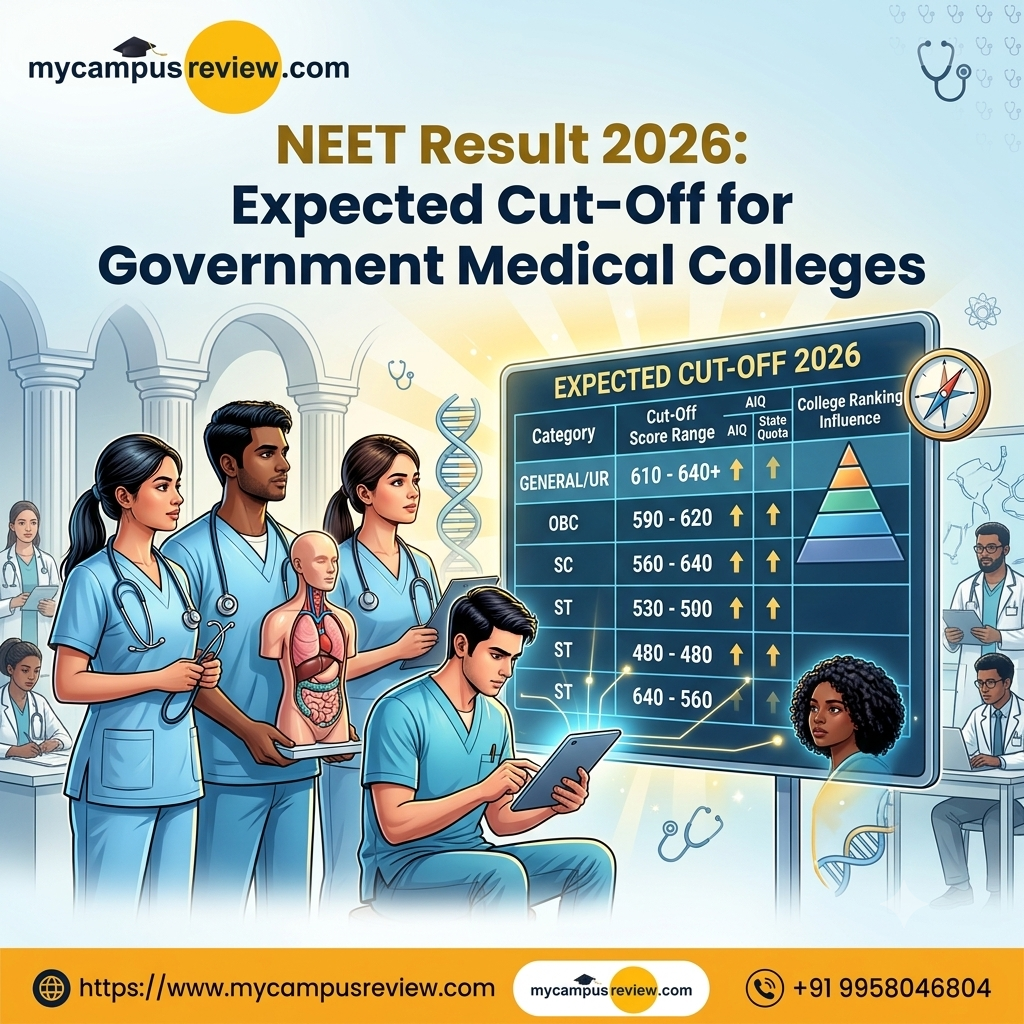
The NEET Result 2026 is one of the most anticipated milestones for medical aspirants aiming to secure admission to government medical colleges across India. Along with the result, students eagerly await the cutoff scores, as these determine eligibility for MBBS, BDS, and other medical courses. While the official cutoff will depend on factors such as exam difficulty, the number of...
Office relocation is an important step for businesses looking to expand, improve accessibility, reduce operational costs, or move to a better commercial location. While relocating an office offers new opportunities, the process itself can be challenging and time-consuming. Moving office furniture, computers, servers, workstations, confidential documents, and equipment requires proper...

Introduction Some places are built to meet today's needs, while others are designed to define tomorrow. Palm Deira belongs to the second category. More than a waterfront destination, it represents the evolution of urban planning where residential living, commercial opportunities, tourism, and leisure exist within one carefully envisioned environment. Unlike traditional communities...

Introduction Turning your creativity into a profitable business is a dream for many artists. Resin art has become one of the fastest-growing handmade craft industries, offering endless opportunities to create unique home décor, personalized gifts, wall art, coasters, clocks, and festive decorations. However, every successful resin artwork starts with one important element—a...