


Full Blood Test: Common Health Conditions It Can Detect
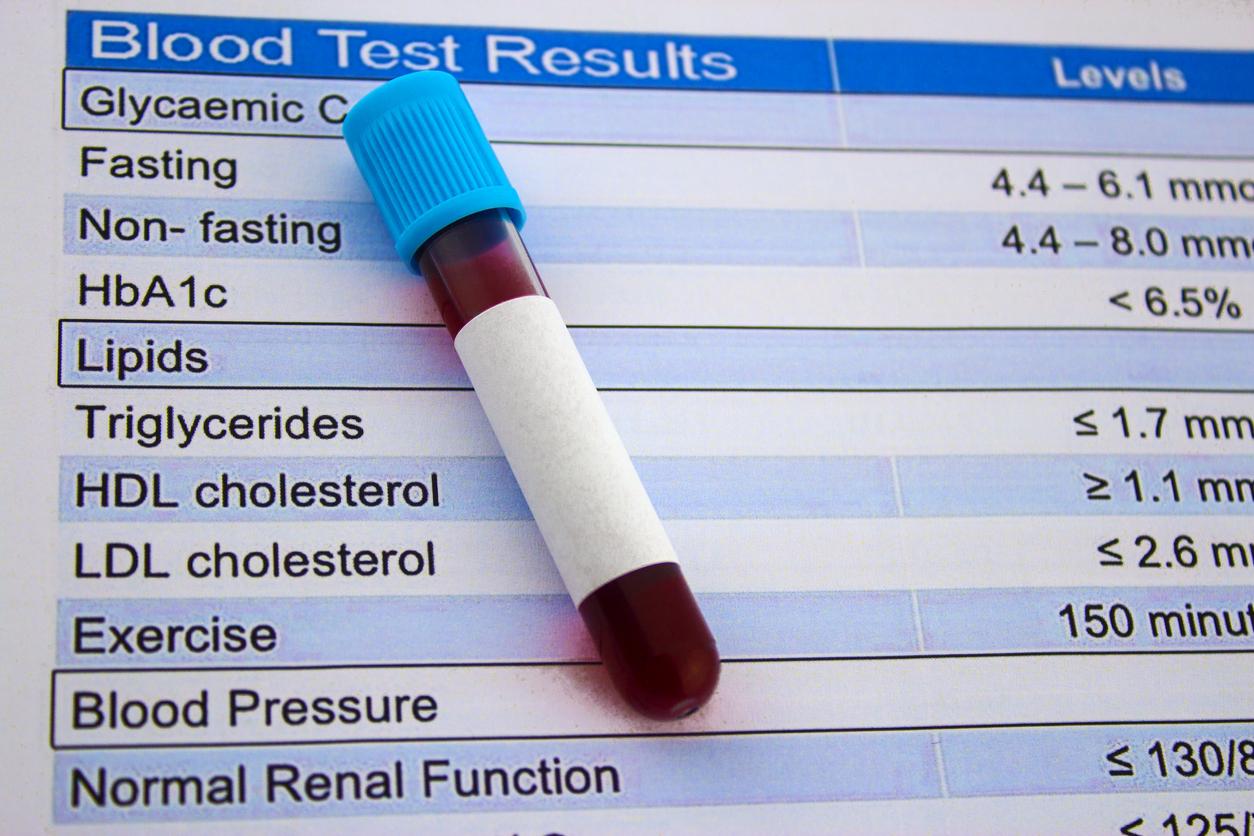
A full blood test is one of the most effective diagnostic tools for evaluating your overall health and identifying potential medical conditions before they become serious. Because blood circulates through every organ and tissue, even small changes in its composition can provide important clues about how your body is functioning. Healthcare providers frequently recommend a full blood test during routine health checkups, when investigating unexplained symptoms, or while monitoring ongoing medical conditions.
Although a Full Blood Test in Dubai cannot diagnose every disease on its own, it serves as an essential starting point for detecting abnormalities that may require further investigation. From anemia and infections to diabetes, liver disease, and thyroid disorders, this comprehensive laboratory assessment helps identify a wide range of health conditions.
This guide explores the common health conditions a full blood test can detect, explains the blood markers involved, and highlights why regular blood screening is an important part of preventive healthcare.
How a Full Blood Test Helps Detect Disease?
Every component of your blood has a specific function. Red blood cells deliver oxygen, white blood cells protect against infections, platelets help with blood clotting, and plasma carries nutrients, hormones, and waste products. When these components change unexpectedly, they often indicate that something in the body requires medical attention.
A full blood test combines several laboratory investigations to evaluate:
- Blood cell health
- Immune function
- Organ performance
- Blood sugar levels
- Cholesterol levels
- Nutritional status
- Hormonal balance
- Kidney function
- Liver function
Rather than providing a single diagnosis, these results help healthcare professionals build a complete picture of your health.
Iron Deficiency Anemia:
One of the most common conditions identified through a full blood test is iron deficiency anemia.
This condition develops when the body lacks enough iron to produce healthy hemoglobin, reducing the amount of oxygen delivered to tissues.
Blood markers that may indicate iron deficiency include:
- Low hemoglobin
- Low red blood cell count
- Low hematocrit
- Low Mean Corpuscular Volume (MCV)
- Low ferritin when iron studies are included
Common symptoms include:
- Fatigue
- Weakness
- Pale skin
- Shortness of breath
- Dizziness
- Poor concentration
Early diagnosis allows appropriate treatment before symptoms worsen.
Vitamin B12 and Folate Deficiency:
A full blood test may also reveal abnormalities suggesting deficiencies of vitamin B12 or folate, both of which are essential for healthy red blood cell production.
Typical findings include:
- Low hemoglobin
- Increased MCV
- Reduced red blood cell count
People with vitamin deficiencies may experience:
- Tingling in the hands and feet
- Memory difficulties
- Fatigue
- Balance problems
- Weakness
Additional vitamin testing often confirms the diagnosis.
Bacterial and Viral Infections:
Your immune system responds rapidly to infections, making blood testing an important diagnostic tool.
Bacterial Infections:
A bacterial infection often causes:
- Elevated white blood cell count
- Increased neutrophils
- Raised inflammatory markers if included
Healthcare providers use these findings alongside symptoms to guide treatment decisions.
Viral Infections:
Certain viral illnesses may cause:
- Reduced white blood cell count
- Increased lymphocytes
- Temporary platelet changes
Blood tests help distinguish between different types of infections and monitor recovery.
Chronic Inflammation:
Inflammation is the body's natural response to injury or illness. However, long-term inflammation may contribute to chronic diseases.
Blood tests may reveal:
- Elevated white blood cells
- Increased inflammatory markers
- Mild anemia of chronic disease
Persistent inflammation may be associated with:
- Autoimmune disorders
- Chronic infections
- Inflammatory bowel disease
- Rheumatoid arthritis
Further evaluation is usually required to determine the underlying cause.
Diabetes and Blood Sugar Disorders:
Many full blood panels include blood glucose testing, allowing healthcare providers to identify abnormal blood sugar levels.
High blood glucose may indicate:
- Prediabetes
- Type 2 diabetes
- Type 1 diabetes
- Hormonal disorders
Low blood glucose may occur because of:
- Medication effects
- Hormonal imbalance
- Prolonged fasting
Early diagnosis of diabetes reduces the risk of long-term complications affecting the heart, kidneys, eyes, and nerves.
Kidney Disease:
Healthy kidneys filter waste products from the bloodstream while maintaining fluid and electrolyte balance.
A full blood test commonly evaluates kidney function through:
- Creatinine
- Blood Urea Nitrogen (BUN)
- Estimated Glomerular Filtration Rate (eGFR)
Abnormal kidney function tests may indicate:
- Chronic kidney disease
- Acute kidney injury
- Dehydration
- Urinary tract obstruction
Because early kidney disease often causes no symptoms, routine blood testing plays a vital role in early detection.
Liver Disorders:
The liver performs numerous essential functions, including detoxification, nutrient metabolism, and protein production.
Liver function tests commonly measure:
- ALT
- AST
- ALP
- Bilirubin
- Albumin
Abnormal results may suggest:
- Fatty liver disease
- Viral hepatitis
- Alcohol-related liver damage
- Gallbladder disease
- Medication-induced liver injury
Further investigations may include imaging studies or additional laboratory tests.
Thyroid Disorders:
The thyroid gland regulates metabolism, energy production, and body temperature.
Blood tests commonly assess:
- Thyroid Stimulating Hormone (TSH)
- Free T4
- Free T3
Abnormal thyroid function may indicate:
Hypothyroidism:
Common symptoms include:
- Fatigue
- Weight gain
- Dry skin
- Cold intolerance
- Constipation
Hyperthyroidism:
Possible symptoms include:
- Weight loss
- Rapid heartbeat
- Anxiety
- Sweating
- Tremors
Blood testing allows thyroid disorders to be identified before complications develop.
Blood Clotting Disorders:
Platelets are responsible for helping blood clot after injury.
Abnormal platelet counts may indicate clotting disorders.
Low Platelets:
Possible causes include:
- Viral infections
- Autoimmune diseases
- Bone marrow disorders
- Certain medications
Symptoms may include:
- Easy bruising
- Nosebleeds
- Prolonged bleeding
High Platelets:
Elevated platelet counts may occur with:
- Chronic inflammation
- Iron deficiency
- Recovery after infection
- Certain bone marrow diseases
Further testing may be recommended depending on the severity of the abnormality.
High Cholesterol and Cardiovascular Risk:
A lipid profile included in a full blood test evaluates your cardiovascular health.
Measurements include:
- Total cholesterol
- LDL cholesterol
- HDL cholesterol
- Triglycerides
Abnormal cholesterol levels increase the risk of:
- Heart disease
- Stroke
- Peripheral artery disease
Lifestyle modifications and medical treatment can significantly reduce cardiovascular risk when abnormalities are detected early.
Autoimmune Diseases:
Some autoimmune disorders produce changes in blood cell counts and inflammatory markers.
Although blood tests alone cannot diagnose autoimmune disease, they may reveal:
- Low white blood cells
- Low red blood cells
- Elevated inflammatory markers
- Platelet abnormalities
Additional specialized testing helps confirm the diagnosis.
Blood Cancers:
Certain blood cancers affect the production of blood cells inside the bone marrow.
Examples include:
- Leukemia
- Lymphoma
- Myeloproliferative disorders
Possible laboratory findings include:
- Very high white blood cell count
- Very low white blood cell count
- Low hemoglobin
- Platelet abnormalities
- Immature blood cells
Abnormal blood results do not automatically mean cancer, but they may prompt referral to a specialist for further evaluation.
Bone Marrow Disorders:
The bone marrow produces blood cells.
Conditions affecting bone marrow may result in:
- Low red blood cells
- Low white blood cells
- Low platelets
- Abnormal blood cell development
Additional investigations such as bone marrow biopsy may be necessary when blood test abnormalities persist.
Nutritional Deficiencies:
Blood tests can identify deficiencies involving important nutrients that affect energy production and overall health.
Common deficiencies include:
- Iron
- Vitamin B12
- Folate
- Vitamin D
Correcting nutritional deficiencies often improves fatigue, concentration, immune function, and physical performance.
Dehydration:
Even mild dehydration can temporarily alter blood test results.
Possible findings include:
- Elevated hemoglobin
- Increased hematocrit
- Higher red blood cell concentration
- Electrolyte imbalance
Healthcare providers consider hydration status when interpreting laboratory values.
When Should You Consider a Full Blood Test?
Healthcare providers often recommend blood screening if you experience:
- Persistent fatigue
- Frequent infections
- Unexplained weight loss
- Fever
- Weakness
- Dizziness
- Easy bruising
- Ongoing inflammation
- Chronic health conditions
Routine blood testing is also valuable for preventive healthcare, even in people without symptoms.
Can One Blood Test Diagnose Every Condition?
Although a full blood test is highly informative, it cannot diagnose every illness independently.
Healthcare providers combine laboratory findings with:
- Medical history
- Physical examination
- Imaging studies
- Additional laboratory tests
- Family history
- Current symptoms
This comprehensive approach leads to accurate diagnosis and personalized treatment planning.
Frequently Asked Questions:
Does a full blood test detect cancer?
A full blood test may identify abnormal blood cell patterns that suggest certain blood cancers, but additional testing is required to confirm any diagnosis.
Can blood tests detect vitamin deficiencies?
Yes. Iron deficiency, vitamin B12 deficiency, folate deficiency, and other nutritional problems are commonly identified through blood testing.
Can a full blood test detect infections?
Yes. Changes in white blood cells and inflammatory markers often help healthcare providers identify bacterial or viral infections.
How often should a full blood test be performed?
Testing frequency depends on your age, medical history, lifestyle, symptoms, and healthcare provider's recommendations. Routine health screening is commonly advised as part of preventive medical care.
Conclusion:
A full blood Lab tests is far more than a routine laboratory investigation—it is a comprehensive assessment that helps detect many common health conditions before they progress. By evaluating blood cells, organ function, blood sugar, cholesterol, thyroid hormones, kidney health, liver function, and nutritional status, it provides valuable insights into your overall well-being.
While abnormal results do not always indicate a serious illness, they often provide the first indication that further evaluation is needed. Whether you are experiencing unexplained symptoms or simply prioritizing preventive healthcare, regular full blood testing supports early diagnosis, timely treatment, and better long-term health outcomes. Working closely with a qualified healthcare provider ensures your results are interpreted accurately and any necessary follow-up care is tailored to your individual needs.
Categorie
Leggi tutto
The footwear market in Thailand is undergoing gradual transformation as changing fashion preferences, digital retail expansion, urban lifestyles, and health-conscious consumer behavior continue to reshape purchasing trends. Footwear products are no longer viewed solely as functional necessities. Instead, they are increasingly associated with identity, comfort, mobility, and lifestyle...

In today’s fast-paced digital world, Play Bazaar has become a popular platform for individuals seeking entertainment, online games, and daily number results. However, with the vast amount of information scattered across multiple websites, finding all Play Bazaar results in one place can be a challenge. In this comprehensive guide, we’ll walk you through how to find all Play Bazaar...

A wedding is one of the most important milestones in life, and every detail contributes to making the day truly unforgettable. Among all the elements of a wedding celebration, the cake holds a special place as a symbol of love, unity, and happiness. A beautifully designed Wedding Cakes not only enhances the décor but also becomes a centerpiece that guests admire and remember. When...

Summer is one of the busiest travel seasons in India. Whether you're heading home for vacations, exploring a new destination, or traveling for work, train journeys remain a popular and comfortable way to travel. However, the hot weather can make it challenging to enjoy heavy or oily meals during long trips. Choosing the right food while traveling is essential for staying energized, hydrated,...

The Dog Food and Snacks Market is witnessing remarkable growth as pet ownership continues to rise worldwide and consumers increasingly prioritize the health and well-being of their dogs. The growing trend of pet humanization, where pets are considered family members, has significantly increased spending on premium nutrition, functional treats, and high-quality pet food products....
