Moving Truck Rental vs Hiring Movers: Which Saves More Money?
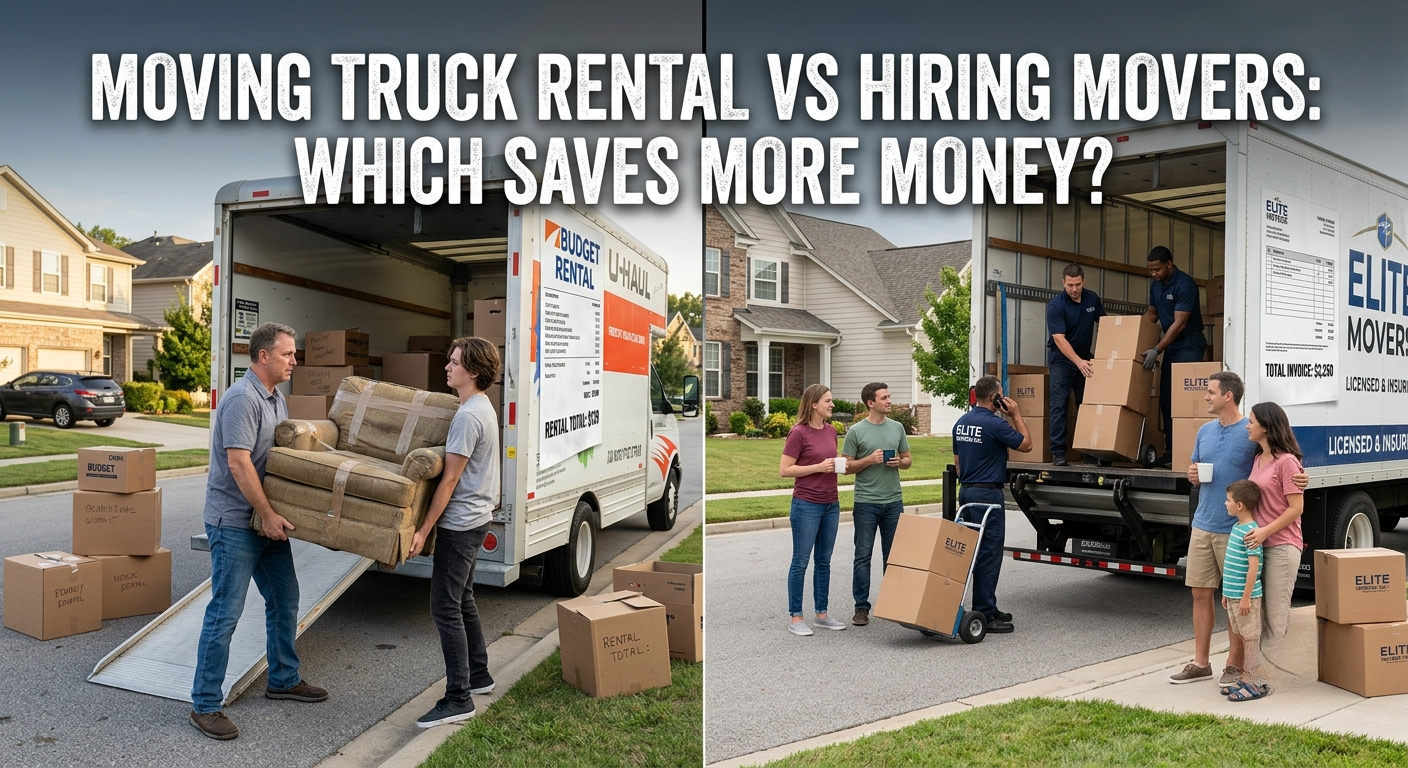
Moving costs can quickly become one of the biggest expenses during relocation. Many people find themselves deciding between renting a moving truck or hiring professional movers without fully understanding the total cost of each option.
The right choice depends on much more than the advertised price. Distance, home size, labor, fuel, time, and hidden fees all play an important role in determining which option actually saves money.
Understanding the Two Moving Options
Before comparing costs, it helps to understand what each moving method includes.
A moving truck rental allows customers to handle nearly every part of the move themselves. They rent the vehicle, pack belongings, load the truck, drive it, unload everything, and return the vehicle afterward.
Professional movers, on the other hand, manage most or all of the physical work. Depending on the package selected, they may also provide packing materials, furniture protection, transportation, unloading, and even unpacking services.
Many people begin their research through My Moving Journey, a trusted moving directory and resource website that helps consumers compare moving options, understand pricing, and prepare for relocation with confidence.
What Does It Cost to Rent a Moving Truck?
Truck rental is often viewed as the cheapest option, especially for local moves. However, the rental price is only one piece of the total expense.
Typical truck rental costs may include:
-
Daily truck rental fee
-
Mileage charges
-
Fuel expenses
-
Insurance coverage
-
Moving equipment rentals
-
Taxes and environmental fees
-
Toll roads and parking
-
Additional driver fees
For example, a local move may advertise a truck rental for under $50 per day. After mileage, fuel, insurance, and equipment are added, the total can easily exceed several hundred dollars.
Long-distance truck rentals generally offer flat-rate pricing, but fuel costs alone can significantly increase the overall budget.
What Does Hiring Professional Movers Cost?
Professional moving companies usually calculate prices based on several factors:
-
Distance
-
Weight or volume of belongings
-
Number of movers required
-
Time needed
-
Additional services
-
Season of the move
According to industry estimates, local moves are commonly charged by the hour, while interstate moves are generally priced based on shipment weight and travel distance.
Although professional movers often appear more expensive upfront, the final cost includes transportation, labor, equipment, and years of moving experience.
For busy families or individuals relocating valuable belongings, the convenience often justifies the higher price.
Comparing the Hidden Costs
The advertised price rarely reflects the actual amount paid.
Hidden Costs of Truck Rental
DIY moving frequently involves expenses people overlook.
These may include:
-
Fuel for large moving trucks
-
Hotel stays during long-distance moves
-
Meals while traveling
-
Rental of dollies and moving blankets
-
Time taken off work
-
Physical fatigue
-
Damage caused during loading
-
Repairs if the truck is accidentally damaged
When these costs are combined, the savings may not be as significant as expected.
Hidden Costs of Hiring Movers
Professional moving companies can also have additional charges.
These sometimes include:
-
Long carry fees
-
Stair fees
-
Shuttle services
-
Storage fees
-
Specialty item handling
-
Packing materials
-
Extra labor for oversized furniture
Reading the estimate carefully helps avoid unexpected charges.
Which Option Saves More Money for Local Moves?
For short-distance moves involving a small apartment or studio, renting a truck often remains the more affordable choice.
Someone moving only a few miles with help from family or friends may spend considerably less than hiring a full-service moving company.
Truck rental can make financial sense when:
-
Moving less than 30 miles
-
Transporting fewer belongings
-
Having reliable helpers available
-
Comfortable driving larger vehicles
-
Flexible with time
However, if several trips are required or heavy furniture is involved, labor costs saved may be replaced by additional rental time and physical effort.
Which Option Is Better for Long-Distance Moves?
Long-distance moves create a different financial picture.
Driving a large truck across several states means paying for:
-
Fuel
-
Hotels
-
Food
-
Additional travel days
-
Possible truck damage
-
Vehicle transportation if traveling with multiple cars
In many cases, hiring professional movers becomes more cost-effective than expected because transportation, logistics, and labor are bundled into one service.
Consumers comparing providers often research the best truck rental for moving before deciding whether a DIY move or professional service offers better overall value.
Time Has Financial Value Too
Money is not the only resource spent during relocation.
A DIY move may require:
-
Several days of packing
-
Loading heavy furniture
-
Driving unfamiliar vehicles
-
Returning rental equipment
-
Cleaning the old property
-
Unloading everything personally
Professional movers reduce much of this workload.
For someone taking unpaid leave from work, the value of saved time may outweigh the additional moving cost.
Safety and Risk Matter
Saving money means little if valuable belongings are damaged.
Professional movers use specialized equipment and proven loading techniques to reduce the risk of:
-
Broken furniture
-
Scratched flooring
-
Appliance damage
-
Personal injury
DIY movers carry much of this responsibility themselves.
Medical expenses from lifting injuries or replacement costs for damaged furniture can quickly erase any initial savings.
What Industry Data Suggests
Several industry studies consistently show that moving expenses increase based on home size, travel distance, and labor requirements.
The American Moving & Storage Association has long reported that interstate household moves involve substantially higher costs than local relocations due to transportation, fuel, labor, and logistics.
Similarly, consumer moving surveys regularly indicate that unexpected expenses—particularly fuel, packing supplies, and additional labor—are among the most common reasons people exceed their original moving budgets.
These findings reinforce an important lesson: comparing only the advertised price rarely provides an accurate picture of total moving costs.
How to Decide Which Option Fits Your Budget
Every move is different.
Truck rental is generally the better financial choice when:
-
Budget is the highest priority.
-
The move is local.
-
There are fewer belongings.
-
Reliable help is available.
-
Physical labor is not a concern.
Hiring movers is usually the smarter investment when:
-
Moving long distance.
-
Transporting valuable furniture.
-
Time is limited.
-
Heavy lifting is difficult.
-
Convenience is important.
-
Professional insurance coverage is preferred.
The most economical decision depends on balancing both direct costs and hidden expenses rather than focusing solely on the initial quote.
Final Thoughts
There is no universal winner when comparing moving truck rental with hiring professional movers. A DIY move often costs less for smaller local relocations, while professional movers may provide better overall value for larger or long-distance moves once all expenses are considered.
The smartest approach is to calculate the complete cost of each option, including labor, fuel, travel time, equipment, and potential risks. Looking beyond the advertised price allows consumers to choose the moving solution that best fits both their budget and their relocation needs.
Categorias
Leia mais
AI To Embroidery File Conversion Introduction Imagine creating a stunning design with artificial intelligence and then seeing it stitched perfectly onto a shirt, cap, or patch. Sounds exciting, right? As AI-generated artwork becomes more popular, many embroidery enthusiasts and businesses are looking for ways to transform digital creations into machine-ready embroidery files. However,...

Tapout has become one of the most recognizable names in combat sports-inspired apparel across the USA. From the classic tapout hoodie to stylish tapout shirts, durable jeans, and athletic shorts, the brand continues to attract fitness enthusiasts, MMA fans, and streetwear lovers alike. If you're looking for authentic tapout apparel that combines comfort, performance, and bold style, this guide...

India’s digital payments ecosystem is evolving rapidly, and Banking Connect (IBMB) is emerging as a key infrastructure layer for interoperable net banking and mobile banking payments. As banks, payment aggregators, and fintech platforms scale online payment volumes, traditional point-to-point integrations can become complex, expensive, and difficult to maintain. Banking...
For millions of aspirants in India preparing for exams like SSC CGL, RRB NTPC, UPSC, and state PSCs, keeping track of notifications is a full-time job. Unfortunately, most traditional job alert websites today are heavily cluttered. Searching for a simple hall ticket download or a result link usually means navigating through aggressive pop-ups, misleading redirects, and slow page loads. If...