Why construction stage inspections matter when you're buying a near-complete new build
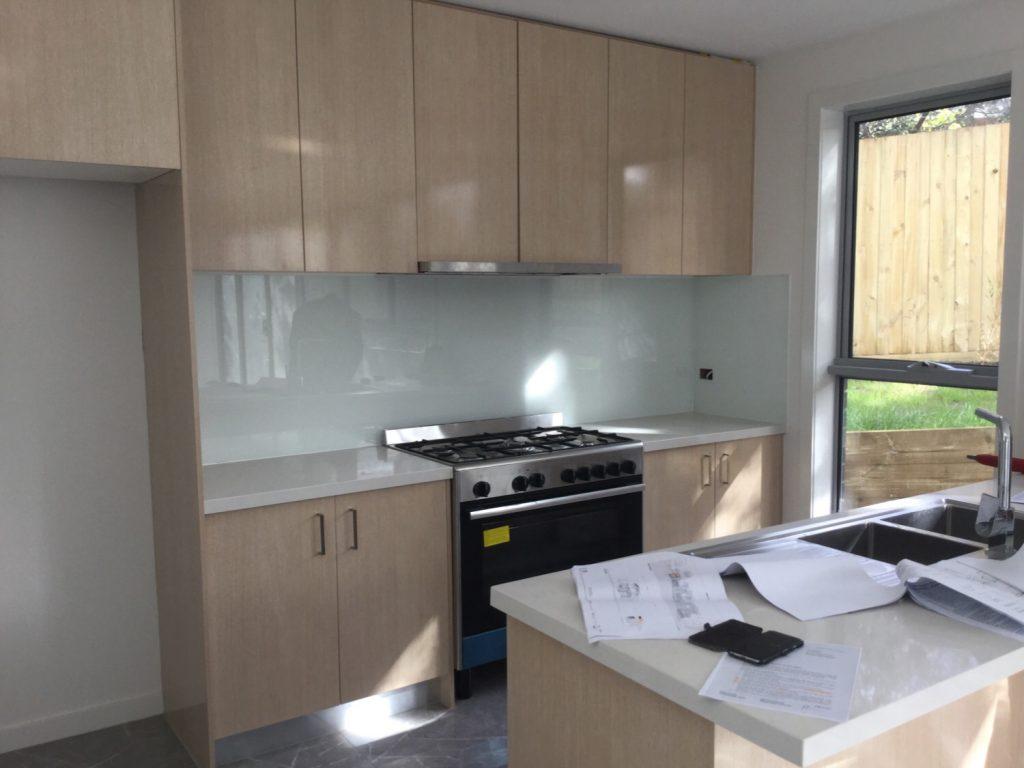
You've found the home. It's nearly built, maybe a few weeks from handover, and the excitement is real. But there's a quiet nervousness sitting underneath it too: you didn't see the slab poured. You didn't see the frame go up. Every stage that's already happened, happened without you in the room.
That's the part first home buyers underestimate. Construction stage inspections aren't only useful if you're there from the very first day. They're just as valuable in the final stretch, when there's still time to catch problems before they're locked behind plaster and paint, and before settlement makes them entirely your problem.
What "near complete" actually means for your risk
A builder working through slab, frame, lock-up, fixing, and handover is required to meet the National Construction Code at every point. In practice, quality control on-site varies enormously from one crew to the next, and problems from earlier stages don't disappear once the walls go up. They just go quiet.
A frame that was slightly out of square, a waterproofing membrane applied too thin in the bathroom, timber that wasn't properly treated before the plaster went on: none of these show up in a walk-through with the sales agent. They show up two years later as a sticking door, a damp patch, or a crack that keeps coming back no matter how many times it's painted over.
This is exactly why construction stage inspections matter even when you're buying late in the process. The stages you missed already happened. The ones still ahead, and the finished result itself, haven't been independently checked by anyone working for you.
What can still be inspected before you sign
Depending on how close to completion the property is, there's usually still a real window:
-
Lock-up stage, if it hasn't passed yet, covers the external shell: walls, windows, roofing, and external doors. This is your last chance to catch structural or weatherproofing issues before the home is sealed up and finished internally.
-
Fixing stage covers the internal fit-out: plasterboard, cabinetry, skirting, and waterproofing in wet areas. Waterproofing failures found here are far cheaper to fix than the same failure discovered after tiling and flooring go in.
-
Practical completion (handover) inspection is the one every buyer of a near-complete build should insist on, regardless of what's already happened. This is an independent, room-by-room check against the builder's own sign-off, run by someone whose only job is to work for you, not the builder or the agent.
If the home you're buying is genuinely finished, a pre-settlement inspection still fills the exact same role. It's simply the last construction stage inspection available before the keys change hands.
Why this matters more for first home buyers specifically

For most first home buyers, this is the single biggest purchase they've ever made, and often the first time dealing directly with a builder or a contract of this size. That combination, high stakes and low experience, is precisely what a construction stage inspection is designed to correct for.
You're not expected to know what a poorly braced frame looks like, or whether a switchboard was wired to standard. That's the point of bringing in someone who does. A defect found before settlement is the builder's responsibility to fix. The same defect found six months after you've moved in is yours.
There's also a cost conversation worth having honestly. An inspection at this stage is a small, fixed cost against a purchase that's likely six figures or more. Compared to the cost of rectifying a defect after handover, or worse, living with one because there's no longer anyone to hold accountable, it's not a difficult trade-off once it's laid out plainly.
What to do if you're already close to settlement
If settlement is weeks away, the priority is simple: book a pre-settlement or practical completion inspection before you sign off. Ask your inspector specifically what's still checkable given the build stage, and get the report in writing before you hand over final payment. A written, photographed report also gives you something concrete to take back to the builder if anything needs fixing before handover, rather than a verbal assurance that's hard to enforce later.
Frequently asked questions
Can I still get a construction stage inspection if the build is already finished?
Yes. Once earlier stages have passed, a practical completion or pre-settlement inspection covers the same purpose: an independent check of the finished home before you take ownership, looking for defects the builder's own sign-off may have missed.
What if the builder says everything's already been checked and approved?
The builder's own sign-off isn't the same as an independent inspection. Council and building surveyor checks confirm the home meets minimum code requirements; they don't catch every workmanship issue a dedicated inspector would look for, and they aren't acting on your behalf.
How much does a construction stage or pre-settlement inspection cost compared to the risk of skipping it?
Costs vary by property size and location, but they sit well below the cost of rectifying even a single major defect after handover, let alone several. Given a new build purchase is typically one of the largest financial commitments a first home buyer makes, it's a proportionally small cost for real protection.
What happens if the inspection finds a defect just before settlement?
A written report gives you the leverage to have the builder fix identified issues before settlement, or to negotiate accordingly. Without that report, you have no documented basis to require anything once you've taken ownership.
Contact Landmark Inspections before you sign off on your new build. Inspections that count, so you don't have to spend big in the future.
Categorieën
Read More
Melbourne is a city built on diversity, opportunity, and constant movement. Every day, thousands of businesses welcome customers, office buildings receive visitors, construction projects move forward, and community spaces bring people together. Behind many of these successful operations is a commitment to maintaining a safe, organised, and welcoming environment. Professional security plays an...

If you're looking to buy kitchen appliances online or searching for a reliable Home appliances store in Delhi NCR, Aarav Electronics offers a comprehensive collection of premium appliances from India's leading brands. With genuine products, competitive prices, and convenient online shopping, customers can find everything they need under one roof. Learn for...
Immigration enforcement policies can create uncertainty for many individuals living in the United States, including lawful permanent residents. One issue that has gained attention is when ICE ends bond hearings or challenges a detained individual's ability to seek release while immigration proceedings continue. For permanent residents facing detention or legal complications, understanding the...
Jamaica Entry Requirements for Tourists in 2026 Planning a Caribbean vacation starts with understanding the latest Jamaica entry requirements. Whether you are traveling for a beach getaway, family holiday, cruise stop, or business trip, knowing which travel documents you need helps avoid delays and unexpected issues at the airport. Jamaica remains one of the most visited destinations in the...