Automation, E-Commerce Fulfillment, and Future Market Outlook

The U.S. conveyor belts market stands at the center of the ongoing logistics revolution, driven by consumer expectations for fast, reliable e-commerce home delivery. Modern fulfillment centers spanning millions of square feet rely on complex networks of high-speed sortation conveyors, cross-belt sorters, and vertical elevation belts to route millions of individual packages daily. To handle these immense parcel volumes without jams, logistics operators require high-friction, low-noise belting materials that maintain reliable grip during rapid acceleration and deceleration.
Logistics automation has accelerated the demand for specialized flame-retardant and low-noise synthetic belts inside enclosed urban distribution hubs. Because giant fulfillment centers operate hundreds of conveyor drives simultaneously in enclosed spaces, reducing operational noise levels is essential for worker safety and comfort. Specialized acoustic fabric undersides absorb mechanical friction noise as belts glide over bed plates, creating quieter work environments without sacrificing belt speed.
In addition, the integration of automated guided vehicles (AGVs) and autonomous mobile robots (AMRs) with stationary conveyor lines requires precise belt stopping accuracy and seamless transfer points. Sensors embedded directly into belt support frames communicate with warehouse management software, aligning belt speeds automatically to transfer packages smoothly onto mobile robots. This high level of physical integration ensures frictionless material movement throughout the entire supply chain network.
Comprehensive forecasts state that the U.S. Conveyor Belts Market recorded a volume of 7,190 thousand meter in 2024 and is estimated to reach a volume of 14,113 thousand meter by 2033 with a CAGR of 8.0% during the forecast period. Detailed insights from the latest conveyor belts forecast demonstrate that ongoing investments in automated logistics infrastructure and regional distribution centers will keep domestic unit volume demand strong over the coming decade.
Looking into the future, the expansion of micro-fulfillment centers in urban locations will fuel additional demand for compact, highly flexible conveyor systems. As industrial facilities continue transforming into fully automated smart factories, high-performance belting will remain a critical, non-negotiable physical component. Continuous material engineering innovations guarantee that American conveyor infrastructure will keep pace with the demands of modern commerce.
Kategoriler
Read More
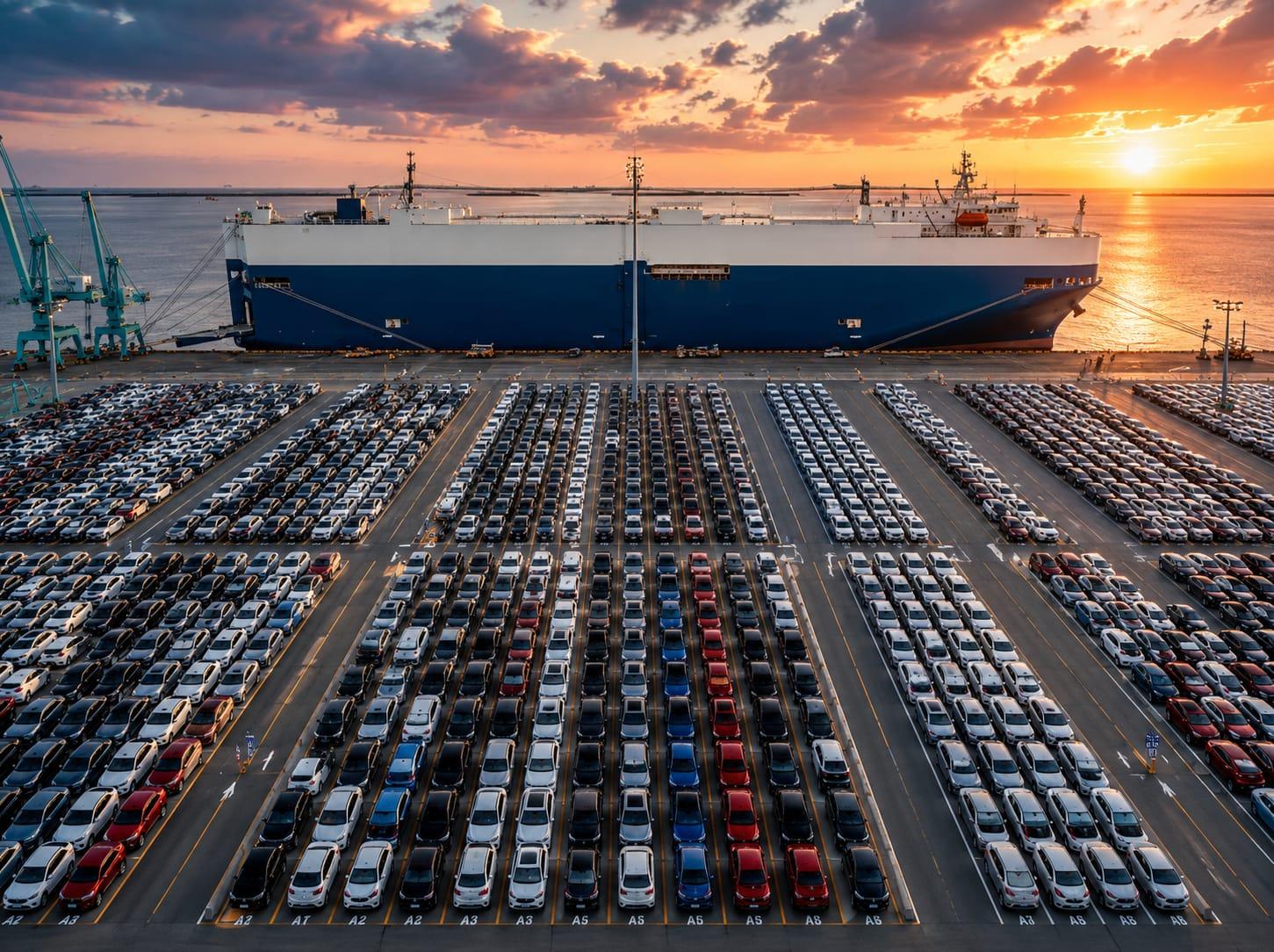
International shipping can quickly become complicated. From customs paperwork and port regulations to transportation schedules and cargo handling, there are many moving parts involved in getting goods safely from one country to another. This is where a freight forwarder UK plays a crucial role. A freight forwarder acts as a logistics specialist, coordinating shipments and ensuring cargo moves...
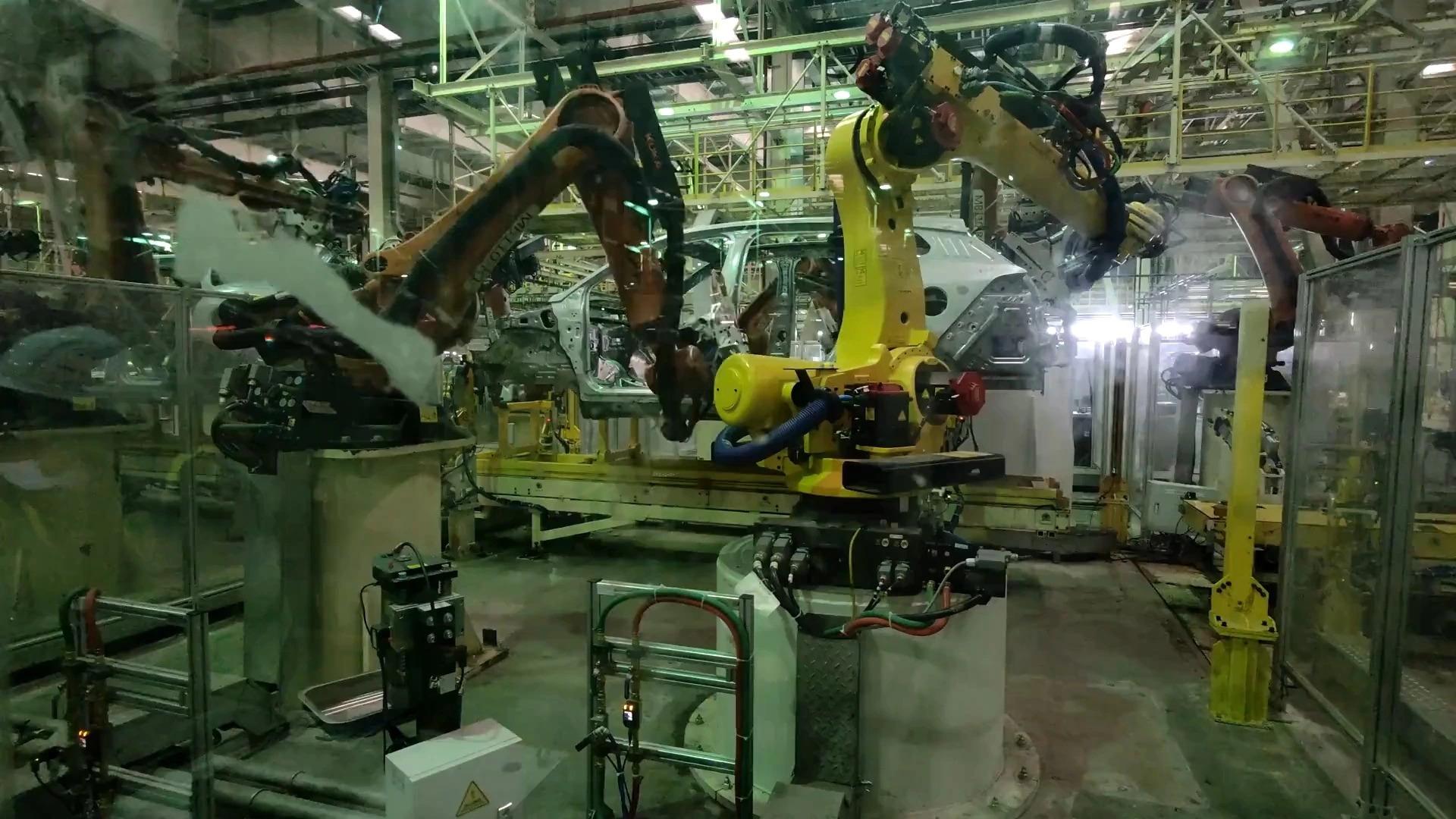
An automatic welder is transforming modern manufacturing by delivering exceptional precision, higher production efficiency, and consistent welding quality across demanding industrial applications. As manufacturers continue to embrace intelligent automation and high-volume production, investing in a reliable automatic welder has become essential for maintaining competitiveness and product...
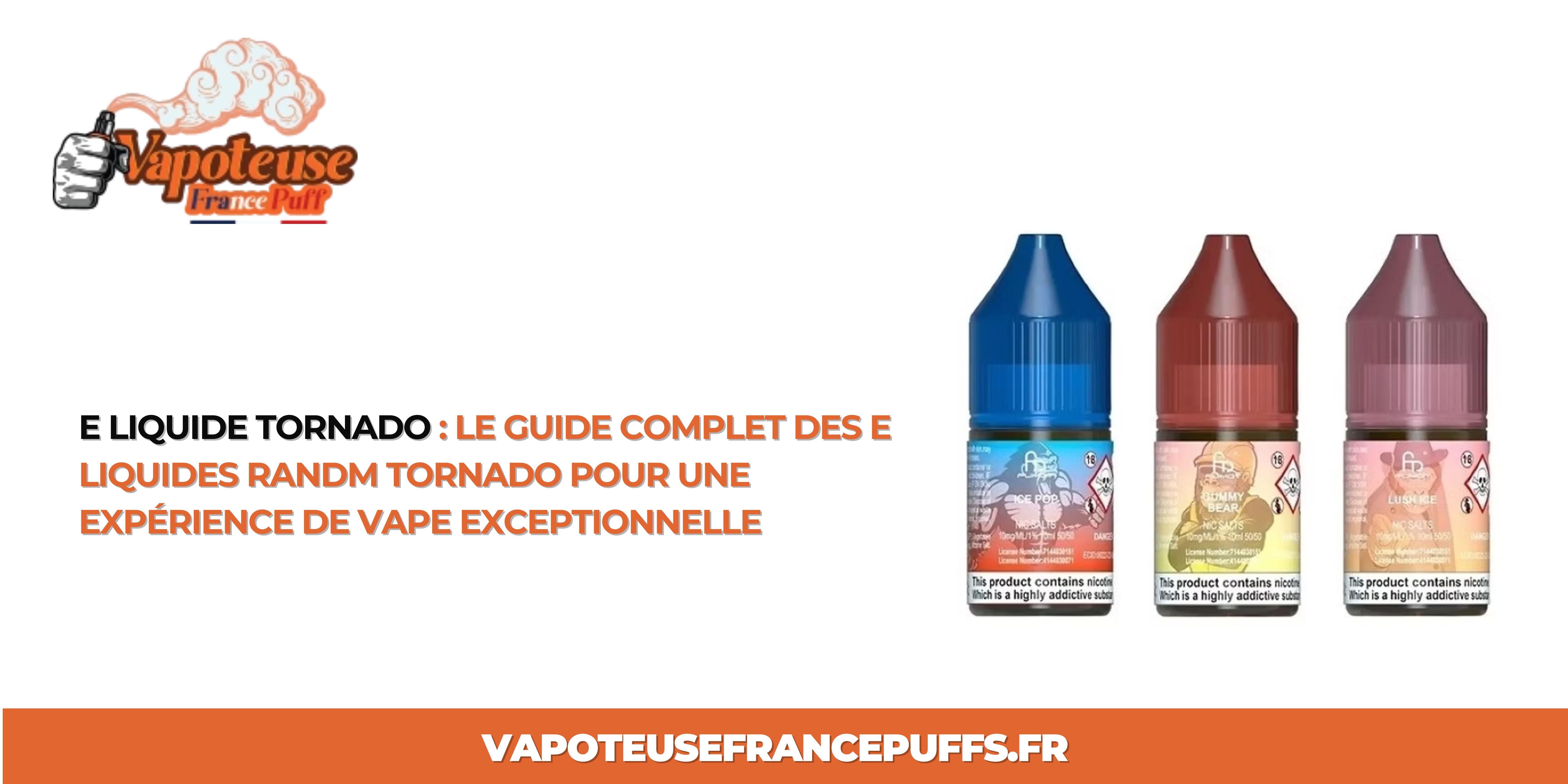
Le marché de la vape continue d’évoluer avec des produits innovants répondant aux attentes des vapoteurs débutants comme expérimentés. Parmi les références les plus recherchées, e liquide tornado, e liquide randm et e liquide randm tornado attirent de plus en plus l’attention grâce à leur...
Working in welding environments means constant exposure to sparks, heat, molten metal, and sharp materials. That’s why welding trousers are one of the most important pieces of protective clothing for anyone in the trade. While many welders focus on helmets and gloves first, leg protection is just as critical for preventing burns, cuts, and long-term injuries. From...