


Electrical Installation Condition Report (EICR): Why It Matters for UK Properties
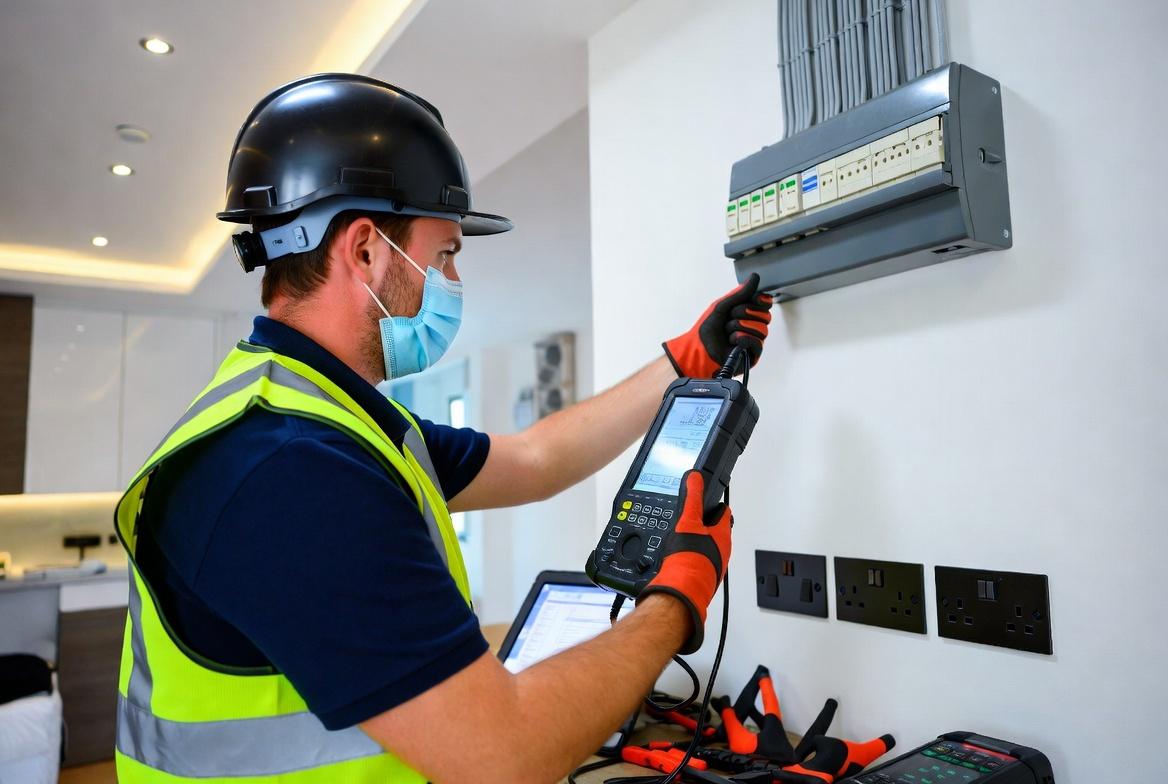
Electrical safety is an essential part of owning or managing a property. An Electrical Installation Condition Report (EICR) helps assess the condition of a property's electrical system and identifies any issues that may need attention. Whether you are a homeowner, landlord or business owner, an EICR provides valuable information about the safety and condition of your electrical installation.
Regular electrical inspections help reduce risks, support legal compliance and ensure that electrical systems continue to operate safely.
What Is an Electrical Installation Condition Report (EICR)?
An Electrical Installation Condition Report (EICR) is a formal inspection carried out by a qualified electrician. During the inspection, the electrical installation is tested to determine whether it is safe for continued use.
The report highlights:
-
The overall condition of the electrical installation
-
Any faults or safety concerns
-
Potential risks
-
Recommendations for repairs or improvements
An EICR is designed to identify problems before they become serious safety hazards.
Why Is an EICR Important?
Electrical systems naturally deteriorate over time due to age, wear and regular use. Damaged wiring, faulty sockets or outdated consumer units can increase the risk of electric shocks or electrical fires.
An EICR helps to:
-
Improve electrical safety
-
Identify hidden faults
-
Reduce the risk of electrical fires
-
Highlight worn or damaged wiring
-
Ensure the installation is suitable for continued use
-
Support compliance with UK regulations
Early detection of problems often prevents more expensive repairs in the future.
Who Should Have an EICR?
An Electrical Installation Condition Report is beneficial for:
-
Homeowners
-
Landlords
-
Property buyers
-
Commercial property owners
-
Letting agents
-
Businesses
For landlords, an EICR is generally required for rented residential properties to help ensure tenant safety and meet legal responsibilities.
What Does an EICR Inspection Include?
During the inspection, a qualified electrician checks various parts of the electrical installation, including:
-
Consumer unit (fuse box)
-
Wiring
-
Sockets
-
Light fittings
-
Switches
-
Earthing and bonding
-
Circuit protection
-
Electrical accessories
The electrician also carries out testing to confirm that circuits are operating correctly and safely.
Understanding EICR Codes
After the inspection, any issues found are classified using standard observation codes.
Common codes include:
-
C1 – Danger present. Immediate action required.
-
C2 – Potentially dangerous. Urgent remedial work recommended.
-
C3 – Improvement recommended but not considered immediately dangerous.
-
FI – Further investigation required.
These codes help property owners understand the urgency of any recommended work.
How Often Should an EICR Be Carried Out?
Inspection intervals depend on the type of property and how it is used.
Typical recommendations include:
-
Owner-occupied homes: Every 10 years or when buying or selling a property.
-
Rented residential properties: Every 5 years or at the start of a new tenancy if required.
-
Commercial properties: Inspection frequency depends on the type and use of the premises.
If the property experiences flooding, fire damage or major electrical alterations, an additional inspection may be advisable.
Preparing for an EICR
Before the inspection:
-
Ensure the electrician has access to the consumer unit.
-
Make electrical sockets and switches easily accessible.
-
Inform the electrician about any known electrical issues.
-
Allow enough time for testing to be completed.
Good preparation helps the inspection run smoothly.
Choosing a Qualified Electrician
When arranging an EICR, look for:
-
Qualified and experienced electricians
-
Membership of recognised industry bodies
-
Transparent pricing
-
Positive customer reviews
-
Clear written reports
-
Recommendations for any necessary remedial work
Choosing a reputable electrician helps ensure the inspection is carried out to a high standard.
Final Thoughts
An Electrical Installation Condition Report (EICR) is an important part of maintaining a safe property. It helps identify electrical faults, reduces safety risks and provides reassurance that your electrical installation is suitable for continued use.
Whether you own a home, rent out property or manage commercial premises, regular EICR inspections can help protect occupants, support legal compliance and prevent costly electrical problems in the future.
Catégories
Lire la suite
Travelers seeking reliable airline assistance can visit the ethiopian airlines head office addis ababa for a wide range of customer services. The office helps passengers with flight bookings, ticket modifications, baggage inquiries, check-in guidance, travel policies, and special assistance requests. It also provides information on loyalty programs, visa requirements, and international travel...

Ghost Rider is one of the most iconic anti-heroes in comic book history. Bringing him into the sprawling open world of GTA 6 would create an unforgettable mod experience. As a GTA 6 Items fan of both the character and the GTA series, my ideal mod would blend supernatural horror with Rockstar’s signature chaotic gameplay. Visuals and Character Design The mod would transform the player...

Education has long been considered one of the most powerful tools for personal growth and social progress. Yet for decades, millions of students around the world faced barriers related to geography, cost, language, and limited institutional capacity. Today, those barriers are steadily being reduced. Advances in technology, international collaboration, and flexible learning models are making...

