How to Become a Pilot in India: Complete Guide to DGCA Exams, Pilot Training Fees & Career Roadmap
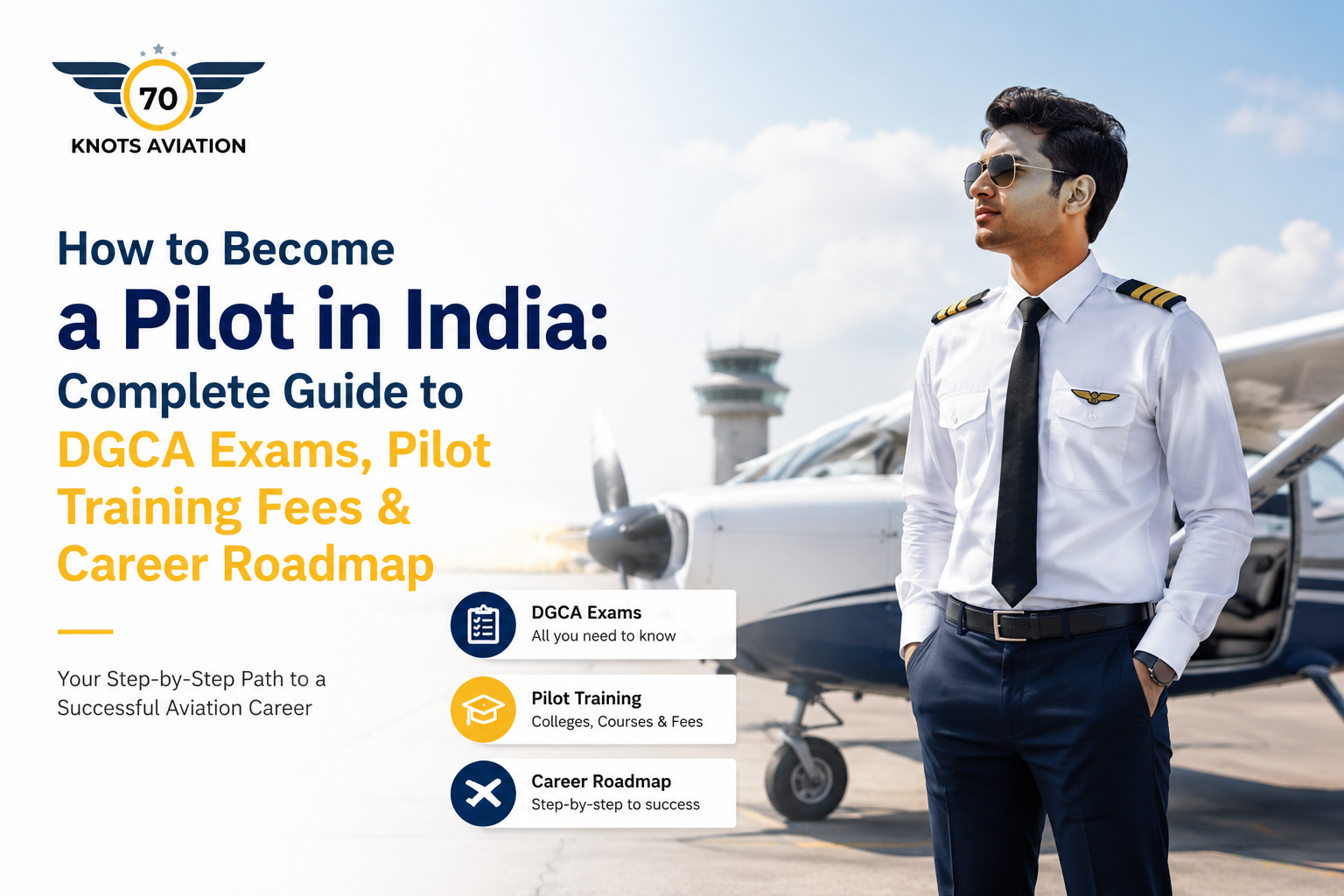
The aviation industry in India is growing at an impressive pace, creating new opportunities for students who dream of becoming professional pilots. With increasing air travel demand, expanding airline networks, and improvements in aviation infrastructure, the demand for skilled pilots continues to rise.
Many students have a passion for flying but often feel confused about how to become a pilot in India and what steps they need to follow to build a successful aviation career. Becoming a commercial pilot requires proper planning, dedication, medical fitness, theoretical knowledge, and practical flying experience.
The Directorate General of Civil Aviation (DGCA) regulates pilot training and licensing standards in India. Students must complete DGCA-approved training, clear required examinations, complete flying hours, and obtain a Commercial Pilot Licence (CPL) before starting their professional journey.
Choosing the right aviation academy plays an important role in achieving success. Proper guidance, structured learning, and effective DGCA exam preparation help students understand aviation concepts and prepare confidently for their exams.
Institutes like 70 Knots Aviation provide aspiring pilots with professional guidance, structured training programs, and career support to help them move towards their aviation goals.
How to Become a Pilot in India?
Becoming a commercial pilot in India involves several important steps. Students need to complete educational requirements, clear medical examinations, prepare for DGCA exams, complete flight training, and finally obtain their CPL.
The complete process includes:
1. Complete 10+2 Education with Physics and Mathematics
The first step in understanding how to become a pilot in India is completing higher secondary education with Physics and Mathematics as compulsory subjects.
These subjects help students develop knowledge of important aviation concepts, including:
- Aircraft performance
- Flight calculations
- Navigation principles
- Aviation technology
- Weather understanding
Physics helps students understand how aircraft systems work, while Mathematics helps with calculations used in navigation and flight planning.
Students who did not study Physics and Mathematics during their school education can complete these subjects through recognized additional courses to meet DGCA eligibility requirements.
A strong academic foundation helps students understand advanced aviation topics during their pilot training.
2. Meet DGCA Eligibility Requirements
The DGCA has defined specific eligibility requirements for students who want to become commercial pilots in India.
Candidates must fulfil requirements related to:
- Educational qualifications
- Age criteria
- Medical fitness
- DGCA examinations
- Required flying experience
Meeting these requirements early helps students plan their training journey effectively.
3. Complete DGCA Medical Examination
Medical fitness is one of the most important requirements in aviation. Pilots need good physical health, mental alertness, and strong decision-making abilities to operate aircraft safely.
Students must complete DGCA-approved medical examinations before starting professional flight training.
Class 2 Medical Examination
Class 2 medical certification is generally the first medical requirement for students beginning their aviation journey.
This examination checks basic health conditions and determines whether a candidate meets aviation medical standards.
Class 1 Medical Examination
Class 1 medical certification is required for commercial pilot operations. Students must maintain this medical fitness throughout their professional aviation career.
Completing medical examinations at an early stage helps students avoid delays during their training process.
Step-by-Step Process to Become a Commercial Pilot in India
Step 1: Choose the Right Flight Training Academy
Selecting the right aviation academy is a major decision for every aspiring pilot. The quality of training directly affects a student's understanding of aviation concepts and practical flying skills.
Before choosing an institute, students should consider:
- DGCA approval
- Experienced instructors
- Training quality
- Aircraft availability
- Safety standards
- Student support system
Students searching for the Best Pilot Training Institute in Guwahati for Future Pilots should evaluate institutes based on their training approach, faculty experience, and support provided throughout the pilot training journey.
A good aviation academy provides both theoretical knowledge and practical guidance required to build confidence in students.
Step 2: Complete DGCA Ground Training
Ground training prepares students for the theoretical side of aviation. Before flying an aircraft, students need to understand important subjects related to aircraft operations, navigation, weather, and aviation regulations.
Ground classes cover subjects such as:
- Air Navigation
- Aviation Meteorology
- Air Regulations
- Technical General
- Technical Specific
Proper DGCA exam preparation helps students understand these subjects and clear examinations successfully.
Professional guidance from aviation instructors allows students to learn concepts clearly instead of depending only on memorisation.
Step 3: Complete DGCA Exam Preparation
DGCA examinations are an essential part of becoming a commercial pilot in India. Students must clear these exams to progress further in their aviation journey.
Effective DGCA exam preparation requires:
- Understanding the complete DGCA syllabus
- Creating a proper study schedule
- Practising previous question papers
- Revising important concepts regularly
- Taking guidance from experienced instructors
Students should focus on understanding aviation concepts because practical knowledge helps them during both examinations and flight training.
70 Knots Aviation provides structured DGCA ground classes with expert guidance and a student-focused learning approach. The institute helps students prepare systematically and develop a strong foundation for their aviation career.
DGCA Exam Preparation: Subjects, Strategy and Tips
DGCA examinations test students on their understanding of essential aviation concepts. These exams ensure that aspiring pilots have the required theoretical knowledge before operating aircraft professionally.
Proper planning and consistent practice are important for successful DGCA exam preparation in Students should follow a structured approach and focus on understanding concepts instead of only memorising information.
Important DGCA Exam Subjects
Air Navigation
Air Navigation helps students understand how pilots plan and manage aircraft routes safely.
This subject includes:
- Flight planning
- Navigation calculations
- Maps and charts
- Aircraft position tracking
- Route management
A strong understanding of navigation helps pilots make accurate decisions during flights.
Aviation Meteorology
Weather conditions play a major role in aviation safety. Aviation Meteorology teaches students how weather affects aircraft operations.
Students learn about:
- Weather patterns
- Wind conditions
- Clouds
- Atmospheric changes
- Weather forecasting
Understanding weather helps pilots plan flights safely and respond to changing conditions.
Air Regulations
Air Regulations focus on aviation rules, procedures, and safety standards.
Students learn about:
- Flight procedures
- Aviation laws
- Safety regulations
- Pilot responsibilities
- Aviation authorities
Knowledge of regulations helps pilots follow proper operating procedures during flights.
Technical General
Technical General introduces students to aircraft systems and their functions.
Important topics include:
- Aircraft engines
- Electrical systems
- Flight instruments
- Aircraft components
This subject helps students understand how different aircraft systems operate.
Technical Specific
Technical Specific focuses on the particular aircraft used during flight training.
Students learn about:
- Aircraft structure
- Operating procedures
- Aircraft systems
- Performance characteristics
This knowledge helps pilots understand the aircraft they operate.
Effective DGCA Exam Preparation Tips
Successful preparation requires discipline, consistency, and proper guidance.
Students should follow these preparation methods:
- Create a realistic study timetable.
- Revise topics regularly.
- Practise previous DGCA question papers.
- Understand concepts instead of relying only on memorisation.
- Take guidance from experienced aviation instructors.
- Join professional DGCA ground classes.
Professional coaching can help students understand difficult topics and prepare according to the DGCA syllabus.
70 Knots Aviation provides structured DGCA ground classes with expert guidance and a student-focused learning approach. The academy focuses on helping students develop strong aviation knowledge and prepare effectively for DGCA examinations.
Flight Training and Required Flying Hours
After completing ground training and clearing required DGCA examinations, students begin practical flight training.
Flight training allows students to develop real flying skills and understand aircraft operations.
The practical training includes:
- Aircraft handling practice
- Take-off and landing procedures
- Navigation exercises
- Emergency situation training
- Solo flying experience
Students must complete the required flying hours according to DGCA regulations before applying for a Commercial Pilot Licence (CPL).
The duration of flight training depends on various factors, including:
- Weather conditions
- Aircraft availability
- Training schedule
- Student performance
Consistent practice and proper guidance help students complete their flying requirements efficiently.
Apply for Commercial Pilot Licence (CPL)
The Commercial Pilot Licence (CPL) is an important milestone for every aspiring professional pilot.
Students can apply for a CPL after completing:
- Required flying hours
- DGCA examinations
- Medical requirements
- Training documentation
The CPL application process includes:
- Submission of necessary documents
- Verification of flying records
- Medical certification
- DGCA approval
After receiving the CPL, pilots can apply for professional aviation opportunities with airlines and other aviation organisations.
Pilot Training Fees in India
Understanding the overall cost of pilot training is important before starting an aviation career. Many students want to know about pilot training fees in India because financial planning plays an important role in their journey.
The total cost of commercial pilot training depends on multiple factors, including:
- Training institute
- Location
- Aircraft type
- Number of flying hours
- Course duration
- Weather conditions
Average Cost of Commercial Pilot Training
The major expenses involved in pilot training include:
Ground Training Fees
Ground classes help students prepare for DGCA examinations and understand aviation theory.
The cost depends on the academy, course structure, and duration of training.
Flying Training Fees
Flying training usually represents the largest part of pilot training expenses.
The cost depends on:
- Aircraft used for training
- Flying hours completed
- Fuel prices
- Operational expenses
Medical Examination Costs
Students need DGCA-approved medical examinations before and during their training.
Examination Fees
Candidates need to pay fees related to DGCA examinations and certification processes.
Licence Processing Fees
Students also need to consider charges related to CPL application and documentation.
The exact pilot training fees in India vary from one institute to another. Students should research training quality, facilities, and career support before making a decision.
How Long Does It Take to Become a Pilot in India?
Many students planning an aviation career want to understand how much time it takes to become a professional pilot.
The duration depends on multiple factors, including the student's preparation level, training schedule, weather conditions, aircraft availability, and completion of required flying hours.
On average, students can complete their commercial pilot training within 18 to 24 months after starting formal training.
The complete timeline includes:
- DGCA exam preparation
- Ground school training
- Flying training hours
- Medical requirements
- Commercial Pilot Licence (CPL) documentation
Students who maintain consistency, follow a structured learning plan, and receive proper guidance can complete their training journey more efficiently.
Skills Required to Become a Successful Pilot
Becoming a pilot requires more than technical knowledge. A successful pilot needs a combination of professional skills, personal qualities, and the ability to handle responsibilities effectively.
Important skills include:
Decision-Making Ability
#How_to_become_a_pilot_in_India #DGCA_exam_preparation #Pilot_training_fees_in_India #Best_Pilot_Training_Institute_in_Guwahati_for_Future_Pilots
Categorieën
Read More
In the ever-evolving world of urban fashion, comfort, style, and individuality have become the pillars of modern streetwear. Among the myriad fashion statements emerging from the streets of Canada, the spider hoodie Collection stands out as a striking symbol of creativity and premium quality. This collection is not just about clothing; it’s a movement that embodies the spirit of...

A fresh coat of paint can completely change the look and feel of a room. Whether you're updating a single wall, renovating an entire home, or preparing a property for sale, the right paint can make spaces feel brighter, cleaner, and more inviting. Beyond aesthetics, paint also protects surfaces from everyday wear and helps maintain the overall condition of your home. Choosing the right...

Global Secure element chip with physically unclonable function (PUF) Market is gaining momentum, driven by escalating demand for hardware‑rooted authentication across IoT, automotive, payments and digital identity use cases. Industry analysts project a solid compound annual growth rate (CAGR) of 7 % through the forecast horizon, reflecting the rapid adoption of PUF‑enabled secure elements as a...
Imagine you're leading a growing enterprise in 2026. Your team has successfully adopted AI, automated workflows, and expanded digital services. Yet, one challenge remains: how do you create verifiable digital ownership, secure asset trading, and new revenue streams in an increasingly digital-first economy? This is where enterprise NFT marketplaces are making a significant impact. Gone are the...

Quick answer: Bookkeeping services help small freelance units in Ajman track income, manage expenses, and maintain tax compliance. By outsourcing financial management, independent professionals can avoid costly errors, save valuable time, and focus entirely on growing their client base within the UAE's competitive economic landscape. Managing a freelance business in Ajman requires balancing...