Wound Dressing at Home After Orthopedic Surgery: A Helpful Guide
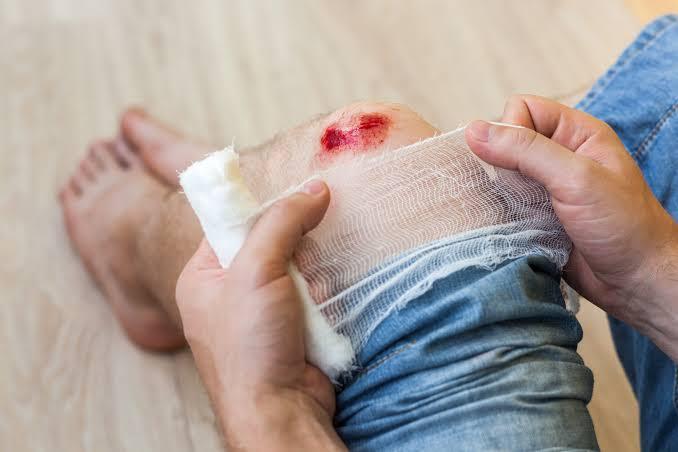
Recovering after orthopedic surgery requires proper care, patience, and attention to wound management to support healing and prevent complications. Wound Dressing at Home in Dubai has become a convenient option for patients who need professional support while recovering after procedures such as joint replacement, fracture repair, or ligament surgery. With guidance from a qualified healthcare professional or Doctor at Home, patients can maintain proper hygiene, follow dressing instructions, and monitor the surgical site without frequent hospital visits. Understanding the correct wound dressing process can make recovery smoother and reduce the risk of infections.
Understanding the Importance of Post-Surgery Wound Dressing:
After orthopedic surgery, the surgical wound requires careful attention because it is vulnerable to bacteria, moisture buildup, and irritation. A proper dressing protects the wound while creating a suitable environment for tissue repair. Changing dressings correctly helps keep the area clean and allows healthcare providers to identify early signs of complications.
Proper wound care after orthopedic procedures is important because bones, joints, muscles, and surrounding tissues need time to recover. A poorly managed wound may delay healing and increase discomfort during the recovery period. Patients should follow the surgeon’s instructions regarding dressing changes, cleaning methods, and activity limitations.
Key reasons why post-surgery wound dressing is essential include:
- Preventing infection by keeping harmful bacteria away from the surgical site
- Absorbing wound drainage and maintaining cleanliness
- Protecting stitches, staples, or incision areas from friction
- Supporting faster healing and tissue regeneration
- Allowing regular monitoring of the wound condition
Steps for Safe Wound Dressing at Home After Orthopedic Surgery:
Performing wound dressing at home requires preparation, cleanliness, and careful handling. Patients and caregivers should always wash their hands before touching the dressing materials or surgical area. Using sterile supplies and following medical instructions helps reduce the chance of contamination.
The general process for changing a surgical dressing includes:
- Washing hands thoroughly with soap and water before starting
- Preparing clean dressing materials, gloves, and recommended solutions
- Carefully removing the old dressing without pulling or disturbing the wound
- Checking the incision for unusual swelling, redness, discharge, or odor
- Cleaning the area only as instructed by the healthcare provider
- Applying a fresh sterile dressing securely
- Disposing of used materials properly after the procedure
Although some patients may manage simple dressing changes independently, orthopedic surgery wounds often require extra care due to their location and complexity. Professional assistance can be helpful, especially during the early recovery period.
Common Mistakes to Avoid During Home Wound Care:
Many patients unintentionally make mistakes while managing surgical wounds at home. Even small errors can affect healing and increase infection risks. Understanding what to avoid helps protect the surgical site and supports a safer recovery.
Common wound dressing mistakes include:
- Touching the wound without clean hands
- Reusing old or unsterile dressing materials
- Changing dressings more frequently than recommended
- Applying creams, powders, or home remedies without medical approval
- Removing scabs or pulling stitches unnecessarily
- Ignoring warning signs such as increased pain or discharge
Patients should also avoid exposing the surgical wound to water unless their healthcare provider confirms it is safe. Keeping the dressing dry and following the recommended care routine are important parts of recovery.
Signs That Require Medical Attention After Surgery:
While mild discomfort and slight swelling may occur after orthopedic surgery, certain symptoms should not be ignored. Early medical evaluation can prevent minor wound issues from becoming serious complications.
Patients should contact a healthcare professional if they notice:
- Increasing redness around the incision
- Severe swelling or warmth near the wound
- Pus, unusual fluid, or unpleasant odor from the dressing
- Fever or chills
- Worsening pain that does not improve with medication
- Separation of the wound edges
- Excessive bleeding from the surgical area
Regular follow-up appointments are also important because surgeons need to evaluate healing progress and ensure the recovery process is going well.
Benefits of Professional Home-Based Wound Dressing Services:
Recovering from orthopedic surgery can limit mobility, making hospital visits challenging. Professional home-based wound care services provide comfort and convenience by bringing trained healthcare support directly to the patient’s home.
Some benefits of receiving professional wound dressing assistance include:
- Reduced risk of incorrect dressing techniques
- Better infection prevention practices
- Support for elderly patients or those with limited movement
- Regular monitoring of wound healing progress
- Greater comfort during the recovery period
- Guidance on proper post-surgery care routines
A trained healthcare provider can assess the wound condition, perform dressing changes safely, and advise patients when additional medical attention is needed.
How to Prepare Your Home for Orthopedic Recovery:
A comfortable recovery environment can make wound care easier and improve overall healing. Before returning home after surgery, patients should organize their living space to reduce physical strain and prevent accidents.
Helpful preparation steps include:
- Keeping dressing supplies in a clean and accessible location
- Maintaining good room hygiene and ventilation
- Removing obstacles that may cause falls
- Arranging comfortable seating and sleeping areas
- Following mobility instructions provided by the surgeon
- Keeping emergency contact details available
Patients should also maintain a healthy lifestyle during recovery by eating nutritious meals, staying hydrated, and following prescribed medications and physical therapy plans.
Role of Healthcare Professionals in Post-Surgical Wound Management:
Healthcare professionals play an important role in ensuring orthopedic wounds heal properly. They provide accurate guidance based on the type of surgery, wound condition, and individual recovery needs.
Professional wound care may include:
- Assessing the healing process during each visit
- Changing dressings using sterile techniques
- Identifying early signs of infection
- Educating patients and caregivers about wound care
- Advising when dressing routines should be adjusted
Having expert support can provide reassurance for patients and families, especially during the first few weeks after surgery when proper wound management is most critical.
Final Thoughts:
Wound dressing after orthopedic surgery is an essential part of recovery that requires cleanliness, consistency, and careful monitoring. Proper wound care helps prevent infections, supports healing, and improves patient comfort during the recovery journey. With the right techniques and professional guidance, patients can safely manage their surgical wounds while recovering at home. Seeking reliable support for Wound Dressing at Home in Dubai can make post-surgery care more convenient and effective, allowing patients to focus on healing and regaining mobility.
Categorias
Leia Mais
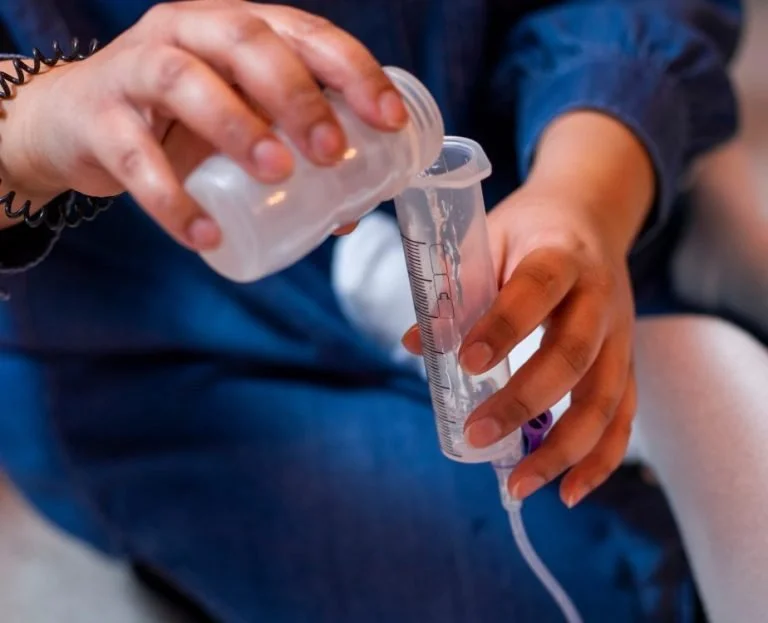
Creating a consistent daily routine is essential for patients who depend on nutritional support through feeding tubes. Tube feeding at home in Dubai allows individuals to receive necessary nutrition while staying in a familiar and comfortable environment. With guidance from healthcare professionals, including a Doctor at Home, families can develop safe routines that support proper feeding,...
Introduction Launching an online store is easier than ever, but building one that consistently generates sales is a different challenge altogether. In 2026, successful e-commerce websites are designed around customer experience, speed, trust, and personalization. Consumers have endless choices, making it essential for businesses to create online stores that not only attract visitors but also...

Real estate is often described as one of the most reliable ways to build long-term wealth, but “reliable” doesn’t mean “simple.” Between financing decisions, market timing, property selection, renovation costs, and exit strategy, even experienced investors can find themselves making choices based on gut instinct rather than data. That’s where real estate...

VAA designed a one-acre cantilevered canopy to protect ship loading operations from the harsh weather conditions common along the Pacific Northwest coast. Frequent rain, strong coastal discrete element method winds, and seasonal precipitation regularly disrupted loading activities at the client’s Port of Tacoma terminal, reducing operational efficiency and impacting service reliability....

Choosing the right approach for improving the appearance of scars begins with careful research. Many people search for Scar Camouflage in Dubai before making a decision because understanding the treatment process helps build realistic expectations and greater confidence. Every scar has unique characteristics, making it important to learn how different techniques work, who may benefit, and what...