Blood Sugar Test: Signs You Should Never Ignore
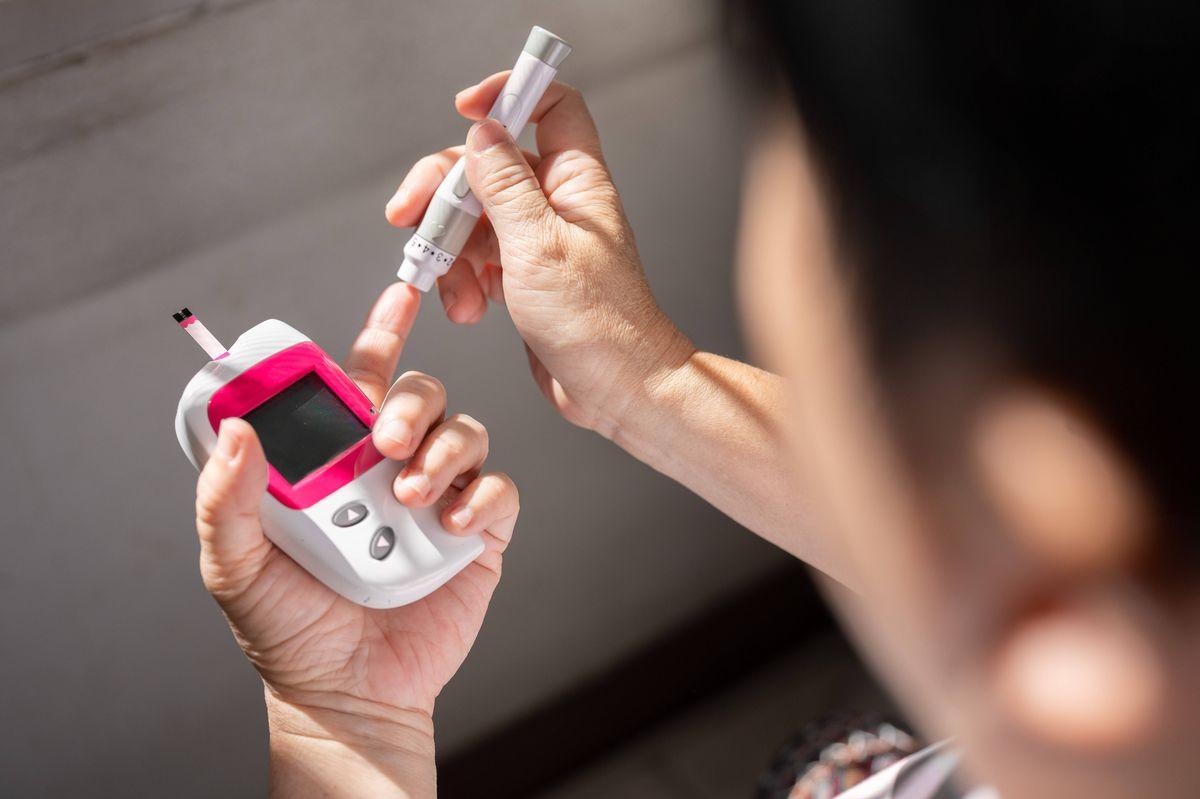
Many health conditions develop quietly, showing only subtle warning signs before becoming serious. Changes in blood sugar levels are among the most common examples. A Blood Sugar Test in Dubai is one of the simplest and most effective ways to determine whether your body is maintaining healthy glucose levels or if there is an underlying condition that requires medical attention.
High blood sugar and low blood sugar can affect people of all ages, and the symptoms are often mistaken for stress, fatigue, or everyday health issues. Ignoring these early signs may delay diagnosis and increase the risk of complications affecting the heart, kidneys, eyes, nerves, and blood vessels.
This article explains the warning signs you should never ignore, why blood sugar testing matters, what causes abnormal glucose levels, and how early detection supports better long-term health.
Why Blood Sugar Levels Matter?
Blood glucose is the body's primary source of energy. After you eat, carbohydrates are converted into glucose and released into the bloodstream. The pancreas produces insulin, which helps transport glucose into cells where it is used for energy.
When insulin production is insufficient or the body cannot respond properly to insulin, blood glucose levels become unbalanced. Elevated blood sugar, known as hyperglycemia, and low blood sugar, known as hypoglycemia, can both cause health problems if left untreated.
A blood sugar test measures the amount of glucose in your bloodstream and helps healthcare providers determine whether your body's glucose regulation is functioning normally.
Early Warning Signs That Should Never Be Ignored:
Many people experience symptoms long before receiving a diagnosis of diabetes or another metabolic condition. Paying attention to these changes can help you seek medical advice at the right time.
Frequent Thirst:
Feeling thirsty occasionally is normal, especially after exercise or during hot weather. However, constant or excessive thirst without an obvious reason may indicate elevated blood glucose.
When blood sugar levels rise, the kidneys work harder to remove excess glucose through urine, leading to increased fluid loss and dehydration.
Frequent Urination:
One of the earliest signs of high blood sugar is urinating more often than usual, particularly during the night.
As glucose builds up in the bloodstream, the kidneys eliminate the excess sugar through urine, increasing urine production.
Constant Fatigue:
Persistent tiredness that does not improve with rest can be associated with abnormal blood glucose levels.
When glucose cannot enter the body's cells efficiently, the cells receive less energy, leaving you feeling weak and exhausted.
Blurred Vision:
Temporary or recurring blurred vision may occur when high blood sugar causes fluid shifts that affect the shape of the eye's lens.
Ignoring vision changes can increase the risk of long-term eye complications if blood sugar remains uncontrolled.
Increased Hunger:
If you feel hungry even after eating balanced meals, your body may not be using glucose effectively.
Cells that cannot absorb enough glucose continue signaling the brain for additional energy, resulting in increased appetite.
Slow-Healing Cuts and Wounds:
High blood glucose may reduce circulation and impair the body's natural healing process.
Cuts, scrapes, and minor injuries that heal slowly should not be ignored, especially when combined with other symptoms.
Unexplained Weight Loss:
Unexpected weight loss without changes in diet or physical activity can occur when the body begins using muscle and fat for energy instead of glucose.
This symptom is particularly common in untreated diabetes.
Frequent Infections:
Repeated skin infections, urinary tract infections, or gum infections may be associated with elevated blood sugar levels.
High glucose creates an environment where bacteria and fungi grow more easily while reducing immune function.
Tingling or Numbness:
Persistent tingling, burning sensations, or numbness in the hands and feet may indicate nerve damage related to prolonged high blood glucose.
Early blood sugar testing can help identify the cause before permanent nerve damage develops.
Difficulty Concentrating:
The brain depends heavily on glucose for normal function.
Both high and low blood sugar levels can affect memory, concentration, and mental clarity.
Symptoms of Low Blood Sugar:
Although high blood sugar receives significant attention, low blood glucose also requires prompt recognition.
Signs of hypoglycemia include:
- Sudden sweating
- Shaking
- Dizziness
- Rapid heartbeat
- Irritability
- Confusion
- Hunger
- Weakness
- Difficulty speaking
- Loss of coordination
Individuals receiving diabetes treatment should monitor these symptoms carefully.
Common Causes of Abnormal Blood Sugar:
Blood sugar levels may change for many reasons beyond diabetes alone.
Common contributing factors include:
Poor Dietary Habits:
Regular consumption of sugary beverages, processed foods, refined carbohydrates, and excessive calories can contribute to elevated blood glucose over time.
Physical Inactivity:
Lack of exercise reduces insulin sensitivity, making it more difficult for glucose to enter the body's cells.
Family History:
Genetics significantly influence diabetes risk.
Individuals with close relatives who have diabetes often benefit from regular blood glucose screening.
Excess Body Weight:
Being overweight increases insulin resistance, particularly when excess fat accumulates around the abdomen.
Hormonal Changes:
Pregnancy, thyroid disorders, and certain hormonal conditions may affect glucose regulation.
Medications:
Some medications, including corticosteroids and certain hormone therapies, may temporarily raise blood sugar levels.
When Should You Schedule a Blood Sugar Test?
You should consider a blood sugar test if you:
- Experience multiple warning signs
- Have a family history of diabetes
- Are overweight
- Have high blood pressure
- Have elevated cholesterol
- Are physically inactive
- Have previously been diagnosed with prediabetes
- Experienced gestational diabetes
- Want routine preventive health screening
Early testing helps detect abnormalities before symptoms become severe.
Types of Blood Sugar Tests:
Healthcare providers use different blood glucose tests depending on the clinical situation.
Fasting Blood Sugar Test:
Measures glucose after fasting and is commonly used for routine diabetes screening.
Random Blood Sugar Test:
Measures blood glucose regardless of meal timing and helps evaluate symptoms quickly.
Oral Glucose Tolerance Test:
Assesses how efficiently the body processes glucose over several hours.
Hemoglobin A1C Test:
Measures average blood glucose over approximately three months and provides a long-term view of blood sugar management.
What Happens During a Blood Sugar Test?
Most blood sugar tests require only a small blood sample.
The healthcare provider typically:
- Cleans the skin
- Collects blood from a vein or fingertip
- Sends the sample for laboratory analysis
- Reviews the results with you
The procedure is quick, safe, and usually completed within minutes.
Why Early Detection Is So Important?
Many complications associated with uncontrolled blood glucose develop gradually.
Routine blood sugar testing allows healthcare providers to identify problems before they cause irreversible damage.
Early diagnosis can help prevent complications involving:
- Heart disease
- Stroke
- Kidney disease
- Vision loss
- Nerve damage
- Poor circulation
- Foot problems
Prompt intervention often results in better long-term outcomes.
Healthy Habits That Support Normal Blood Sugar:
Although some risk factors cannot be changed, healthy lifestyle choices greatly improve blood glucose regulation.
Eat Balanced Meals:
Choose foods rich in:
- Whole grains
- Fresh vegetables
- Fruits
- Lean protein
- Healthy fats
- Dietary fiber
Balanced meals help reduce rapid blood sugar fluctuations.
Exercise Regularly:
Physical activity improves insulin sensitivity and allows muscles to use glucose more efficiently.
Walking, swimming, cycling, and resistance training all contribute to healthier blood sugar control.
Maintain a Healthy Weight:
Losing even a modest amount of excess weight may improve insulin function and reduce diabetes risk.
Drink Enough Water:
Proper hydration supports kidney function and healthy blood circulation.
Sleep Well:
Poor sleep affects hormones involved in glucose metabolism and appetite regulation.
Aim for consistent, high-quality sleep each night.
Reduce Stress:
Long-term stress increases cortisol levels, which may contribute to elevated blood glucose.
Meditation, breathing exercises, yoga, and regular physical activity help reduce stress naturally.
Common Myths About Blood Sugar Symptoms:
Several misconceptions prevent people from seeking timely medical care.
Myth: Only Older Adults Develop Blood Sugar Problems
People of all ages can experience abnormal blood glucose, including children and young adults.
Myth: If You Feel Fine, Your Blood Sugar Must Be Normal
Many individuals with prediabetes or early diabetes have no symptoms at all.
Routine screening remains important.
Myth: Sugar Alone Causes Diabetes
Diabetes develops through a combination of genetics, insulin resistance, body weight, physical activity, and other health factors.
Myth: Blood Sugar Tests Are Painful
Most blood sugar tests involve only minor discomfort and are completed quickly.
Frequently Asked Questions:
Can stress increase blood sugar?
Yes. Stress hormones may temporarily elevate blood glucose levels.
Is one abnormal blood sugar result enough for diagnosis?
Not always. Healthcare providers often recommend repeat testing or additional laboratory evaluations before confirming a diagnosis.
How often should blood sugar be checked?
Testing frequency depends on individual health risks, medical history, and your healthcare provider's recommendations.
Can lifestyle changes improve blood sugar?
For many people with prediabetes or insulin resistance, healthy eating, regular exercise, weight management, and adequate sleep significantly improve blood glucose control.
Conclusion:
A blood sugar Lab tests is far more than a routine laboratory procedure—it is an essential tool for identifying health issues before they become serious. Warning signs such as excessive thirst, frequent urination, unexplained fatigue, blurred vision, slow-healing wounds, recurring infections, and unexpected weight loss should never be ignored, as they may indicate abnormal blood glucose levels that require medical evaluation.
Early blood sugar testing allows healthcare professionals to diagnose conditions such as prediabetes and diabetes, monitor glucose control, and recommend effective treatment or lifestyle changes. Combined with balanced nutrition, regular physical activity, healthy weight management, sufficient sleep, and routine medical checkups, timely blood sugar testing helps protect your heart, kidneys, eyes, nerves, and overall quality of life. Recognizing the warning signs today can make a meaningful difference in your long-term health tomorrow.
Categorías
Read More
MMOEXP offers one of the most reliable solutions for purchasing game currency, items,accounts, and more.You can now use the exclusive discount code "east" to enjoy a 8% discount. Tired of struggling to stack enough FC 26 Coins to build your dream Ultimate Team? Wasted countless hours on ineffective grinding and risky pack openings with little reward? Many FC 26 players fall flat at...

Modern life can place tremendous demands on both the body and mind. Long work hours, physical activity, daily stress, and poor posture often lead to muscle tension, fatigue, and discomfort. Taking time for a professional massage in Santa Rosa is one of the most effective ways to relax, relieve pain, and improve overall well-being. At Jessie Jing Massage, we believe massage therapy is more than...

Professional Painters in Lake Nona, FL Your home or business deserves a fresh, professional finish that enhances its appearance and protects it from Florida's climate. If you're searching for experienced painters in Lake Nona, FL, United Painting & Home Improvement provides high-quality painting services with exceptional craftsmanship and reliable customer service. Whether you're updating a...