


Electrical Maintenance Services Dubai for Long Lasting Power System Reliability
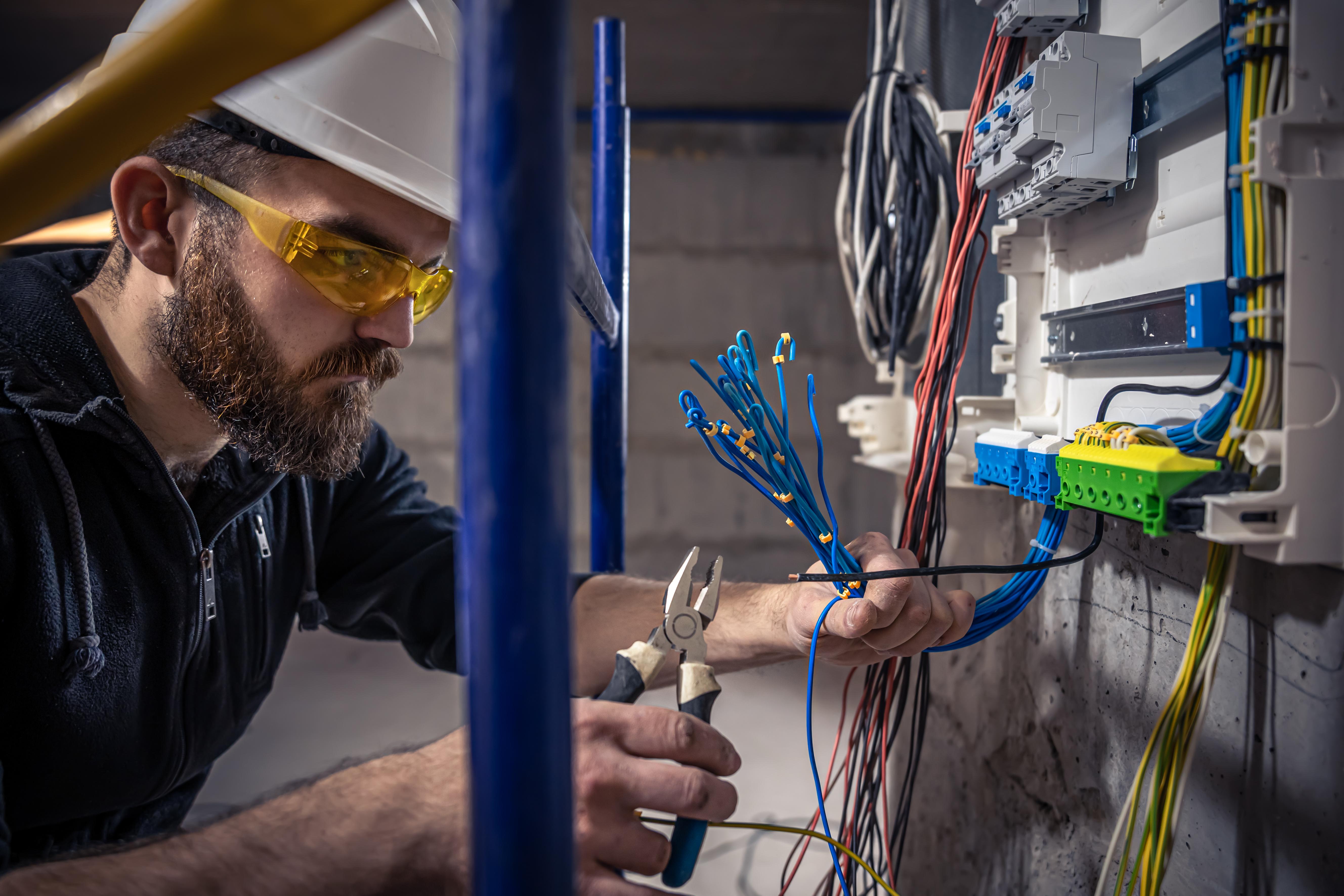
Maintaining a continuous flow of electricity is a fundamental operational necessity in a highly developed metropolitan hub. Modern commercial facilities, towering high-rises, and intensive industrial complexes rely entirely on a stable power infrastructure to keep their systems running smoothly. When the electrical network experiences an unexpected failure, the resulting downtime can cause severe financial losses and compromise safety.
Protecting critical assets requires moving away from reactive emergency fixes and adopting a systematic, proactive maintenance approach. This comprehensive guide explores why regular grid upkeep is essential for long-term system reliability. It highlights the essential diagnostic steps, common installation errors, and regional compliance standards that facility managers must prioritize to protect their investments.
The Unique Challenges of the Desert Climate on Local Grids
The regional environment presents a highly demanding landscape for electrical infrastructure. Extreme summer temperatures routinely exceed 45 degrees Celsius, placing an immense thermal load on heavy power distribution cables and sensitive control components. This continuous ambient heat reduces the natural heat dissipation capacity of electrical enclosures, forcing systems to run close to their physical limits.
High atmospheric humidity combined with airborne dust creates another critical challenge for local operations. Fine dust particles easily find their way inside ventilated control boards and settle directly on conductive surfaces. When humidity levels spike, this accumulated layer of dust absorbs moisture from the air, transforming into a conductive paste. This compromised state leads to tracking currents, insulation degradation, and eventual flashover faults.
Finally, the coastal location introduces airborne salt spray, which accelerates the corrosion of exposed metal joints, structural copper busbars, and grounding terminals. Over time, salt-induced oxidation degrades terminal connection points, creating localized points of high resistance. This resistance generates dangerous, isolated hotspots that can trigger major electrical fires if left unmonitored.
Why a Preventative Strategy is Your Best Defense
Waiting for a component to fail before initiating repairs is an expensive and dangerous strategy. Reactive emergency maintenance inevitably leads to extended, unscheduled facility closures, rushed procurement costs, and potential safety hazards for on-site personnel. A well-structured preventative framework is essential to preserve the structural and operational safety of your building's energy core.
By carrying out planned diagnostic checks, facility engineers can identify minor component deterioration before it translates into a system shutdown. For example, tracking slight temperature spikes in an incoming breaker helps the team plan a scheduled replacement during off-peak hours. This systematic approach ensures that operational disruptions remain minimal while maximizing the overall lifespan of heavy distribution equipment.
Partnering with certified experts is the most reliable way to execute these advanced protective diagnostics. Seeking professional Electrical Maintenance Services Dubai authorities approve guarantees that your building's primary distribution systems are evaluated using high-precision equipment. These dedicated professionals understand how to navigate the complex challenges posed by local humidity and high cooling demands, ensuring your facility remains fully resilient.
Safeguarding Against Sudden Blackouts
Unexpected blackouts can instantly halt production lines, corrupt critical database servers, and disable essential life-safety systems. Implementing a structured, preventative testing program ensures that emergency backup systems, backup battery banks, and automatic transfer switches (ATS) remain fully prepared to initiate instantly when the main grid fluctuates.
Ensuring Strict DEWA and Safety Compliance
Local regulatory bodies, such as the Dubai Electricity and Water Authority (DEWA), mandate strict adherence to international safety and installation standards. Routine professional inspections keep your electrical installations aligned with these legal requirements. This compliance protects your business from expensive regulatory penalties and ensures your facility remains eligible for standard commercial property insurance coverage.
Vital Maintenance Diagnostic Tools and Methods
Managing an advanced distribution grid requires moving beyond basic visual inspections and using sophisticated, non-destructive testing approaches. These diagnostic methods provide detailed insights into the internal health of complex machinery without requiring a complete system shutdown:
-
Thermography Scan: Utilizes high-resolution infrared cameras to detect abnormal thermal signatures on active terminal joints and contacts under normal load conditions.
-
Insulation Resistance Testing: Verifies the dielectric strength and safety thresholds of internal power cabling under high test voltages.
-
Ultrasonic Audit: Uses high-frequency sound detection devices to listen for active electrical arcing and micro-corona discharges inside sealed enclosures.
Infrared Thermography Inspections
Infrared thermal imaging is one of the most effective tools for modern electrical maintenance. While a panel is running under its normal operational load, an engineer uses a high-resolution thermal camera to scan the internal terminations and joints. Any loose connections or failing components will show up as localized hot spots on the thermal image. This early warning allows technicians to clean, retighten, or replace the affected parts before a fire or short circuit occurs.
Insulative Integrity and Earth Continuity Testing
Over time, constant heat cycles and moisture degrade the protective insulation shielding your power cables. Applying a precise insulation resistance test (often called megger testing) helps measure the exact health of the cabling jacket. Simultaneously, verifying the earth ground connection loop guarantees that stray fault currents will route safely into the earth rather than passing through building occupants or sensitive equipment.
To execute these highly technical procedures, you should collaborate with an experienced Electrical Switchgear Company in Dubai that possesses the specialized tools and certified engineers required for precise diagnostics. Working with qualified local engineering specialists ensures that your low-voltage and medium-voltage panels are assessed in strict compliance with international IEC benchmarks and local utility regulations.
Overcoming Common Failures in High-Load Systems
High-load systems face several operational issues that can quietly degrade electrical components over time if left unaddressed.
Chronic Overloading and Poor Load Balancing
As businesses expand, they often add new equipment to existing electrical panels without checking the total system load capacity. This gradual addition can overload individual phases, causing unbalanced currents that overheat the neutral conductor. Regular load-balancing assessments help redistribute these currents evenly across all three phases, preventing breaker trips and protecting sensitive motors from winding damage.
Harmonic Distortion from Non-Linear Loads
Modern buildings are filled with non-linear loads, such as LED lighting systems, variable frequency drives (VFDs), and computer servers. These devices draw current in sharp pulses, injecting high-frequency harmonic waves back into the electrical distribution system. These harmonics cause transformers to run unusually hot and can lead to premature failure of power factor correction capacitor banks. Installing harmonic filters and detuned reactors is crucial to keeping your power quality clean and stable.
Cable Termination Failures
Thermal expansion and contraction can cause bolted electrical connections to loosen over time. In Dubai's hot climate, these temperature fluctuations are amplified, increasing the risk of loose terminations. A loose connection creates electrical resistance, which generates heat, degrades the surrounding insulation, and can eventually cause a destructive electrical arc.
Establishing a Robust Routine Maintenance Checklist
Keeping an electrical system reliable requires a disciplined maintenance schedule. The checklist below outlines a practical timeline of essential tasks for commercial and industrial facility teams.
Daily and Weekly Telemetry Verification
-
Monitor System Voltage and Load Currents: Check that all operating levels remain within safe design thresholds.
-
Inspect Environmental Controls: Verify that ventilation fans and dedicated panel AC units are working properly to prevent heat buildup.
-
Clear Fault Alarms: Address and document any warnings on main power quality meters or protection relays.
Quarterly Target Inspections
-
Perform Infrared Thermography: Scan all active distribution boards under load to identify early hot spots.
-
Check Enclosure Seals: Inspect panel doors, cable glands, and structural gaskets for dust or moisture ingress.
-
Test Emergency Illumination: Confirm that exit signs and emergency lighting battery units are fully operational.
Annual Comprehensive Service Shutdowns
-
Clean Internal Enclosures: Safely power down panels and remove dust using specialized vacuums.
-
Torque and Retighten Joints: Check all internal power connections with a calibrated torque wrench.
-
Conduct Insulation Testing: Run megger tests on key feeder cables to verify insulation health.
-
Test Protective Relays: Perform secondary injection tests to verify that breakers trip within safe timeframes.
Conclusion
Securing the long-term reliability of your facility's electrical system requires a continuous commitment to proactive maintenance. By understanding the unique environmental challenges of the region, utilizing advanced non-destructive diagnostic tools, and sticking to a consistent inspection schedule, you can prevent catastrophic failures, reduce operational costs, and protect your building's occupants. Partnering with qualified local engineers ensures your distribution assets remain fully compliant, highly efficient, and ready to support your business operations for years to come. Take a proactive step today: audit your current maintenance logs, consult with certified experts, and build an electrical infrastructure engineered for the future.
Kategorien
Mehr lesen
With electricity prices increasing every year, homeowners and businesses are searching for reliable and cost-effective energy solutions. Solar energy has become one of the smartest investments for reducing electricity bills while supporting a cleaner environment. If you are looking for the best solar company in Faridabad, PerfectSolar Energy provides high-quality industrial solar systems and...
Black fungus, medically called mucormycosis, is a rare but serious fungal infection that can rapidly affect the nose, sinuses, eyes, lungs, and even the brain if not treated promptly. During the COVID-19 pandemic, awareness about black fungus increased significantly because many patients with weakened immunity developed this life-threatening condition. The infection requires immediate medical...

The global FMCG Logistics Market is witnessing significant growth as the demand for efficient supply chain management, faster product deliveries, and advanced warehousing solutions continues to rise. Fast-Moving Consumer Goods (FMCG), including food and beverages, personal care products, household goods, and packaged consumer products, require reliable logistics networks to ensure...

When it comes to keeping your vehicle spotless, choosing the Best Hand Car Wash service makes all the difference. At Bright Valeting, we take pride in delivering premium car cleaning solutions designed to leave every vehicle looking showroom fresh. Whether you are searching for a Super Hand Car Wash, a reliable Hand Car Wash Close To Me, or a trusted Near Me Hand Car Wash, Bright Valeting...

