Why Heat Pump Maintenance in Tucson, AZ Matters More Than Most Homeowners Realize
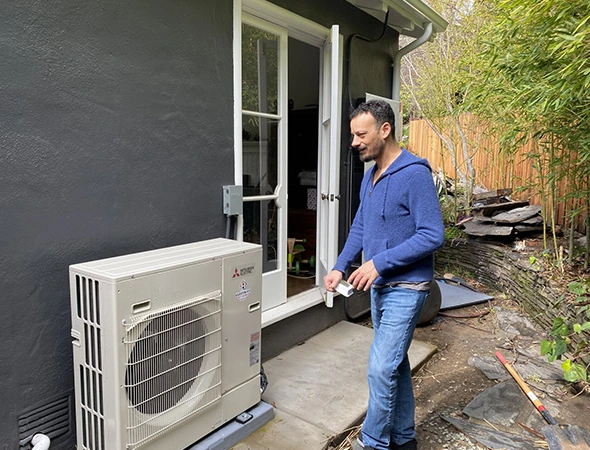
A heat pump that quits in July isn't a small problem. In Tucson, where summer highs sit above 100°F for weeks, a failed system turns a house into an oven within hours. Most of those failures trace back to one thing: skipped upkeep. Regular Heat Pump Maintenance in Tucson, AZ keeps a system running through the hardest months and prevents the mid-afternoon breakdown nobody sees coming.
A heat pump moves heat instead of making it. In summer it pulls warm air out of your home. In winter it does the reverse. That flexibility is what makes the equipment popular across southern Arizona, but it also means the system runs nearly year-round. Constant use wears parts faster.
What Desert Heat Does to a Heat Pump
Dust is the quiet killer. Tucson air carries fine desert particles that settle on coils and clog filters faster than in wetter climates. A dirty coil forces the system to work harder to move the same amount of heat. That extra strain shortens the compressor's life and raises energy bills.
Filters take the first hit. In a dusty region, a filter that a manufacturer rates for 90 days often needs replacing every 30 to 45 days. A clogged filter restricts airflow, which drops efficiency and can freeze the indoor coil.
Refrigerant matters too. Refrigerant — the fluid that carries heat through the system — should stay at a fixed level. A slow leak lowers cooling capacity long before the system stops entirely. You feel it as air that's cooler than room temperature but never quite cold.
Then there's the outdoor unit. It sits in full sun, absorbs heat, and collects debris. Bent fins, blocked airflow, and worn fan motors all reduce output. In the desert, an outdoor unit runs under more stress than the same model would in a coastal climate.
The Payoff of Staying Ahead of Repairs
Maintenance costs less than replacement. A tune-up runs a fraction of what a new compressor or full system swap costs, and it catches small faults before they cascade into big ones. That's the core trade-off: pay a little on a schedule, or pay a lot at once.
Efficiency is the second payoff. A well-maintained heat pump uses less electricity to hit the same indoor temperature. Over a Tucson cooling season that runs six months or longer, the savings on power bills add up in a way that's easy to measure.
Reliability is the third. A system that gets checked before summer is far less likely to fail during a heat wave — exactly when repair crews are busiest and appointment slots are hardest to book. Waiting until something breaks means competing with everyone else who waited too.
Comfort rounds it out. Balanced airflow, clean filters, and correct refrigerant levels mean fewer hot spots and steadier temperatures room to room. You notice the difference most in the parts of the house that always seemed to run warm.
Real Situations Homeowners Run Into
Consider a family in Green Valley whose system started blowing lukewarm air one August afternoon. The cause turned out to be a low refrigerant charge from a slow leak — a common trigger for Heat Pump Repair in Green Valley, AZ during peak season. A pre-summer check would have flagged the drop before it left them sweating.
Or take the homeowner who ran the same filter for a full season. Airflow dropped, the coil iced over, and the system shut itself down to avoid damage. A $15 filter and a five-minute swap would have prevented a service call.
These cases share a pattern. Small, cheap fixes get ignored until they become expensive emergencies. Local providers such as Superior Air Heating & Cooling LLC often report that the busiest repair calls cluster in the same summer weeks — usually for problems that routine checks would have caught in spring.
The lesson holds across the region. Whether it's Heat Pump Repair in Green Valley, AZ or routine servicing in central Tucson, the systems that fail hardest are almost always the ones that went the longest without a look.
Building a Simple Upkeep Rhythm
Timing beats guesswork. The strongest schedule puts a professional inspection in early spring, before the cooling load ramps up, and a second check in fall before any heating demand. Two visits a year cover the seasons that stress the equipment most.
Between visits, the work is small. Check the filter monthly and replace it when it looks gray. Keep the outdoor unit clear of leaves, dust buildup, and anything stacked within two feet of it. Rinse the outdoor coil gently with a hose if you see visible dirt.
Leave the technical work to a licensed technician. Refrigerant handling, electrical checks, and compressor diagnostics require tools and training most homeowners don't have. Knowing where your role ends and a pro's begins is part of a good maintenance habit.
FAQs
How often should a heat pump be serviced in Tucson?
Twice a year works best in a desert climate — once in spring and once in fall. The heavy dust and long cooling season put more strain on the system than in milder regions.
How often should I change the filter?
In Tucson's dusty air, check the filter every 30 days and replace it every 30 to 45. A clogged filter cuts airflow and can freeze the coil.
What are common signs a heat pump needs repair?
Watch for air that isn't as cold as it should be, higher-than-usual power bills, strange noises, or ice on the coils. Any of these means it's time for a professional look.
Can I clean the outdoor unit myself?
Yes, for basic care. Clear away debris and rinse visible dirt off the coil with a hose. Leave refrigerant, electrical, and mechanical work to a licensed technician.
Is maintenance really cheaper than repair?
Almost always. A seasonal tune-up costs far less than a compressor replacement or full system swap, and it catches small faults before they turn into expensive breakdowns.
Categories
Read More
Modern Warfare 4's Create a Class menu feels like a real reset. The layout is stripped back, easy to read, and quick to move through, which is exactly what a lot of players wanted after years of cluttered screens. If you spend any time inside MW4 Bot Lobbies, you will notice how fast the system lets you swap between setups without slowing the pace. That matters. The left-side navigation, the...

MBOX is a popular email file format used by email clients such as Mozilla Thunderbird, Apple Mail, Eudora, SeaMonkey, and others. However, Microsoft Outlook does not support MBOX files directly. Instead, Outlook stores mailbox data in PST (Personal Storage Table) format. If you're switching from an MBOX-supported email client to Outlook, converting MBOX to PST is essential. This guide explains...

In today’s highly competitive digital landscape, businesses cannot rely on traditional marketing alone. The demand for strong online visibility, consistent branding, and measurable ROI has made professional support essential. This is where marketing agencies in Karachi play a critical role. With the rapid growth of e-commerce, social media platforms, and digital-first consumer...