B.Ed Admission in Delhi 2026: Step-by-Step Admission Guide
Choosing teaching as a profession is not just about getting a degree. It is about developing the knowledge, confidence, and practical skills needed to guide future generations. If you have completed your graduation and want to build a career in education, a Bachelor of Education (B.Ed) is one of the most important qualifications you can earn.
Every year, thousands of aspiring teachers look for B.Ed Admission in Delhi because the city offers access to recognized universities, experienced faculty, and a wide range of teacher education institutes. However, getting admission becomes much easier when you understand the eligibility criteria, admission procedure, fee structure, and document requirements before applying.
This guide explains the complete admission process in simple language so that you can prepare with confidence and avoid common mistakes.
What is a B.Ed Course?
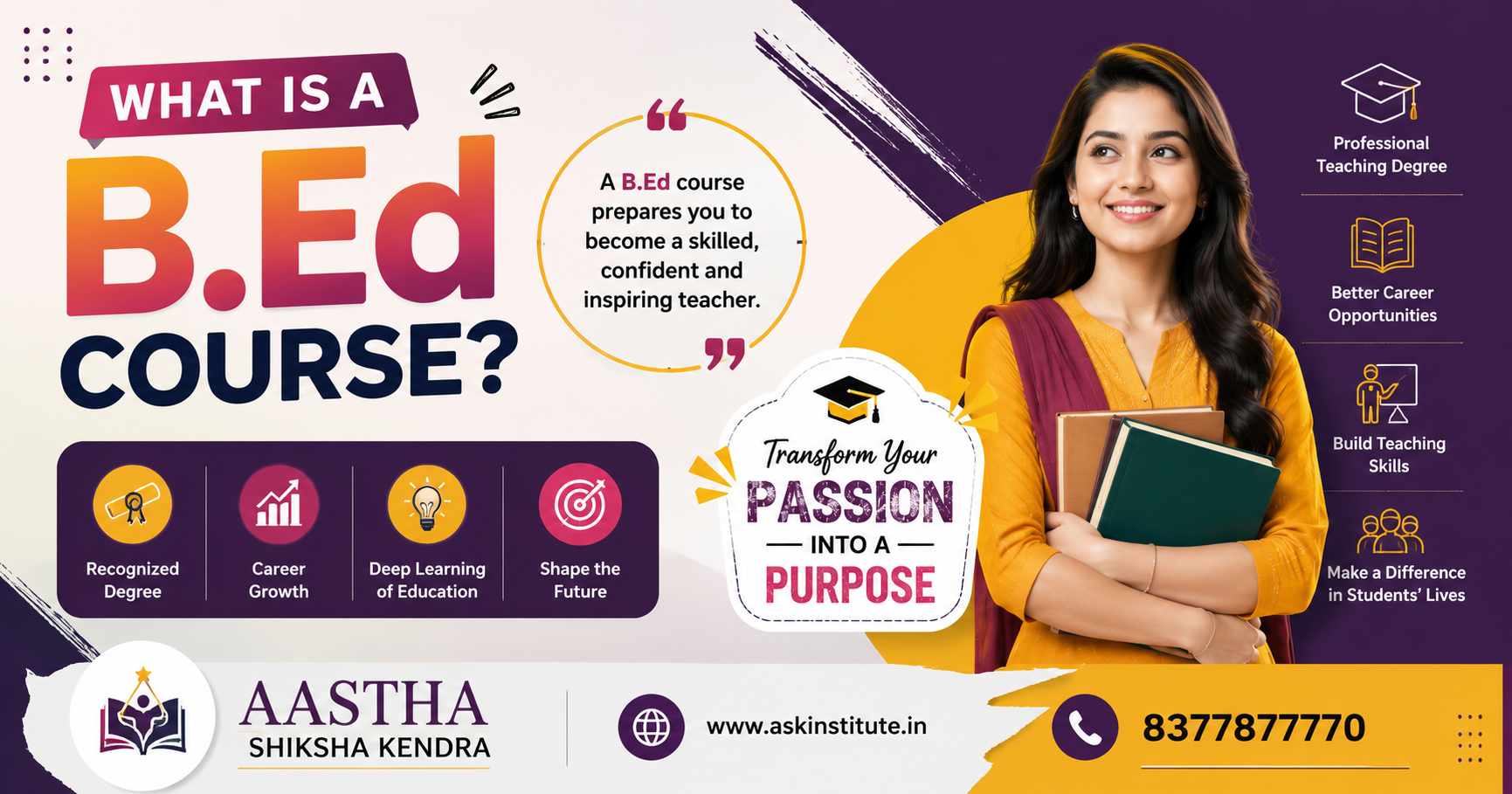
A Bachelor of Education (B.Ed) is a professional teacher training programme for graduates who want to teach in schools. The course combines classroom learning with practical teaching experience to help students become skilled educators.
During the programme, students learn educational psychology, lesson planning, classroom management, teaching methods, child development, and assessment techniques. They also complete practical teaching sessions in schools, which help bridge the gap between theory and real classroom experience.
A B.Ed qualification is widely accepted for teaching positions in schools, subject to the recruitment rules and eligibility requirements of the relevant authorities.
Why Choose a B.Ed in 2026?
The education sector continues to evolve with digital learning tools, activity-based teaching, and student-centred classrooms. Schools now expect teachers to do much more than deliver lectures. They need professionals who can engage students, encourage critical thinking, and create positive learning environments.
A B.Ed programme helps you:
-
Build strong teaching skills.
-
Improve communication and presentation abilities.
-
Learn classroom management techniques.
-
Understand different learning styles.
-
Gain practical teaching experience through internships.
Teaching is one profession where every day offers a chance to learn something new. Even the best teachers proudly admit they continue learning throughout their careers.
B.Ed Admission in Delhi 2026: Eligibility Criteria
Before submitting your application, make sure you satisfy the eligibility requirements of your chosen university or institution.
Educational Qualification
Applicants should have completed graduation or post-graduation from a recognized university.
Minimum Marks
Many universities require at least 50% marks in the qualifying examination. Relaxation for reserved categories may be available according to applicable regulations.
Age Limit
Several universities do not specify an upper age limit for admission. Students should always verify the latest admission notification of the institution before applying.
Essential Documents
Generally, applicants should keep the following documents ready:
-
Graduation mark sheets
-
Degree certificate
-
Valid identity proof
-
Passport-size photographs
-
Category certificate, if applicable
-
Migration certificate where required
Preparing these documents in advance makes the admission process much smoother.
Step-by-Step Admission Process
Although every university has its own admission policy, the basic process remains quite similar.
Step 1: Check the Official Eligibility Criteria
Read the admission notification carefully before applying. Never rely only on social media posts or unofficial information.
Step 2: Complete the Application Form
Fill in your personal, academic, and contact details accurately. Double-check every entry before submission.
Step 3: Upload Documents
Submit scanned copies of all required documents in the prescribed format.
Step 4: Entrance Test or Merit-Based Selection
Some universities conduct entrance examinations, while others prepare merit lists using graduation marks.
Step 5: Counselling and Verification
Shortlisted candidates usually attend counselling sessions and complete document verification before seat allotment.
Step 6: Confirm Admission
Pay the required admission fee within the specified deadline to secure your seat.
Following each step carefully reduces the chances of unnecessary delays or application rejection.
B.Ed Course Fees
The fee structure depends on factors such as the institution, university regulations, facilities, and academic resources.
Government institutions generally charge lower tuition fees than private colleges. Apart from tuition fees, students may also need to pay examination charges, university fees, and other academic expenses.
Always verify the latest fee structure from the respective institution before making any financial decision.
How to Select the Right College
Choosing the right college is an important decision because it influences your learning experience and future career.
Consider the following points:
Recognition
Choose a college affiliated with a recognized university and approved by the relevant regulatory authorities.
Faculty
Experienced teachers contribute significantly to your academic growth.
Teaching Practice
A good B.Ed programme should include meaningful school internships and classroom teaching experience.
Infrastructure
Libraries, smart classrooms, teaching laboratories, and learning resources improve the overall educational experience.
Student Support
Academic guidance, counselling, and career support can help students throughout the course.
Selecting a college only because your friends are applying there may sound like teamwork, but it is not always the best career strategy.
Career Opportunities After B.Ed
A professional teaching qualification opens doors to several career opportunities in education.
Popular options include:
-
Primary School Teacher
-
Secondary School Teacher
-
Senior Secondary Teacher
-
Academic Coordinator
-
Educational Consultant
-
Curriculum Developer
-
Tutor
-
Education Content Writer
-
School Administrator
Many graduates also prepare for teacher recruitment examinations conducted by different education authorities.
Skills You Develop During a B.Ed Programme
-
Effective communication
-
Lesson planning
-
Classroom management
-
Leadership
-
Time management
-
Critical thinking
-
Problem-solving
-
Student assessment
These skills remain useful throughout a teaching career and support long-term professional growth.
Common Admission Mistakes to Avoid
Students often make avoidable mistakes during admissions.
Some of the most common ones include:
-
Ignoring eligibility criteria
-
Missing application deadlines
-
Uploading incorrect documents
-
Not reading official instructions
-
Choosing a college without proper research
-
Waiting until the final day to submit the application
A little planning today saves a lot of stress tomorrow.
Why Students Prefer B.Ed Admission in Delhi
Delhi attracts aspiring teachers from different parts of the country because it offers access to established educational institutions, diverse learning environments, and quality teacher training opportunities.
Students also benefit from experienced faculty, better academic exposure, practical learning opportunities, and access to educational resources. These advantages continue to make B.Ed Admission in Delhi a preferred choice for many graduates planning a career in teaching.
Final Thoughts
A successful teaching career starts with the right preparation. Before applying, understand the eligibility requirements, compare institutions carefully, organise your documents, and complete every admission step on time.
If you are planning for B.Ed Admission in Delhi in 2026, begin your preparation early and stay updated with official university notifications. Careful planning today will help you move confidently towards a rewarding profession that allows you to shape young minds and contribute to society.
Frequently Asked Questions
1. Who can apply for a B.Ed course?
Graduates or postgraduates from recognized universities who meet the eligibility requirements of the respective institution can generally apply.
2. Is there an entrance examination for B.Ed admission?
Admission procedures vary by university. Some institutions conduct entrance examinations, while others offer admission through merit.
3. How long is the B.Ed programme?
The B.Ed programme is generally completed over two academic years, subject to the applicable academic regulations.
4. What documents are required during admission?
Applicants usually need graduation mark sheets, degree certificates, identity proof, photographs, and any additional documents requested by the institution.
5. Why should I start the admission process early?
Applying early gives you enough time to arrange documents, avoid last-minute errors, and complete all formalities before the deadlines.
الأقسام
إقرأ المزيد
Managing a commercial property requires a highly reliable, heavy-duty climate control system to maintain a safe, productive indoor environment. Industrial facilities, retail outlets, and corporate offices operate under intense structural demands, facing extreme summer heatwaves and sharp winter freezes that put massive stress on rooftop units. A sudden heating or cooling failure can disrupt...

Here is a scenario almost every WordPress user has faced. You have spent hours building a perfect landing page the layout is clean, the sections flow beautifully, and every block is exactly where you want it. Now you need to create a similar page for a different service or product. The thought of rebuilding the whole thing from scratch feels exhausting. There has to be a smarter way. There is....

If you own a pool in Abu Dhabi, you already know the struggle. The heat is relentless, the dust never stops, and that sparkling water you dreamed about starts looking murky far too quickly. That's exactly why pool cleaning services are not a luxury in this city — they are an absolute necessity. Whether you have a compact backyard pool or a sprawling commercial one, keeping it clean...

La máquina de limpieza láser se ha convertido en una solución moderna para diferentes industrias que buscan métodos más precisos, eficientes y respetuosos con los materiales durante los procesos de limpieza. Esta tecnología utiliza energía láser concentrada para eliminar óxido, pintura, grasa, suciedad, residuos industriales y otros...
Automated Test Equipment Market: How Smart Testing Solutions Are Driving the Future of Electronics As electronic devices become increasingly sophisticated, manufacturers face growing pressure to ensure product quality, reliability, and performance. This has made Automated Test Equipment (ATE) an essential part of modern electronics manufacturing, enabling faster, more accurate, and...