How Accurate Is a Gut Microbiome Test?
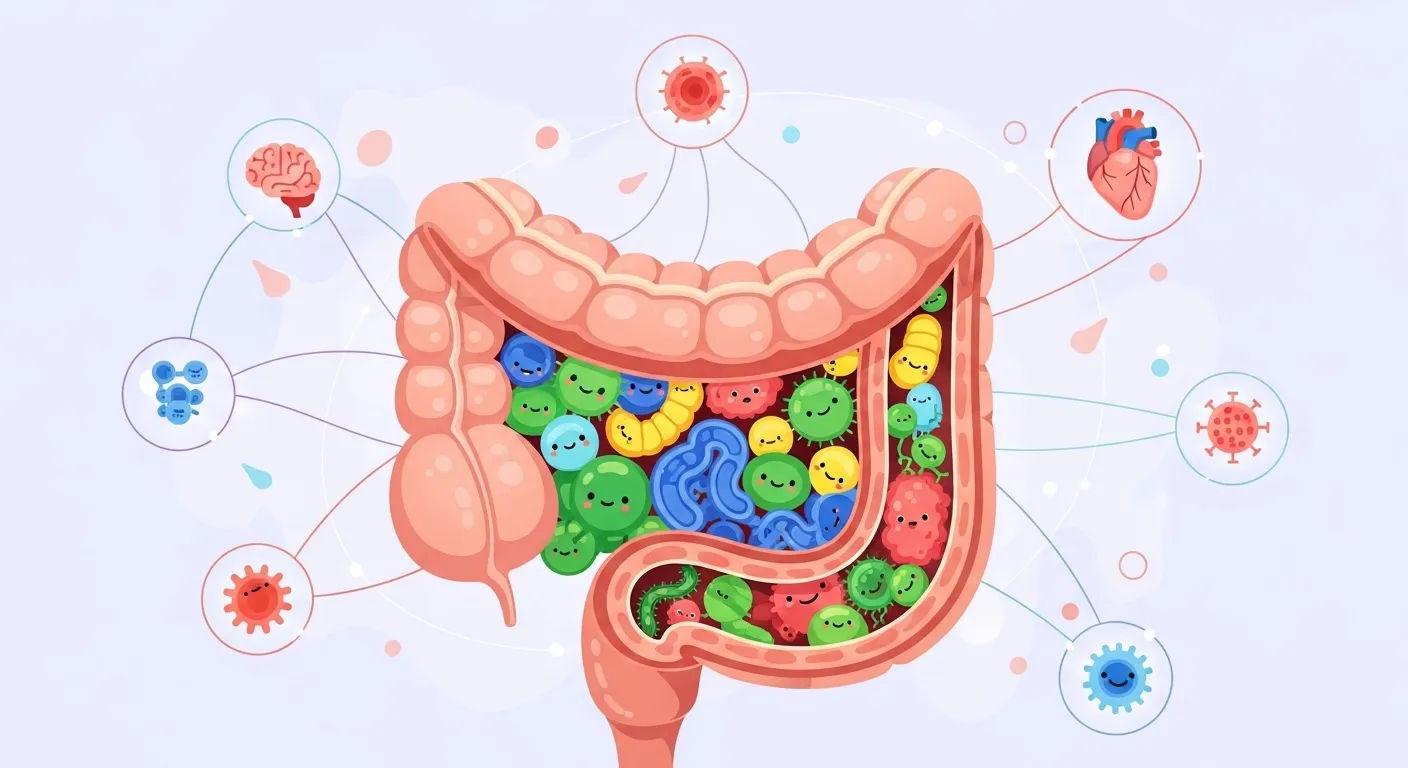
The growing interest in personalized health has brought the gut microbiome test into the spotlight. As more people recognize the connection between gut bacteria and overall well-being, questions about the reliability of these tests have become increasingly common. Can they truly reveal what is happening inside your digestive system? How precise are the results? And should they influence important health decisions?
The short answer is that modern Gut Microbiome Test in Dubai are scientifically advanced and highly accurate at identifying microorganisms in a stool sample. However, understanding what "accuracy" means in microbiome science requires a closer look. While the laboratory technology behind these tests is highly sophisticated, interpreting what the findings mean for an individual's health is still an evolving area of research.
This guide explores how gut microbiome tests work, what makes them reliable, what influences their results, and how to use the information responsibly.
Defining Accuracy in a Gut Microbiome Test:
When people ask whether a gut microbiome test is accurate, they are often referring to two different questions.
The first concerns technical accuracy. Can the laboratory correctly identify the bacteria living in the digestive tract?
The second relates to clinical interpretation. Can those bacterial findings predict health conditions or explain digestive symptoms with certainty?
Modern microbiome testing performs very well in technical identification thanks to DNA sequencing technology. Clinical interpretation, however, is more complex because scientists are still learning how specific bacterial communities influence different aspects of human health.
Understanding this distinction helps set realistic expectations before taking a test.
How Modern Technology Improves Testing Precision?
Today's gut microbiome tests rely on advanced genomic sequencing rather than traditional bacterial cultures.
After receiving a stool sample, laboratories extract microbial DNA and analyze genetic material using next-generation sequencing or similar molecular methods. This approach allows scientists to identify thousands of bacterial species, including microorganisms that cannot be detected through conventional laboratory cultures.
Because DNA sequencing examines genetic material directly, it provides a detailed overview of microbial diversity, bacterial abundance, and overall gut ecosystem composition.
This technology has significantly improved the reliability of microbiome analysis over the past decade.
What Makes the Results Reliable?
Several scientific factors contribute to the accuracy of a gut microbiome test.
Advanced DNA Sequencing:
Modern sequencing techniques identify bacterial DNA with remarkable precision. Instead of estimating microbial populations, laboratories directly analyze genetic material from the sample.
Standardized Laboratory Procedures:
Certified laboratories follow carefully controlled protocols for sample preparation, DNA extraction, sequencing, and data analysis. These quality control measures help ensure consistent and reproducible results.
Comprehensive Microbial Databases:
Sequencing results are compared with extensive microbial reference databases containing thousands of bacterial species. As these databases continue to expand, bacterial identification becomes increasingly accurate.
Improved Bioinformatics:
Powerful computational tools organize millions of DNA sequences into meaningful reports, allowing researchers to evaluate bacterial diversity, relative abundance, and microbial composition with impressive detail.
Why Test Results Can Differ Between Individuals?
One important reason people question microbiome accuracy is because results vary widely between individuals.
Unlike blood type or genetic markers, there is no single "perfect" microbiome.
Every person's gut bacteria are shaped by factors including genetics, diet, age, medications, sleep habits, physical activity, stress levels, travel, environmental exposure, and previous illnesses.
Even identical twins can have noticeably different gut microbiomes due to differences in lifestyle and environmental influences.
Variation between people does not indicate inaccurate testing. Instead, it reflects the natural diversity of the human microbiome.
Factors That Can Influence Your Test Results:
The gut microbiome is constantly changing. Several factors may influence the microbial composition detected during testing.
Recent antibiotic use can temporarily reduce beneficial bacteria alongside harmful microorganisms.
Short-term dietary changes may alter microbial activity, especially when consuming unusually high amounts of fiber or processed foods.
Digestive illnesses, infections, dehydration, travel, and certain medications may also affect bacterial populations.
Even normal daily biological variation contributes to small fluctuations within the gut ecosystem.
Because of these influences, microbiome reports represent a snapshot of your digestive environment at a specific point in time rather than a permanent biological profile.
Can a Gut Microbiome Test Diagnose Disease?
This is one of the most common misunderstandings surrounding microbiome testing.
A gut microbiome test does not diagnose digestive diseases, inflammatory bowel disease, irritable bowel syndrome, colon cancer, food allergies, or autoimmune disorders.
Instead, the test evaluates microbial composition and bacterial diversity.
Although researchers continue to discover associations between certain microbial patterns and specific health conditions, these relationships are often influenced by many additional factors including genetics, lifestyle, medical history, and environmental exposures.
For this reason, microbiome testing should be viewed as a wellness assessment rather than a diagnostic medical examination.
Understanding the Difference Between Correlation and Causation:
Scientific studies frequently identify relationships between gut bacteria and human health.
For example, researchers may observe that individuals with certain digestive disorders often have lower microbial diversity or different bacterial populations.
However, this does not necessarily mean that bacterial changes directly caused the condition.
Sometimes illness alters the microbiome. In other cases, microbiome changes may contribute to disease development. Often, both processes occur simultaneously.
Because these relationships remain under active investigation, responsible interpretation of microbiome results requires caution.
How to Get the Most Accurate Results?
Although laboratories perform sophisticated analyses, individuals also play a role in obtaining reliable results.
Following sample collection instructions carefully reduces contamination and improves laboratory analysis.
Maintaining your normal eating habits before testing provides a more realistic representation of your everyday microbiome.
Avoiding unnecessary changes in diet immediately before sample collection helps prevent temporary fluctuations from influencing results.
If you have recently completed antibiotic treatment, consult healthcare guidance regarding the most appropriate time for microbiome testing, as antibiotics can temporarily alter bacterial populations.
Accurate reporting also depends on sending the sample according to collection instructions and recommended timelines.
What Your Results Can Actually Tell You?
When interpreted appropriately, a gut microbiome test provides meaningful insights into your digestive ecosystem.
The report may reveal overall bacterial diversity, identify beneficial microorganisms, evaluate microbial balance, estimate fiber fermentation capacity, and provide educational information about digestive wellness.
Many reports also include personalized nutrition suggestions designed to support beneficial bacteria through dietary improvements.
These findings encourage healthier lifestyle decisions rather than replacing professional medical advice.
Common Myths About Gut Microbiome Test Accuracy:
Several misconceptions continue to create unrealistic expectations.
One myth suggests that every healthy person should have the same bacterial profile. In reality, healthy microbiomes vary significantly between individuals.
Another misconception assumes that detecting certain bacteria automatically indicates illness. Many bacterial species naturally exist within healthy digestive systems.
Some people believe repeating the test within a few days should produce identical results. Because the microbiome changes continuously, minor differences between tests are completely normal.
Finally, some assume microbiome testing predicts future diseases with certainty. Current scientific evidence does not support this claim.
Should You Trust Your Results?
For educational purposes and personalized wellness planning, modern microbiome testing provides valuable information.
The technology used to identify bacterial DNA is highly reliable, and laboratory accuracy continues to improve as sequencing methods become more sophisticated.
However, interpreting how microbial composition relates to overall health remains an active area of scientific research.
The most effective approach is to combine microbiome insights with medical history, nutritional evaluation, physical examination, and professional healthcare guidance whenever necessary.
Frequently Asked Questions:
Are gut microbiome tests scientifically valid?
Yes. Modern tests use DNA sequencing technologies that accurately identify bacterial species within stool samples.
Why do different laboratories sometimes produce different reports?
Different laboratories may use varying sequencing platforms, reference databases, computational methods, and reporting formats. Although overall findings are often similar, specific bacterial classifications may differ slightly.
Can my gut microbiome change after improving my diet?
Yes. Increasing dietary fiber, eating a greater variety of plant-based foods, consuming fermented foods, exercising regularly, and reducing stress can gradually influence microbial diversity and bacterial composition.
Is one test enough?
A single gut microbiome test provides valuable baseline information. Some individuals repeat testing after several months to observe how lifestyle changes have influenced their microbial profile.
Final Thoughts:
So, how accurate is a gut microbiome test? The answer depends on how accuracy is defined. Modern DNA sequencing technology offers highly reliable identification of the microorganisms living in your digestive tract, making today's microbiome tests scientifically robust from a laboratory perspective. Where greater caution is needed is in interpreting how those microbial patterns relate to overall health, as research in this field continues to evolve.
Rather than viewing a gut microbiome Lab tests as a diagnostic tool, it is best understood as a personalized wellness assessment that provides meaningful insights into digestive health, microbial diversity, and nutrition. Combined with a balanced diet, regular physical activity, quality sleep, stress management, and guidance from qualified healthcare professionals when appropriate, microbiome testing can become a valuable part of a long-term strategy for maintaining digestive wellness and supporting overall health.
الأقسام
إقرأ المزيد
When you notice more hair on your brush than you did before, it may be irritating. Hair loss usually develops in a gradual manner, making people question whether there is any truth in the effectiveness of hair growth products for thinning hair. When you know how the products work, it will help you to get an idea of what you should realistically expect. There are many different hair solutions...

Looking for a trusted recruitment consultancy in Pune? Om Sai Group Consultancy provides reliable workforce solutions for multiple industries with fast and professional support. We help businesses connect with skilled candidates for various roles while saving time and effort. Our experienced team focuses on quality service, smooth communication, and long-term business relationships. Whether you...

Starting a YouTube channel in 2026 is both exciting and challenging. With millions of creators competing for attention, gaining visibility has become increasingly difficult. This is why many beginners consider using a YouTube SMM Panel to kickstart their journey. A YouTube SMM panel provides engagement services such as views, likes, subscribers, and watch time. Platforms like SMMwiz offer...

One Union Solutions delivers warehousing and logistics services designed to streamline inventory management, transportation, distribution, and order fulfillment for businesses operating in competitive global markets.
When someone posts bail and then fails to show up in court, the situation rarely ends there. The legal system has built-in ways to bring that person back, and this is where bail enforcement and bounty hunting in Cleveland enters the picture. It is a side of the justice process that most people never see, yet it plays a real role in how courts and bondsmen manage risk. Picture a defendant who...