Uterine Fibroids: Signs Every Woman Should Know
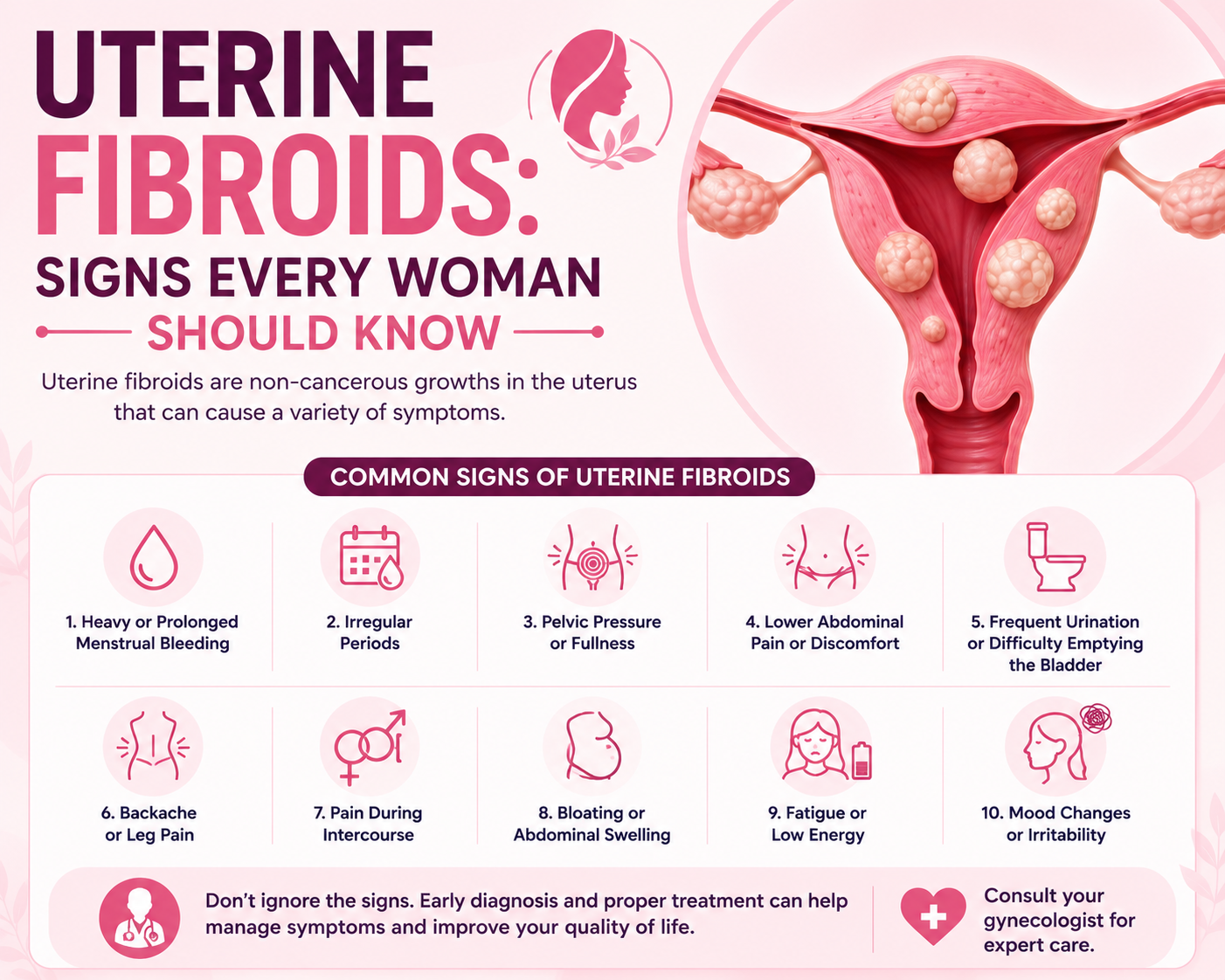
One of the most common gynecological disorders among women of reproductive age is uterine fibroids. Even though these disorders are quite prevalent, many women are not even aware that they have uterine fibroids, as their symptoms are rather mild. But understanding the early warning signs of uterine fibroids is important to diagnose this disorder properly and take appropriate measures to prevent possible complications.
In today’s blog, Dr. Himani Kundoo, a highly skilled and experienced female gynecologist in Gurgaon at Miracles Healthcare, explains everything you need to know about fibroids of the uterus, including their symptoms, causes, diagnosis, and treatment options.
In case you have heavy menstrual cycles or pelvic pain, or you want to get more information about your reproductive system, this blog is for you.
Define Uterine Fibroids
Uterine fibroids (leiomyomas or myomas) are benign tumors that form in or around the uterus. They vary in size, from as small as a seed to as large as a melon, and a woman may have one fibroid or multiple fibroids.
The best thing is that fibroids are almost always benign. However, depending on their size, number, and location, they can cause significant symptoms that interfere with daily life and fertility.
Uterine Fibroids Symptoms Every Woman Should Know
Many women with fibroids experience no symptoms at all. However, if symptoms occur, they may include
-
Heavy Menstruation
Abnormally heavy or extended periods are another very frequent symptom that comes along with uterine fibroids. You may experience:
-
Frequent changing of pads
-
Experiencing large blood clots
-
Menstrual cycles lasting for more than seven days
-
Feeling tired due to blood loss
Heavy bleeding can result in anemia because of iron deficiency.
-
Pelvic Pain or Pressure
The growth of fibroids can cause the sensation of pressure on the lower abdomen or pelvic region. For instance, some patients feel a persistent heaviness due to the enlargement of fibroids.
-
Frequent Urination
Large fibroids may exert pressure on the bladder, resulting in:
-
Frequent urination
-
Incomplete evacuation of the bladder
-
Urgency to urinate, especially during the night
-
Constipation
The fibroids placed at the posterior side of the uterus may exert pressure on the rectum, which causes constipation.
As mentioned by Dr. Himani, "Constipation along with heavy bleeding and pelvic pressure can be a symptom of uterine fibroids."
-
Pain During Sexual Intercourse
In relation to their positions, fibroids can result in pain or discomfort during sexual intercourse. This problem cannot be neglected; therefore, it requires medical attention.
-
Pain in the Lower Back or Legs
Fibroids can cause pain in the lower back or legs by exerting pressure on nerves.
-
Infertility and Miscarriages
Even though many women with fibroids have a successful pregnancy, some fibroids affect fertility or increase risks associated with pregnancy. Women having problems with infertility and miscarriages require examination for fibroids.
If you are experiencing any of the mentioned symptoms of fibroids of the uterus, don't wait. Consult a gynecologist near you immediately to find the fibroids uterus causes.
What Causes Uterine Fibroids?
It is not known what exactly causes fibroids, but some of the causes include the following:
Estrogen and progesterone hormonal imbalances
Having family members that have had fibroids
-
Genetics
-
Being obese
-
Menstruating early in life
-
Age
Fibroids grow in reproductive age and shrink after menopause because of the reduction in hormones.
Who is at Higher Risk of Fibroids of Uterus?
Certain risk factors increase the possibility of having uterine fibroids in some women, which include:
-
Being aged between 30 to 50 years
-
Having a family history of fibroids
-
Being overweight and obese
-
Having hypertension
-
Consuming diets rich in red meats and poor in fruits and vegetables
-
Never being pregnant
Understanding your risk factors will help you get screened for uterine fibroids.
What are the Treatment Options for Uterine Fibroids?
Fibroid therapy choice is determined by your symptoms, age, size of fibroids, whether you want to conceive or not, and general health condition.
-
Medication
Fibroid treatment medications help in:
-
Stopping or controlling heavy periods
-
Pain relief
-
Hormone control
-
Temporarily shrinking fibroids before surgery
-
Minimal Invasive Therapy
Some patients will require minimally invasive procedures that conserve the uterus and allow for quick recovery.
-
Surgery
If your fibroids are big, numerous, and give you trouble, surgery may be required.
Surgery can be:
-
Myomectomy: When fibroids are removed without removing the uterus, so that you can get pregnant in the future.
-
Hysterectomy: In situations when the entire uterus is to be removed, which is advisable in some situations.
When to Visit a Gynecologist?
If you have any of the following symptoms, make an appointment for yourself
-
Abnormally heavy or long menstruation.
-
Intense menstrual pain.
-
Pain and pressure in the pelvis area that is constant.
-
A need to urinate frequently without any signs of infection.
-
Difficulty getting pregnant.
-
Anemia or fatigue with no known reason.
-
Sudden bloating in the stomach.
Conclusion
The occurrence of uterine fibroids is very common; however, it should not be overlooked when it interferes with your menstrual health, daily activities, or reproduction. Awareness about the early symptoms, including menorrhagia, pelvic pain, increased frequency of urination, or persistent pressure, will allow you to start treatment in a timely.
If you have been experiencing any symptoms of uterine fibroids, then you need to book an appointment with a gynecologist at Miracles Healthcare today. It is important to get diagnosed early to receive proper treatment to prevent any further issues.
Miracles Healthcare is the best Women's Hospital in Gurgaon, offering uterine fibroid treatment in Gurgaon since 2002.
-
An experienced team of 50+ female gynecologists, including highly qualified female specialists, offers personalized care for women at every stage of life.
-
Comprehensive diagnosis and treatment for uterine fibroids, PCOS, menstrual disorders, infertility, pregnancy, menopause, and other gynecological conditions.
-
Advanced diagnostic technology for accurate evaluation and customized treatment plans tailored to each patient's needs.
-
Complete maternity and newborn care, backed by thousands of successful deliveries and expert pediatric support.
-
Level III Neonatal Intensive Care Unit (NICU) equipped to provide specialized care for premature and critically ill newborns.
-
24/7 emergency gynecology and maternity services, ensuring timely medical attention whenever needed.
-
Multispecialty support under one roof, allowing seamless access to surgeons, radiologists, physicians, fertility experts, and other specialists for comprehensive care.
-
Conveniently located across Gurgaon with hospitals in Sector 14, Sector 56, and Sector 82, making quality healthcare easily accessible for families.
-
Patient-first approach, focused on compassionate care, evidence-based treatment, and improved health outcomes for every woman.
Book your appointment today and take the first step toward better gynecological health with expert care tailored to your needs.
Kategorien
Mehr lesen
Modern lifestyles have placed enormous strain on eye health. Long screen exposure, poor nutrition, aging, and stress all contribute to common vision issues such as eye strain, blurry vision, dryness, and reduced clarity. In response to these growing concerns, VisiFlora vision support supplement is gaining attention as a unique formula that connects eye health with gut health for more complete...

Performing an Orbi Admin Login is the key to managing your Orbi mesh Wi-Fi system. Whether you want to change your Wi-Fi password, update firmware, create a guest network, or improve your router's security, the admin dashboard gives you full control over your network settings. In this guide, you'll learn how to complete the Orbi Admin Login process, explore its features, troubleshoot common...

DigitalDotsSolutions continues to change every year. New tools, new platforms, and new customer habits are shaping the way businesses connect with people. In 2026, advertising agencies are focusing on smarter and more effective ways to help brands grow online. Businesses today need more than simple ads. They need clear messages, strong branding, and better customer experiences....

The Surprising Intersection of Roots Music and Street Culture The world of style moves in unpredictable cycles, and right now, the biggest shift is happening where heartfelt storytelling meets everyday casual wear. You can see this clearly when you look at how fast authentic artist gear sells out the second a stadium gate opens. Fans no longer want generic, thin t-shirts that shrink after a...