


Indonesia E-Waste Management Gains Importance as Electronics Consumption Rises
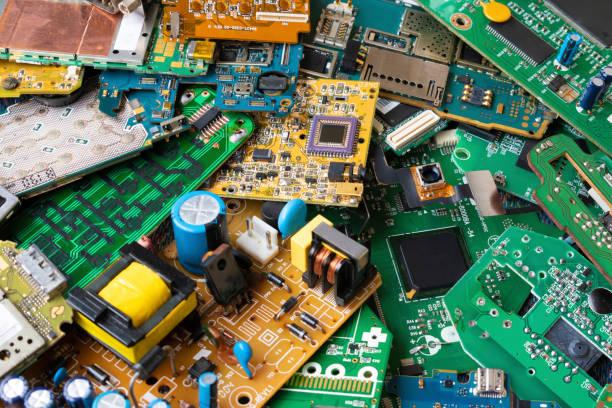
Indonesia’s e-waste management landscape is becoming more important as digital adoption, household electronics ownership, mobile device usage, and appliance replacement cycles continue to increase. Discarded phones, computers, televisions, batteries, cables, and small appliances contain recoverable materials, but they can also create environmental and health risks if handled informally. This makes structured collection, sorting, recycling, and safe disposal increasingly relevant for the country’s circular economy goals.
According to MarkNtel Advisors, the Indonesia E-Waste Management Market was valued at around USD 1.4 billion in 2025 and is projected to grow from USD 1.6 billion in 2026 to USD 2.1 billion by 2032, registering a CAGR of around 4.64% during 2026–2032. The projected to grow steadily outlook reflects rising electronic consumption, material recovery opportunities, regulatory attention, and the gradual formalization of recycling systems.
Rising Electronics Use Is Expanding the Waste Stream
Indonesia’s large population, growing middle class, and expanding digital economy are contributing to higher ownership of smartphones, laptops, home appliances, and consumer electronics. As devices become more affordable and replacement cycles shorten, the volume of obsolete electronics entering the waste stream is increasing. This creates both a waste-management challenge and an opportunity to recover metals, plastics, glass, and other reusable materials.
The World Bank’s Indonesia overview highlights the country’s scale and economic relevance in Southeast Asia. This broader development context matters because rising household income, urbanization, and connectivity often increase demand for electronics. Without stronger collection and recycling systems, a larger share of discarded equipment may continue moving through informal channels with limited environmental safeguards.
Metals Recovery Remains a Major Value Driver
Metals represented about 50% share by material type in 2026, according to the MarkNtel study. This is expected because electronic devices contain copper, aluminum, steel, gold, silver, and other valuable materials. Recovering these resources can reduce dependence on virgin extraction, support local recycling industries, and improve the economics of formal e-waste processing.
The circular economy relevance of e-waste is recognized globally. The International Telecommunication Union has emphasized that e-waste contains valuable materials but also requires proper management to reduce risks. For Indonesia, improving metals recovery can help connect waste management with resource efficiency, industrial inputs, and better environmental outcomes.
Residential E-Waste Requires Stronger Collection Models
The residential sector held about 57% share in 2025, making households a central part of Indonesia’s e-waste challenge. Many consumers store unused electronics at home, discard small devices with general waste, or sell them through informal repair and scrap networks. This makes household collection programs, retailer take-back systems, repair channels, and public awareness campaigns important for improving recovery rates.
Safe handling is especially important because electronics can contain lead, mercury, cadmium, flame retardants, and other hazardous substances. The World Health Organization notes that improper e-waste exposure can affect health, particularly for children and informal workers. Formal collection and processing can reduce unsafe dismantling and improve protection for communities involved in recycling activity.
Policy and Producer Responsibility Are Becoming More Relevant
Indonesia’s e-waste system is gradually moving toward more structured governance, but implementation remains complex due to geography, informal-sector participation, and uneven collection infrastructure. Extended producer responsibility, or EPR, can help shift part of the responsibility for end-of-life electronics toward producers, importers, retailers, and brand owners. This can support more organized take-back, recycling, and reporting systems.
International guidance is useful as countries design stronger frameworks. The OECD’s extended producer responsibility work explains how EPR policies can make producers responsible for post-consumer product management. In Indonesia, adapting such models requires coordination among government agencies, electronics brands, recyclers, municipalities, and informal waste collectors.
Formal Recycling Can Support Environmental Protection
A major challenge in e-waste management is ensuring that dismantling, material recovery, and disposal are carried out safely. Informal processing can involve open burning, acid leaching, and unsafe manual dismantling, which may contaminate air, soil, and water. Formal recyclers can improve outcomes through controlled processing, worker protection, hazardous material separation, and traceable recovery channels.
The UN Environment Programme frames circular economy practices as a way to reduce waste and keep materials in productive use for longer. For Indonesia, e-waste recycling can support this shift by recovering useful materials, reducing landfill pressure, and encouraging better product lifecycle management across the electronics ecosystem.
Outlook for Indonesia’s E-Waste Management Ecosystem
Indonesia’s e-waste management sector is expected to expand steadily as electronics consumption rises and formal recycling systems mature. Growth will likely depend on collection infrastructure, consumer awareness, producer participation, investment in certified recyclers, and stronger coordination between formal and informal waste networks.
The next phase will be shaped by how effectively Indonesia turns electronic waste into a managed resource stream. If collection, sorting, and recycling systems improve, e-waste management can contribute to circular economy development, safer waste handling, material recovery, and reduced environmental risks across the country’s growing digital economy.
Categorias
Leia Mais
Gold jewelry has remained a symbol of elegance, wealth, and personal style for centuries. Whether you're shopping for an engagement ring, a statement necklace, or a timeless bracelet, one of the most important decisions you'll face is choosing between white gold and yellow gold. The debate of white gold vs yellow gold continues to be one of the most discussed topics among jewelry enthusiasts...

Buying an engagement ring is one of the most meaningful purchases many people will ever make. At the same time, it is also one of the most expensive. Because of that, couples today are spending more time researching before making a decision. Instead of focusing only on brand names or traditional pricing rules, buyers now pay attention to diamond quality, certification, design, and long-term...

A wedding is one of the most cherished milestones in life, and every couple dreams of celebrating it flawlessly. From selecting the perfect venue to coordinating décor, catering, entertainment, and guest hospitality, every detail requires careful planning. Choosing experienced wedding planners in Noida ensures that your special day is beautifully organized without unnecessary stress....

