Difference between Automatic Driving Lessons Tameside and Manual Driving Lessons
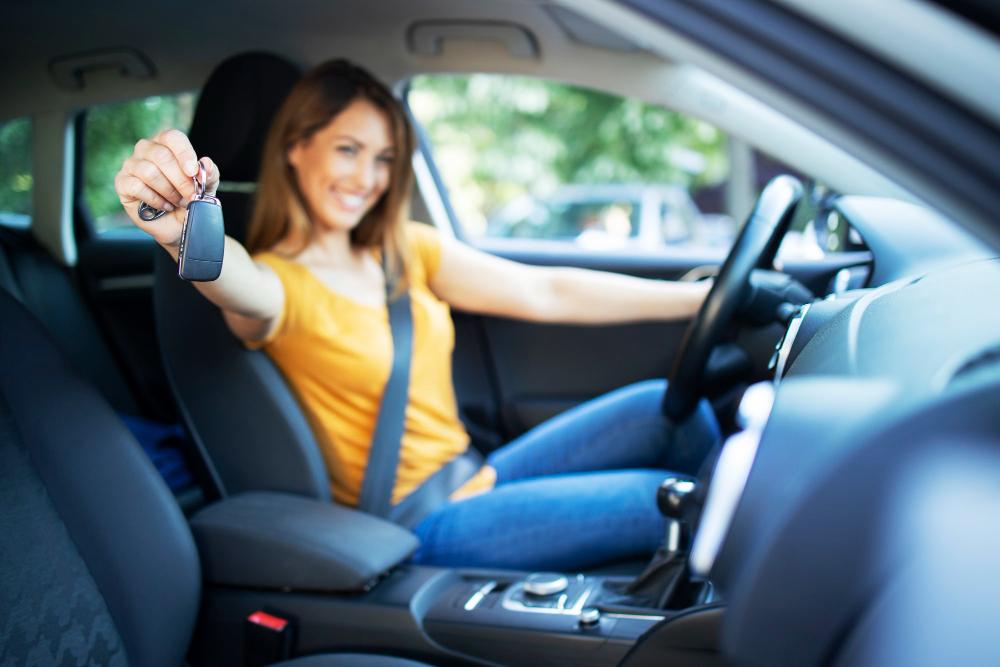
For every new driver, a big decision is whether to learn to drive a car with a clutch or to go for a two-pedal car. That decision affects how you manage the equipment and builds your confidence on the road. Knowing the basic operational distinctions helps you to choose the approach that is right for your coordination and anxiety levels. Both ways lead to independence, but they need entirely different amounts of physical input and mental commitment throughout your training path. Choosing your future mobility is about finding the right balance between these aspects.
The Mechanics of Changing Your Gears Manually
A manual car demands that you control three different pedals with two feet, which takes a lot of physical coordination to operate. Drivers need to learn to ease off the accelerator and know when to engage the clutch so that the change is seamless and the car doesn't lurch. This method requires you to be aware of the engine's sound and the car's speed so you know when to change gears.
It will take time and patience before you can master this physical synchronisation during your first practical session. The initial stages might be frustrating for many trainees, as stalling the engine is a pretty normal thing when releasing the clutch pedal too fast. But once you get this muscle memory down, you have complete control over the power of the engine, which makes it incredibly advantageous when tackling steep slopes or driving in slick situations.
Simplified Controls for a Smoother Driving Journey
Cars with an automatic transmission eliminate the clutch pedal altogether, so the driver just has to worry about steering, stopping and accelerating. The internal computer system decides the best time to change gear, avoiding the risk of stalling the engine completely at congested junctions. This allows for the driver to maintain both hands on the wheel considerably more frequently, producing a much calmer environment within the cabin.
Students who choose automatic driving lessons in Tameside tend to learn the fundamental skills much more quickly. You don't need to get bogged down learning complex gear ratios and clutch control, freeing up your brain resources for reading traffic signs, anticipating risks and navigating tricky roundabouts. This simplified technique eliminates physical stress, which typically comes with learning to navigate crowded urban locations during peak traffic hours.
Long-Term Licensing Differences and Freedom Concerns
If you do your practical test in a car with a manual transmission, you will be fully qualified to drive either type of car on the road. This flexibility offers complete independence when acquiring your first car, renting a vehicle on holiday abroad or driving a business car for work. This means you're never stuck with the gearbox type available in a particular situation.
If you qualify for a two-pedal vehicle, you are restricted to driving automatic autos on official roads. If you ever need to drive a manual automobile in the future, you will have to go through the whole testing process again. The automotive industry is moving toward automated systems due to electric vehicle designs, although classic gearboxes are still highly widespread in today’s secondary market.
Comparing Total Financial Costs and Training Efficiency
Often the initial training costs are different since individuals learning in automated cars usually need fewer professional training hours before they are ready for their practical test. This quicker improvement can lead to savings on the overall number of sessions needed to achieve test standards. The time saved in learning hours makes the automated route very attractive for people wanting their licence quickly.
However, purchasing and operating a car with an automatic gearbox may often incur higher long-term costs. When mechanical problems occur, these complicated gear systems need specialised maintenance, and insurance costs can sometimes be higher for novice drivers. Manual automobiles tend to be cheaper to buy in the first place and are frequently easier for local mechanics to fix, making them a great value for young motorists.
Conclusion
The choice of training method is totally up to you and your learning style, budget and any future transit requirements you may have. If you want total control of the car and the greatest freedom in licensing, learning the manual transmission is still a wonderful option. Choosing automated controls is a perfect solution for individuals who want to avoid the hassle of stalling and drive more easily on the roads. Experts like L Team Driving School can provide complete tuition for automatic driving lessons in Tameside. The professional body gives tuition for patients at an individual pace, encouraging worried pupils to gain confidence, fundamental abilities, and safe independence. With expert tutors to help you acquire good awareness on the road, they are a great choice for your educational experience.
FAQs
What kind of licence do I get after passing an auto?
You get a restricted licence that lets you operate only automated cars.
Can I switch from manual lessons to automatic lessons?
Yes, you can easily transition to automated training if you find the clutch too difficult.
Are automated automobiles pricier to purchase?
It's true that automated models are pricier to buy than manual models, on average.
Which is better for apprehensive learners?
Students who are nervous tend to choose automated autos because the car will not stall.
Catégories
Lire la suite
The demand for non-invasive wellness technologies has grown significantly as individuals and professionals seek modern solutions that support healthy lifestyles. Scientific advancements in light-based technology have transformed the wellness industry, making phototherapy one of the most recognized approaches for personal care, beauty, recovery, and professional applications. Sinocotherapy is...
If you are planning a beach day and asking whether doheny state beach is safe for swimming, the best answer is: generally yes, when conditions are good and you use normal ocean-safety judgment. That matters because a relaxed swim is much more enjoyable when you know what to expect before you arrive. The short answer Swimming is a normal, popular activity at doheny state beach. California State...

Double chin is a common aesthetic concern that affects facial balance and confidence. It often develops due to fat accumulation, aging, or genetic factors and can be difficult to reduce with diet and exercise alone. Many people now prefer minimally invasive cosmetic solutions for facial contouring instead of surgical procedures. Modern dermatology offers advanced technologies that help...
Introduction I've ruined enough graphic tees over the years to develop a healthy suspicion of any brand that doesn't talk about its materials. So before I bought into Satoshi Nakamoto Clothing, I dug into what's actually holding these pieces together. Shop Now https://satoshinakamotostore.com/ The Cotton Blend Behind The Tees Most of the t-shirts use a heavyweight cotton blend, usually sitting...
Medical Transportation nyc: Safe and Reliable Care with Health Express Ambulette Access to dependable healthcare transportation is essential for patients who need assistance traveling to medical appointments. Whether it's a routine checkup, dialysis treatment, physical therapy session, or hospital visit, reliable transportation ensures patients receive the care they need without unnecessary...