Understanding AC Repair in Temple, TX: What Every Homeowner Should Know
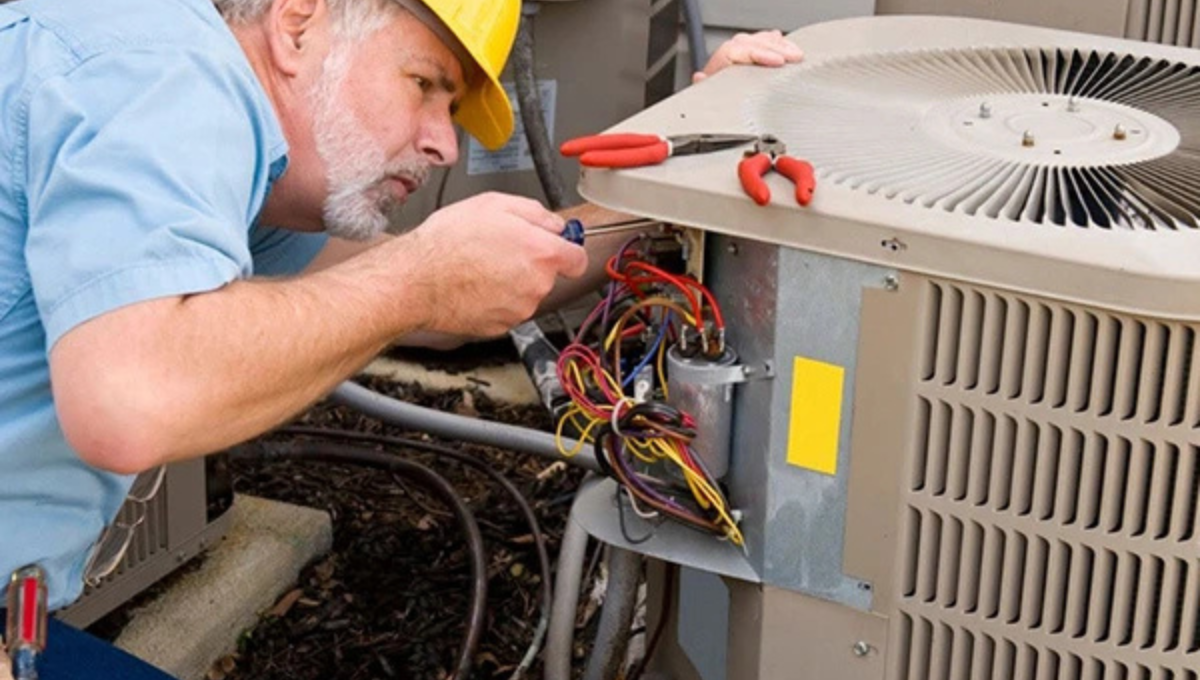
Summer in Central Texas has a way of testing air conditioners. When the thermostat outside climbs past 100 degrees, a cooling system that suddenly quits can turn a comfortable home into a sauna within hours. That is why knowing the basics of AC repair in Temple, TX has become such a practical skill for local residents.
Air conditioning is not a luxury in this part of the state. It is a necessity that families rely on from late spring well into October. Understanding how systems fail, what warning signs to watch for, and when to call a professional can save both money and discomfort.
Why Air Conditioning Systems Struggle in Central Texas
The climate around Temple puts unusual strain on cooling equipment. Long stretches of high heat mean AC units often run for most of the day. That constant workload wears down parts faster than in milder regions.
Dust and pollen in the air can also clog filters and coils. When airflow drops, the system works harder to reach the set temperature. Over time, this stress leads to breakdowns that catch homeowners off guard.
Older units face the toughest road. Many homes in the area still run systems that are a decade or more old. As these age, small issues tend to snowball into larger, costlier repairs.
Common Problems That Lead to Repairs
Most cooling failures trace back to a handful of familiar culprits. Recognizing them early can prevent a minor fix from becoming a major expense.
-
Refrigerant leaks: Low refrigerant keeps a system from cooling properly and can damage the compressor if ignored.
-
Frozen evaporator coils: Poor airflow or low refrigerant can cause ice to form, blocking the unit from working.
-
Faulty capacitors: These small parts help start the motor. When they fail, the system may hum but never turn on.
-
Clogged drain lines: Blocked condensate lines can trigger shutoffs or cause water damage indoors.
-
Worn fan motors: A failing motor reduces airflow and often produces unusual noises before it stops entirely.
Each of these problems shows up differently. Weak airflow, warm air from the vents, strange sounds, or a sudden spike in the electric bill can all point to trouble.
The Value of Timely Repairs
Delaying service rarely helps. A small refrigerant leak, for example, may seem harmless at first. Left alone, it can burn out the compressor, which is one of the most expensive components to replace.
Quick attention also keeps energy costs in check. A struggling system draws more power to do the same job. Fixing the root cause often lowers monthly bills noticeably.
Comfort matters too. During peak summer weeks, repair companies stay busy, and wait times grow. Homeowners who act at the first sign of trouble tend to avoid the longest delays.
How Maintenance Reduces the Need for Repairs
Prevention plays a large role in keeping systems reliable. Routine AC maintenance in Temple, TX helps catch small issues before they turn into emergencies. A technician can spot a weak capacitor or a dirty coil during a seasonal check-up.
Regular upkeep usually includes cleaning coils, checking refrigerant levels, testing electrical connections, and replacing filters. These simple steps extend the life of the equipment and keep it running efficiently.
Many local providers, including companies such as Air Master Heating and Air LLC, encourage seasonal inspections before the hottest months arrive. Scheduling ahead of peak demand tends to be easier and less stressful for everyone involved.
Real-World Scenarios Homeowners Face
Consider a family that notices their home feels warmer than usual in early July. They assume the thermostat is off, but the real problem is a clogged filter choking airflow. A quick service call restores comfort and reveals how a small habit—changing filters monthly—could have prevented the issue.
In another common case, a homeowner hears a loud rattle from the outdoor unit. Ignoring it for weeks leads to a burned-out fan motor and a much larger bill. Had they called sooner, the fix would have been simpler.
These situations play out across Temple, TX every summer. They highlight a clear pattern: minor attention today prevents bigger headaches tomorrow.
Choosing the Right Approach
When cooling trouble strikes, homeowners generally weigh two paths. Some try basic troubleshooting, such as resetting the breaker or clearing debris around the unit. Others recognize the signs of a deeper issue and reach out to a licensed technician.
Simple checks are fine for minor concerns. Anything involving refrigerant, electrical components, or the compressor calls for trained hands. Local codes and safety standards make professional service the smarter choice for complex repairs.
The goal is steady, reliable comfort. Combining prompt repairs with consistent AC maintenance in Temple, TX gives most systems the best chance of lasting through many hot seasons.
Key Takeaways
Air conditioners in Central Texas work hard, and they need care to keep up. Watching for early warning signs, addressing problems quickly, and scheduling routine check-ups all reduce the risk of a mid-summer breakdown. Homeowners who stay ahead of these needs enjoy cooler homes, lower bills, and fewer surprises. When a repair is beyond simple troubleshooting, calling a qualified professional remains the safest path forward.
Frequently Asked Questions
How often should an AC unit be serviced in Central Texas?
Most systems benefit from a professional check-up once a year, ideally in spring. Given the long, hot summers, some homeowners schedule two visits to stay ahead of heavy use.
What are the first signs an air conditioner needs repair?
Warm air from the vents, weak airflow, odd noises, or a sudden jump in the electric bill are common early signs. Catching these quickly often prevents larger problems.
Is it worth repairing an older AC unit or replacing it?
It depends on the age and repair cost. If a unit is over ten years old and needs frequent, costly fixes, replacement may be more economical over time.
Why does my AC freeze up during hot weather?
Frozen coils usually result from restricted airflow or low refrigerant. A dirty filter is a frequent cause, so checking and replacing it is a good first step.
How long does a typical AC repair take?
Simple fixes, like replacing a capacitor or clearing a drain line, often take an hour or less. More involved repairs, such as compressor work, can take longer.
Categories
Read More
Streetwear feels different now compared to a few years back. It used to be pretty simple. Throw on a graphic tee, grab your favourite sneakers, maybe add a cap, and you were good to go. Now it has become way more personal than that. People are mixing different styles together, experimenting with fits, and building wardrobes that actually feel like an extension of who they are. You see it all...

ORDER NOW : http://healthyifyshop.com/GetYendoCreditCard Yendo Credit Card introduces a unique approach to credit access by allowing consumers to use their vehicle equity instead of a cash deposit. For people struggling to qualify for traditional credit cards, Yendo may offer a practical alternative with higher credit limits, cashback rewards, and credit-building...