What Homeowners Should Know About EV Charger Installation in Beacon, NY
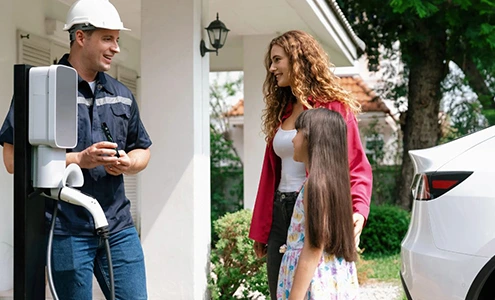
Electric vehicles are showing up in more driveways across the Hudson Valley every year. With that shift comes a practical question many drivers face after buying their first EV: how do you charge it at home efficiently? For local residents, EV charger installation in Beacon, NY has become one of the more common home electrical projects, and understanding how it works can save time, money, and frustration.
Charging an electric car isn't as simple as plugging into any nearby outlet. The type of charger, the condition of your home's wiring, and your daily driving habits all play a role. Getting the setup right the first time matters more than most people expect.
Why Home Charging Matters More Than Public Stations
Public charging stations are useful, but they aren't always convenient. Waiting in line or driving out of your way adds up over time. A home charger changes that routine completely.
Most EV owners do the majority of their charging overnight. Plugging in when you get home means waking up to a full battery, similar to how you charge a phone. For daily commuters in the region, this convenience is often the main reason they invest in a dedicated setup.
There's also a cost angle. Charging at home during off-peak hours is usually cheaper than relying on public stations. Over months and years, those savings become noticeable.
Level 1 vs. Level 2 Chargers
Understanding charger types helps you make a smart choice. There are two main options for home use.
-
Level 1 chargers use a standard 120-volt outlet. They're slow, adding only a few miles of range per hour. This works for light drivers but frustrates anyone with a longer commute.
-
Level 2 chargers run on a 240-volt circuit, similar to what a clothes dryer uses. They charge several times faster and are the popular choice for most households.
Level 2 units require a dedicated circuit, which is where professional electrical work comes in. The panel must have enough capacity, and the wiring has to handle the added load safely.
The Role of Your Home's Electrical System
Many older homes across Beacon, NY were built long before EVs existed. Their electrical panels weren't designed to support a high-draw charging station.
Before installing a charger, an electrician typically checks the panel's capacity. If the system is outdated or already near its limit, an upgrade may be needed. Skipping this step can lead to tripped breakers or, worse, safety hazards.
This is also why wiring condition matters so much. Homes with aging or damaged wiring sometimes need repairs before any new circuit is added. In fact, demand for Wiring Repair Services in Middletown, NY and surrounding towns often rises alongside EV adoption, since both projects touch the same core electrical infrastructure.
Real-World Situations Homeowners Face
Consider a family in Beacon, NY that just bought an EV for weekday commuting. They started with a standard outlet but quickly found it too slow. After a panel check, they upgraded to a Level 2 charger and cut their charging time dramatically.
Another common scenario involves older properties. A homeowner might want a charger installed, only to learn during the inspection that the existing wiring is worn or improperly grounded. Addressing those issues first protects both the vehicle and the home.
These examples show why a proper assessment matters. Every home is different, and the right approach depends on the property's age, panel size, and daily driving needs.
Choosing the Right Electrician for the Job
Installing an EV charger is regulated work in most areas, and permits are often required. A licensed electrician ensures the job meets local code and passes inspection.
Experience with EV setups specifically is a plus. Local companies familiar with Hudson Valley homes, such as Lightsmith Electric, tend to understand the common quirks of area properties, from older panels to varied wiring standards.
When comparing options, it helps to ask about experience, licensing, and whether the quote includes any panel upgrades. A transparent estimate up front prevents surprises later.
Key Takeaways
-
Home charging is more convenient and often cheaper than public stations.
-
Level 2 chargers are the popular choice but require a dedicated 240-volt circuit.
-
Older homes may need panel upgrades or wiring repairs before installation.
-
Always use a licensed electrician and confirm permit requirements.
Charging your EV at home should feel effortless once it's set up correctly. Start by having your electrical panel evaluated, then decide which charger fits your driving habits. That simple assessment sets the foundation for a reliable, safe charging experience for years to come.
Frequently Asked Questions
How long does it take to install a home EV charger?
Most Level 2 installations take a few hours if the panel has enough capacity. Jobs that require panel upgrades or wiring repairs may take longer.
Do I need a permit to install an EV charger at home?
In most areas, yes. Local codes typically require a permit and inspection for new 240-volt circuits, which a licensed electrician usually handles.
Can my current electrical panel handle an EV charger?
It depends on the panel's age and available capacity. Older homes sometimes need an upgrade before a charger can be safely added.
How much does home EV charging cost compared to public stations?
Charging at home, especially during off-peak hours, is usually cheaper than public stations. Exact savings depend on your local electricity rates and driving habits.
What's the difference between Level 1 and Level 2 charging?
Level 1 uses a standard outlet and charges slowly. Level 2 runs on a 240-volt circuit and charges several times faster, making it the preferred option for daily drivers.
Categories
Read More
Preparing for the CompTIA SY0-701 certification exam requires the right strategy, quality resources, and consistent practice. The latest Security+ certification validates essential cybersecurity skills and helps IT professionals build successful careers in information security. By using reliable CompTIA SY0-701 Exam practice questions and study materials, candidates can improve their...

Global AIOps Platform Market Size Projected to Surpass USD 41 Billion by 2030, Accelerating at a Staggering 30.3% CAGR Amid Enterprise Infrastructure Expansion The global landscape of enterprise IT infrastructure is currently navigating an unprecedented scaling crisis. As businesses aggressively transition to microservices, multi-cloud deployments, and highly complex hybrid ecosystems, the...

A growing number of women are seeking non-surgical solutions to improve intimate wellness, confidence, and post-pregnancy changes, making aesthetic gynecology one of the most rapidly advancing fields in the UAE. Among the most requested procedures, Laser Vaginal Tightening in Dubai has gained significant attention due to its minimally invasive approach, short recovery time, and focus on...