


Why Custom Fixtures Are Reshaping Modern Infrastructure Projects
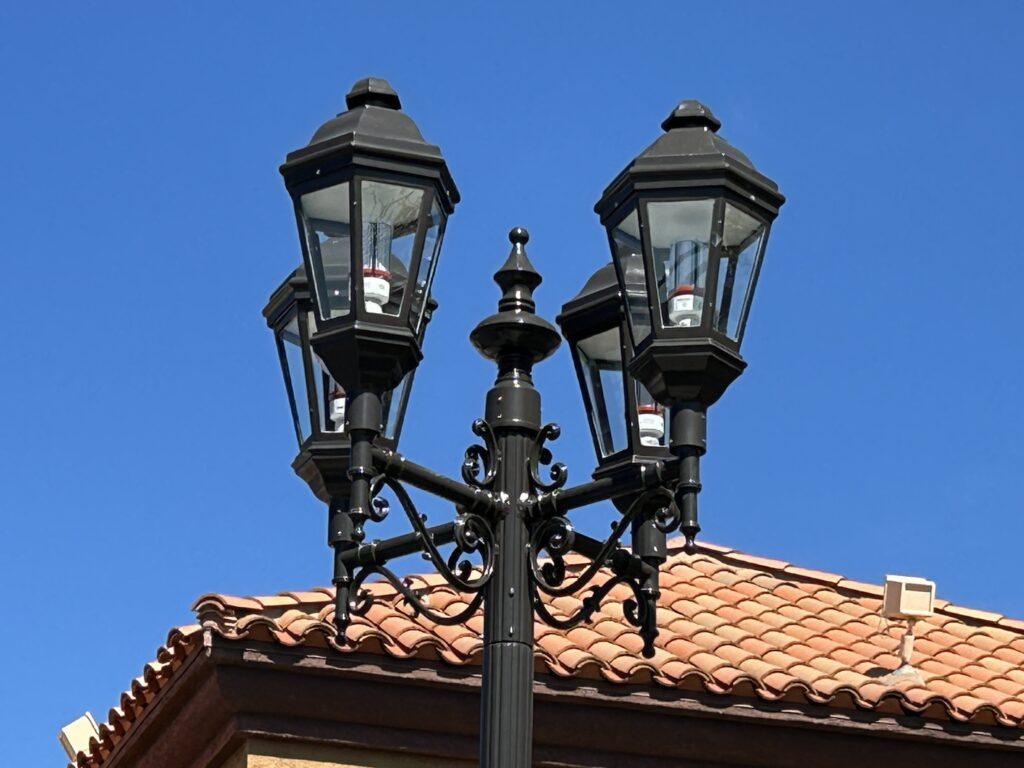
Walk through any newly developed shopping center, stadium, or municipal park across the country, and you'll notice something. The lighting, signage supports, and structural elements rarely look like they came straight off a shelf. More often, they were built to fit a specific need. This shift toward custom fixtures has quietly changed how architects, engineers, and contractors approach large-scale projects in the United States.
The reason is simple. Standard, mass-produced parts don't always match the demands of a unique site. A coastal boardwalk faces different pressures than a downtown plaza. That gap between generic products and real-world requirements is exactly where tailored solutions step in.
What "Custom" Really Means in This Space
Custom fixtures are components designed and manufactured for a particular application rather than pulled from a general catalog. Think of light poles engineered for high-wind zones, brackets shaped to hold specialized equipment, or mounting systems built around an unusual structural layout.
The process usually starts with a problem that off-the-shelf parts can't solve. Maybe the load requirements are unusual. Maybe local codes call for specific materials. Maybe the design vision simply doesn't fit standard dimensions.
From there, engineers and fabricators work backward from the end goal. They consider environmental conditions, safety regulations, and long-term durability before a single piece is produced.
Why Demand Keeps Growing
Several trends are pushing this movement forward. Cities across the United States are investing in infrastructure upgrades, and many of those projects involve older sites with quirks that generic products can't accommodate.
There's also a stronger focus on longevity. Fixtures built for a specific climate or load tend to last longer and need fewer repairs. That saves money over time, which appeals to both public agencies and private developers.
Aesthetics play a role too. Property owners increasingly want their spaces to feel distinct. Custom builds allow designers to match fixtures to a broader architectural theme instead of settling for whatever fits closest.
The Practical Benefits
The advantages go beyond appearance. When a fixture is engineered for its exact environment, it performs better under stress. Wind, corrosion, temperature swings, and heavy use all take a toll, and purpose-built components handle those pressures more reliably.
Compliance is another factor. Building codes vary widely between states and municipalities in the United States. Tailored components can be designed to meet local standards from the start, reducing delays during inspection.
Maintenance also becomes easier. When parts are built with a site's realities in mind, replacement and upkeep tend to be more predictable. That reliability matters for facilities managers juggling tight budgets.
Real-World Situations Where It Matters
Consider a university expanding its athletic complex. The existing poles may not support new floodlights or camera systems. Rather than redesigning the entire layout, a custom solution can adapt to what's already there.
Or picture a waterfront development where salt air corrodes ordinary metal within a few seasons. Here, custom builds using treated materials extend the lifespan of every installed piece.
Retail centers offer another example. A developer might want uniform lighting that complements the building's design while still meeting parking-lot safety codes. Standard fixtures rarely check both boxes at once.
Companies that specialize in this work, such as Light Pole Systems, Inc, often collaborate closely with project teams to translate technical requirements into finished components. That partnership approach has become common across the United States as projects grow more complex.
Looking Ahead
As construction standards tighten and design expectations rise, the appeal of tailored components will likely keep climbing. Sustainability goals, smart-city technology, and stricter safety rules all point toward more specialized manufacturing.
For anyone planning a project in the United States, understanding when custom fixtures make sense can prevent costly mistakes down the road. The right fit at the start often saves headaches for years to come.
Frequently Asked Questions
What are custom fixtures used for?
They're used when standard products don't meet a project's specific needs. Common applications include specialized lighting, structural supports, and mounting systems designed for unique sites or conditions.
Are custom fixtures more expensive than standard ones?
The upfront cost can be higher, but they often save money over time. Better durability and fewer repairs usually offset the initial investment.
How long do custom builds typically take to produce?
Timelines vary based on design complexity and materials. Simple projects may take a few weeks, while intricate builds can require several months from planning to delivery.
Do custom fixtures help with building code compliance?
Yes. Because they're designed for a specific location, they can be engineered to meet local codes from the start, which often reduces inspection delays.
When should someone choose custom over off-the-shelf products?
Custom options make the most sense when a site has unusual requirements, strict regulations, or specific design goals that standard products can't satisfy.
Kategoriler
Read More
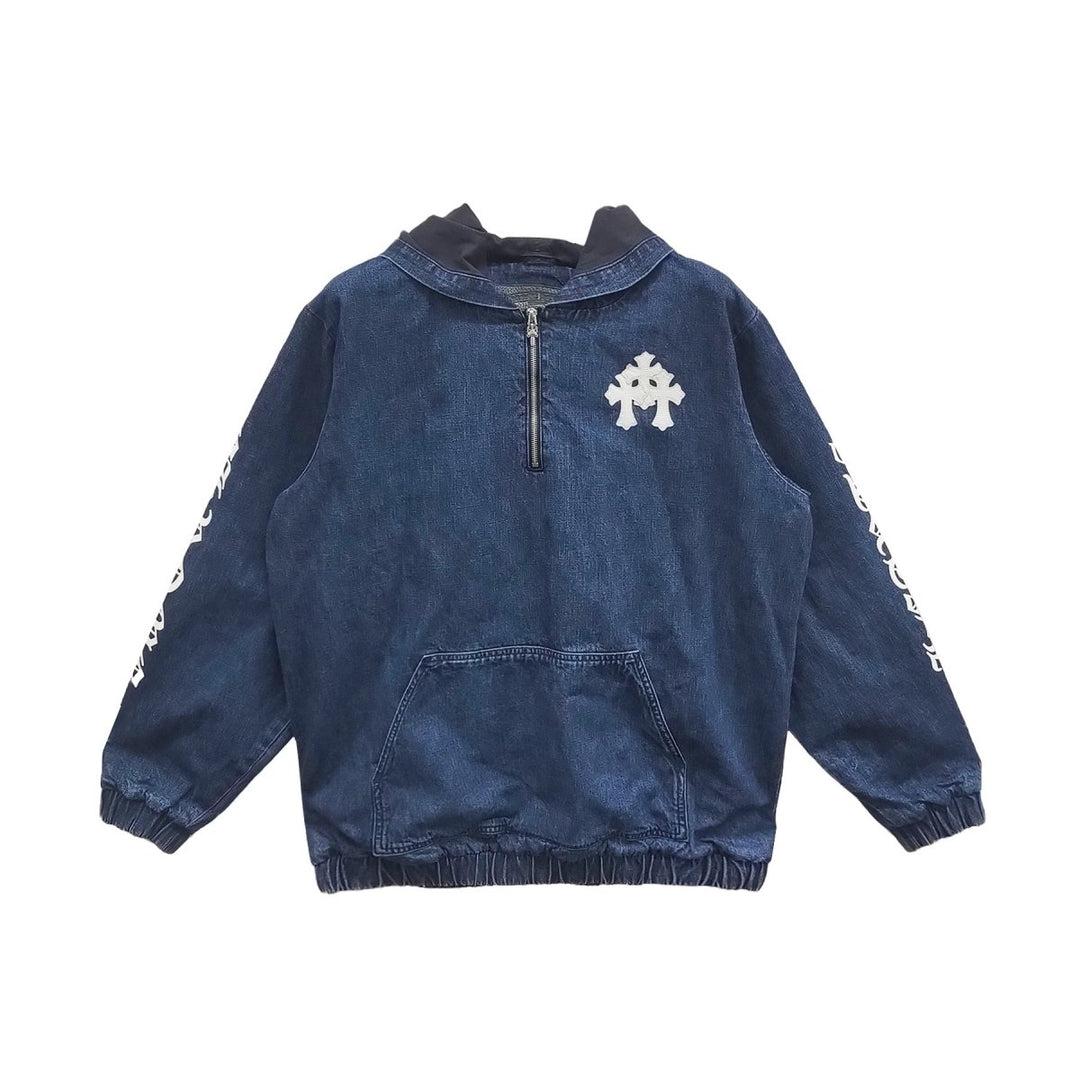
Chrome Hearts has long been recognized as one of the most influential names in luxury streetwear. Known for its premium craftsmanship, distinctive gothic-inspired designs, and exclusive appeal, the brand has built a loyal following among celebrities, fashion enthusiasts, and collectors worldwide. In recent years, interest in Chrome Hearts for Kids has grown significantly as parents seek...
Quick answer: To hire a domestic worker under personal sponsorship in the UAE, you need to apply for a family residence visa UAE, meet eligibility requirements, submit the right documents, and complete a medical fitness test. Most families work with a corporate pro services company in Dubai to simplify the process. Thinking about bringing a nanny, housekeeper, or personal driver to work in your...

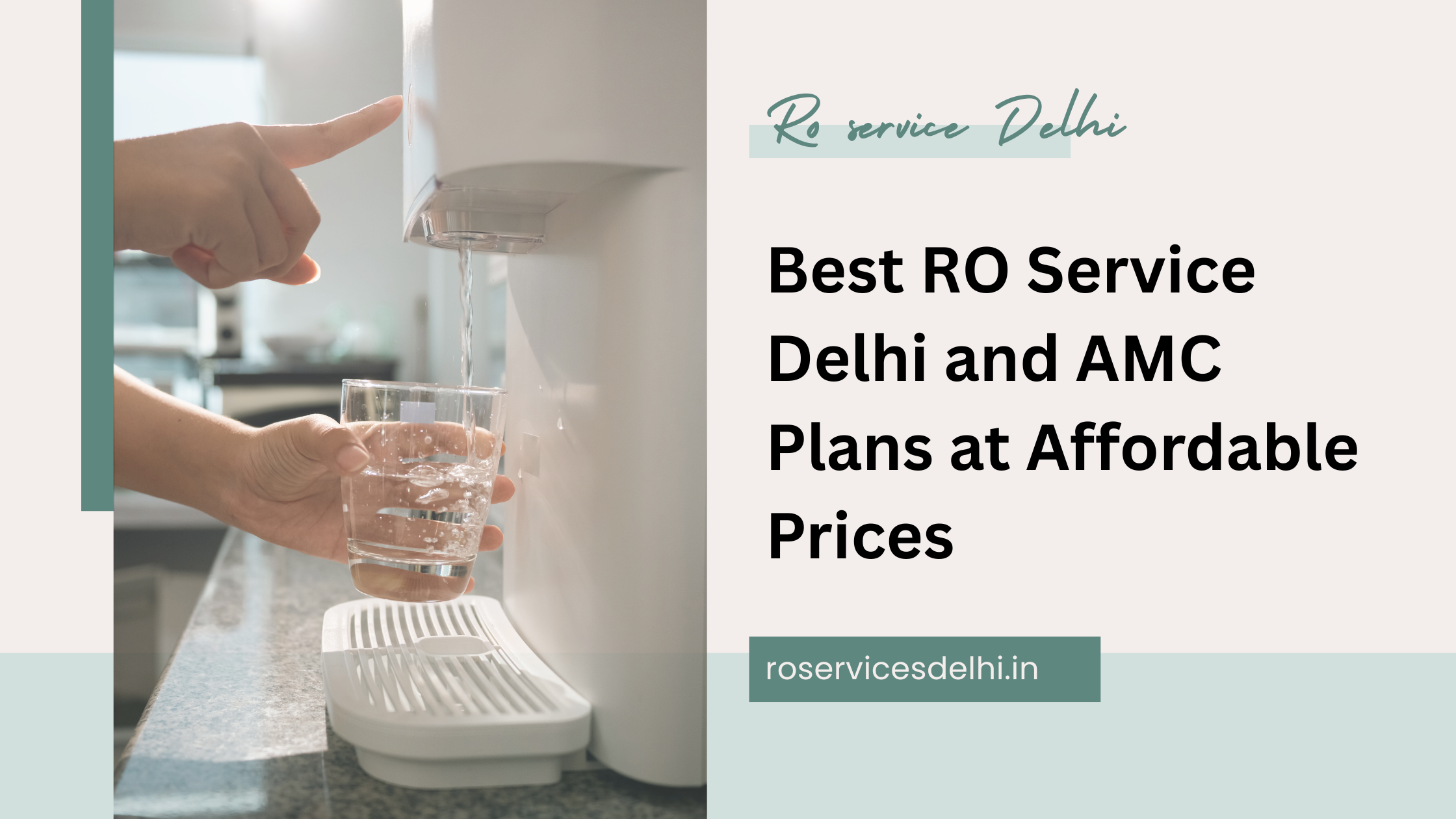
Clean and safe drinking water is a basic necessity for every household and business in Delhi. With rising pollution levels, hard water, and increasing contamination in the city’s water supply, RO water purifiers have become essential. However, simply installing an RO system is not enough—regular servicing and timely repairs are equally important to ensure pure, healthy water every...
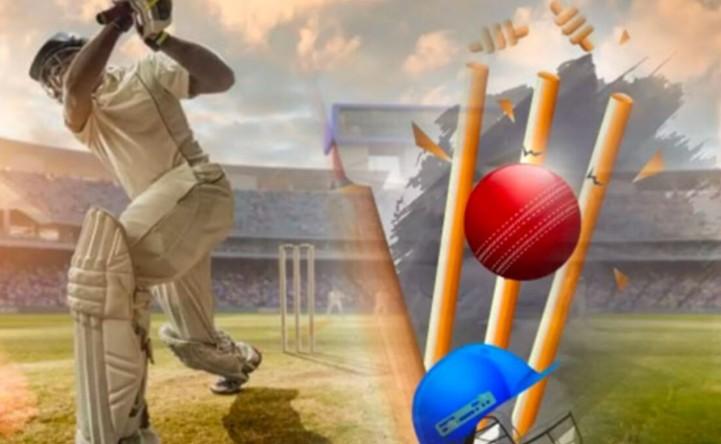
The demand for an Online Cricket ID has grown significantly as more cricket enthusiasts choose digital platforms to stay connected with their favorite sport. Whether you're new to online cricket platforms or looking for a hassle-free registration process, having a verified account helps you access platform features more efficiently. Ikkabook offers a simple registration process designed for...
Frozen Fruit Processing: Preserving Freshness for a Global Market Frozen fruit processing is a vital segment of the modern food industry, enabling fruits to retain their nutritional value, flavor, and texture for extended periods. Through advanced freezing technologies, perishable fruits are rapidly preserved at peak ripeness, making them available year-round regardless of seasonal...

