How Does a Lab Test at Home Work?
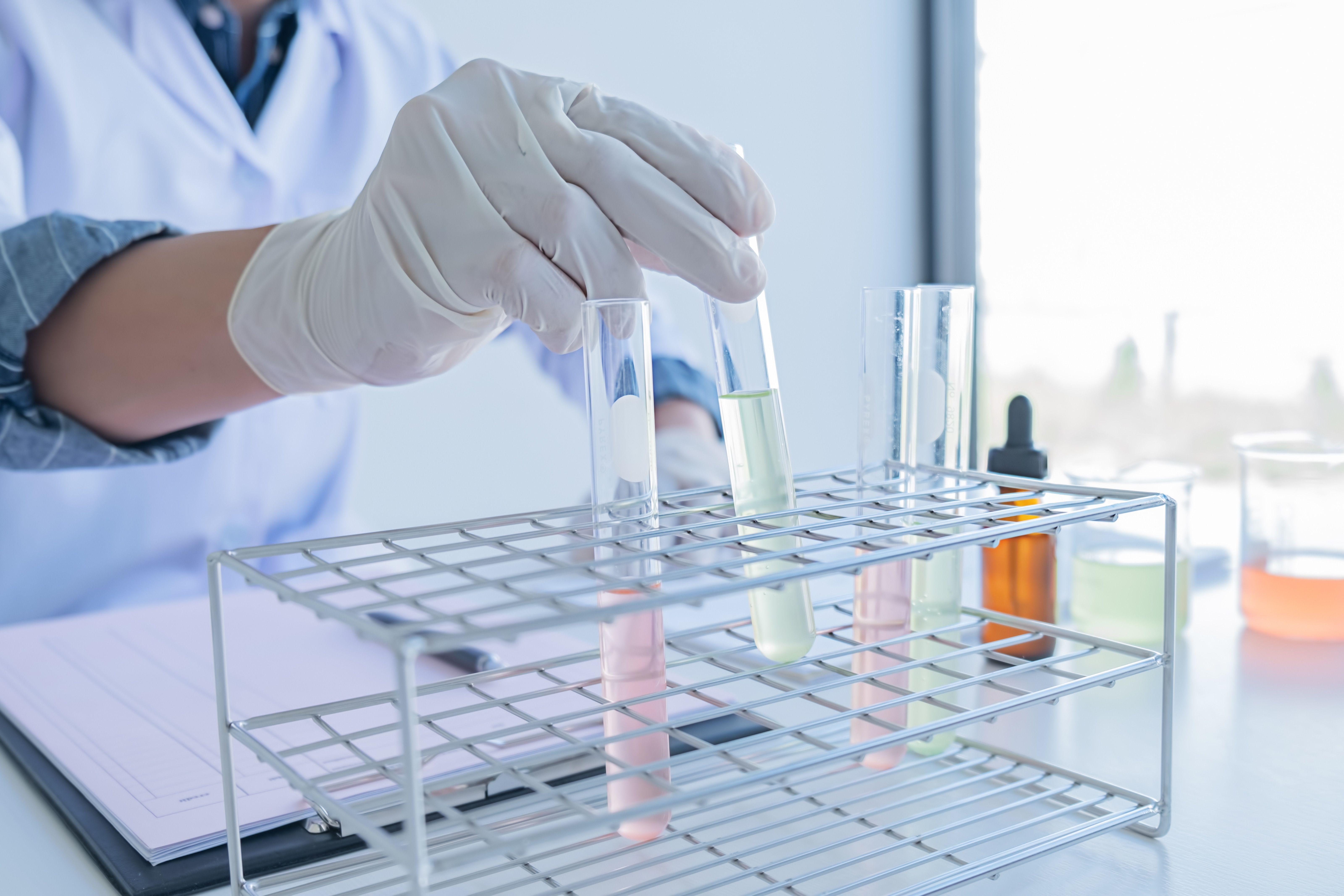
Medical testing no longer requires a visit to a crowded diagnostic center. Thanks to advancements in healthcare services, a Lab Test at Home in Dubai allows patients to complete essential diagnostic tests without leaving their homes. Whether you need routine blood work, preventive health screening, or ongoing monitoring for a chronic condition, home sample collection offers a practical and efficient alternative to traditional laboratory visits.
Many people understand the convenience of this service but are unsure about how the process actually works. Questions about sample collection, accuracy, preparation, report delivery, and safety are common. Understanding each stage of the process can help you feel more confident when booking a home laboratory test.
Choosing the Right Diagnostic Test:
The journey begins with selecting the appropriate laboratory test. Some individuals book tests as part of their annual health checkup, while others require investigations recommended by a physician.
Common diagnostic services available through home sample collection include:
-
Complete Blood Count (CBC)
-
Blood Sugar Test
-
HbA1c
-
Lipid Profile
-
Liver Function Test
-
Kidney Function Test
-
Thyroid Function Test
-
Vitamin D Test
-
Vitamin B12 Test
-
Urine Analysis
-
Hormone Tests
-
Infection Screening
Choosing the correct pathology test ensures that the collected sample provides meaningful information about your health.
Booking Your Appointment:
Once you know which tests are required, the next step is scheduling your home visit.
During the booking process, you are usually asked to provide basic information such as your name, age, contact details, preferred appointment time, and the requested laboratory investigations.
If certain tests require fasting or special preparation, these instructions are communicated before the appointment so you can prepare properly.
Flexible scheduling allows patients to choose a time that fits comfortably into their daily routine.
Preparing Before Sample Collection:
Preparation is one of the most important parts of obtaining reliable laboratory results.
Different diagnostic tests have different requirements. Some blood tests require fasting for several hours, while others may require avoiding alcohol, vigorous exercise, or specific medications before sample collection.
General preparation tips include:
Follow Fasting Instructions:
If your physician or laboratory recommends fasting, avoid eating or drinking anything except water for the specified duration.
Stay Hydrated:
Drinking adequate water can make blood collection easier and improve patient comfort.
Inform the Healthcare Professional:
Always mention prescription medicines, dietary supplements, allergies, or existing medical conditions before sample collection begins.
Wear Comfortable Clothing:
Loose sleeves make venipuncture easier and reduce discomfort during blood collection.
Proper preparation helps ensure accurate diagnostic testing and minimizes the need for repeat samples.
Arrival of the Healthcare Professional:
At the scheduled time, a trained phlebotomist or healthcare professional visits your home carrying sterile collection equipment and appropriate safety supplies.
Before beginning the procedure, they verify your identity and confirm the requested pathology tests.
Professional sample collection follows established clinical protocols designed to maintain hygiene, patient safety, and specimen quality.
This stage usually takes only a few minutes.
Sample Collection Process:
The exact procedure depends on the type of diagnostic investigation being performed.
For blood tests, the healthcare professional selects a suitable vein, disinfects the area, and collects the required blood sample using sterile, single-use needles and collection tubes.
For urine analysis or other laboratory investigations, appropriate collection containers and instructions are provided.
Throughout the process, trained professionals follow infection prevention practices and proper specimen labeling to avoid identification errors.
Most patients experience minimal discomfort during blood collection.
Safe Transportation to the Laboratory:
Once sample collection is complete, the specimen must reach the laboratory in optimal condition.
Proper transportation is essential because factors such as temperature, handling, and transit time can affect laboratory results.
Samples are packaged according to medical transport guidelines and delivered promptly to the diagnostic laboratory.
Maintaining specimen integrity during transportation ensures accurate analysis.
Laboratory Analysis:
After arriving at the laboratory, each sample undergoes registration, verification, and quality checks before testing begins.
Modern pathology laboratories use advanced diagnostic equipment, automated analyzers, and standardized testing procedures to examine blood, urine, or other collected specimens.
Experienced laboratory professionals monitor every stage of the testing process while following strict quality control measures.
These protocols help produce reliable diagnostic results that physicians can confidently use for medical decision-making.
Quality Assurance Before Reports Are Released:
Laboratory testing involves more than simply running samples through machines.
Many laboratories perform additional quality assurance procedures before releasing reports. These may include automated verification, internal quality checks, and review by qualified laboratory specialists when necessary.
This extra layer of validation helps ensure consistency and accuracy across different diagnostic tests.
Reliable pathology reporting depends on both advanced technology and skilled laboratory personnel.
Receiving Your Diagnostic Report:
Once testing is complete, the laboratory prepares a detailed report containing the measured values and reference ranges for each requested investigation.
Today, many diagnostic services provide secure digital reports that can be accessed online.
Electronic reports offer several advantages:
-
Easy downloading
-
Secure storage
-
Quick sharing with physicians
-
Convenient long-term record keeping
-
Faster access to health information
Patients should always discuss abnormal findings with their healthcare provider rather than attempting to interpret complex laboratory values independently.
Why Home Sample Collection Is Reliable?
Many first-time users wonder whether a lab test at home delivers the same accuracy as visiting a diagnostic center.
The answer largely depends on laboratory quality rather than collection location.
Professional phlebotomists follow standardized collection techniques, while certified laboratories use validated equipment, calibrated instruments, and strict quality control systems.
When these standards are maintained, home-collected samples provide dependable diagnostic information comparable to samples collected in clinical settings.
Advantages Beyond Convenience:
Although convenience remains the primary attraction, home laboratory testing offers several additional benefits.
Patients save travel time, avoid waiting rooms, and experience greater comfort during sample collection.
Families caring for elderly relatives appreciate the reduced transportation burden, while individuals with mobility limitations gain improved access to healthcare services.
Busy professionals also benefit by scheduling appointments around work commitments instead of disrupting their daily routine.
Regular health monitoring becomes easier, encouraging better adherence to preventive healthcare recommendations.
Common Mistakes to Avoid:
Even small mistakes can affect diagnostic accuracy.
Avoid these common errors before your appointment:
Ignoring Preparation Guidelines:
Failure to follow fasting or dietary instructions may influence blood glucose, cholesterol, and other laboratory values.
Skipping Medication Information:
Certain medications can affect hormone levels, blood clotting, liver enzymes, and other test results.
Delaying Sample Collection:
Postponing physician-recommended laboratory investigations may delay diagnosis or treatment.
Attempting Self-Interpretation:
Laboratory reports should always be reviewed alongside your medical history and symptoms by a qualified healthcare provider.
Following professional advice ensures appropriate clinical decisions.
Frequently Asked Questions:
How long does a home sample collection appointment take?
Most appointments are completed within fifteen to thirty minutes depending on the number and type of diagnostic tests.
Are sterile instruments used?
Yes. Healthcare professionals use single-use sterile collection equipment and follow infection control guidelines throughout the procedure.
Can elderly patients use home laboratory services?
Yes. Home sample collection is particularly helpful for older adults, individuals with limited mobility, and patients recovering from illness.
Are reports available online?
Many laboratories provide digital reports that can be accessed securely and shared with healthcare providers when needed.
Can routine preventive health screening be performed at home?
Yes. Many annual wellness panels and preventive laboratory investigations are available through home sample collection.
Final Thoughts:
Understanding how a Lab tests at home works helps eliminate uncertainty and encourages more people to take advantage of convenient diagnostic services. From booking an appointment and preparing correctly to professional sample collection, laboratory analysis, and digital report delivery, every stage is designed to provide a safe, efficient, and reliable healthcare experience.
Whether you require routine blood testing, chronic disease monitoring, or preventive health screening, home diagnostic services simplify the entire process without compromising quality. By following preparation instructions and choosing a trusted laboratory provider, you can receive accurate results while enjoying the comfort and convenience of testing from home.
Categorias
Leia mais
Living in Japan as an expat offers a wonderful combination of spotless streets and amazing job options. But in my new suburban community, keeping up my conventional culinary practices soon became an enormous daily battle. For months, I searched local stores for meat that actually met my dietary requirements. The majority of businesses only sold mixed-meat packages with small, difficult-to-read...

For many UK founders and business owners, international expansion begins with opportunity — entering a new market, opening an overseas branch, securing foreign investment, or building partnerships abroad. But somewhere between planning and execution, one important detail often gets underestimated. Documentation. Today, global business expansion is no longer just about market demand or...