


5 Reasons Your UAE Visa Application Gets Delayed
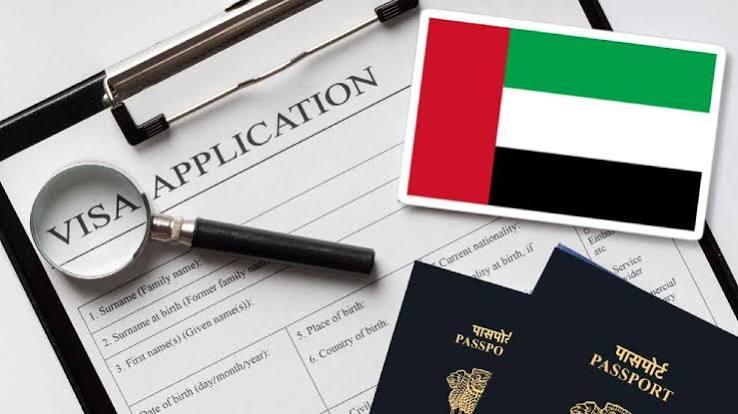
If you've ever applied for a visa and found yourself anxiously refreshing your email for weeks, you're definitely not alone! Visa delays are one of the most stressful parts of relocating or traveling, especially when you have flights to book, jobs lined up, or families waiting. The good news? Most delays are completely avoidable once you know what causes them.
This post breaks down the five most common reasons visa applications get held up, plus practical tips to help you move things along faster. So grab a coffee, and let's get into it!
5 Common Reasons Your Mainland Visa Dubai Application Is Delayed
Whether you're applying for a work permit, residency, or a mainland visa Dubai, the process can feel like navigating a maze. Here's what typically slows things down:
1. Incomplete or Incorrect Documentation
This is the number one culprit—hands down. Missing a single document, submitting an expired passport copy, or forgetting to notarize a form can freeze your entire application in its tracks.
Common documentation mistakes include:
- Submitting low-resolution scans of your passport or photos
- Forgetting to include proof of accommodation or a sponsor letter
- Using outdated application forms (yes, these change!)
- Failing to translate documents into Arabic when required
Helpful tip: Create a checklist before you submit. Go through the official immigration authority's requirements line by line. Double-check expiry dates on every single document!
2. Errors in the Application Form
Small typos might seem harmless, but immigration officers take data accuracy very seriously. A misspelled name, a wrong date of birth, or a mismatched passport number can trigger a manual review—or worse, an outright rejection.
Filling out a visa application form in a rush is never a good idea. Take your time. Read each field carefully, and if something isn't clear, contact the relevant immigration office or a licensed immigration consultant before submitting.
3. Background Check and Security Clearance Delays
Certain applicants—particularly those applying for long-term residency or employment visas—are subject to background checks. These checks can take additional time depending on your nationality, employment history, or previous travel records.
If you've lived in multiple countries, worked for government agencies, or have any prior visa refusals, expect this step to take longer. Unfortunately, this part of the process isn't entirely in your hands. The best thing you can do is submit everything honestly and completely upfront.
Helpful tip: Declare all previous visa refusals or overstays truthfully. Trying to hide them almost always makes things worse.
4. High Volume of Applications
Immigration departments process thousands of applications every day. During peak seasons—like the months leading up to Expo events, major holidays, or post-pandemic immigration surges—processing times can stretch significantly.
This is especially common for employment and residency visas, where volume spikes can double the usual waiting period. Planning ahead and applying well in advance of your intended start date is the smartest move you can make.
5. Sponsor or Employer-Related Issues
For employment-based visas, your application is often tied to your sponsor or employer's standing with immigration authorities. If your sponsor's trade license has expired, if their company quota for visas is full, or if there are any outstanding fines associated with their account, your application could be put on hold—even if everything on your end is perfect.
Before you start the process, confirm that your employer or sponsor is in good standing with the relevant immigration and labor departments.
Why Your Golden Visa UAE Application Might Be Taking Longer Than Expected
The Golden Visa UAE is a long-term residency visa that allows eligible individuals, including investors, entrepreneurs, skilled professionals, and students, to live and work in the UAE for 5 to 10 years. It's a fantastic opportunity, but because the eligibility criteria are more detailed, the application process can take longer.
Here's what causes delays specifically for Golden Visa applicants:
Proof of eligibility documentation: You'll need to demonstrate your qualifications, investment amounts, or professional achievements clearly. Vague or unsupported claims will slow down your application significantly.
Third-party verification: Some Golden Visa categories require verification from external bodies, such as an accredited university, a licensed financial institution, or a government authority. Getting these verifications can add days or weeks to your timeline.
Property ownership verification: Investors applying based on real estate holdings must provide clear title deeds and proof of minimum investment value. Any discrepancies between your documents and the Land Department's records will cause a delay.
Helpful tip: Work with a registered immigration consultant who specializes in UAE residency visas. They'll help you compile the right documents from the start, which can shave weeks off your processing time.
How Long Does a UAE Visa Typically Take to Process?
Processing times vary depending on the visa type:
- Tourist/visit visas: 3–5 business days
- Employment/residence visas: 2–4 weeks
- Golden Visa UAE: 4–8 weeks (or longer with additional verification)
These are standard timelines under normal conditions. Delays caused by any of the five reasons above can extend these significantly.
Your Final Words on Staying Ahead of Visa Delays
Visa delays are frustrating, but they're rarely random. Most of the time, there's a specific, fixable reason behind the hold-up. By submitting accurate documents, working with a verified sponsor, applying early, and staying informed about your specific visa category, you put yourself in the best possible position for a smooth process.
And if you're still unsure about where you stand? Don't hesitate to reach out to an accredited immigration consultant. A short consultation could save you months of waiting!
Frequently Asked Questions
What is the most common reason for a visa delay in Dubai?
Incomplete or incorrect documentation is the most frequent cause of delays. Missing paperwork, expired documents, or translation errors can all trigger a manual review or request for resubmission.
How can I check the status of my UAE visa application?
You can track your visa application status through the UAE Federal Authority for Identity, Citizenship, Customs & Port Security (ICP) website or via the GDRFA (General Directorate of Residency and Foreigners Affairs) portal in Dubai.
Can a visa application be delayed due to my employer?
Yes! If your employer or sponsor has an expired trade license, pending fines, or a full visa quota, your application may be paused even if your personal documents are in order.
What documents are typically required for a mainland visa in Dubai?
You'll generally need a valid passport (with at least 6 months validity), a passport-size photo, a sponsor letter or employment contract, proof of accommodation, and health insurance documentation. Requirements vary by visa type.
Is the Golden Visa UAE application more complicated than a regular residency visa?
It requires more supporting documentation to prove eligibility—such as investment proof, academic credentials, or professional achievements—which can extend the processing timeline. Working with an immigration specialist is strongly recommended.
What should I do if my visa application has been delayed for more than 4 weeks?
Follow up directly with the relevant immigration authority, or ask your sponsor/employer to raise a query on your behalf. You can also consult a licensed immigration lawyer to assess your options.
Categorias
Leia Mais
Introduction Participating on Khelo24bet via your Android smartphone should be fun and not dangerous. In 2026 millions of Indian players will use Khelo24bet to play casino games However, a lot of them don't know how to safeguard their personal information and money. The issue? Downloading fake APKs and sharing login details or not completing verifications can result in account blockage or even...

In today's competitive business environment, entrepreneurs and investors are constantly searching for jurisdictions that offer flexibility, efficiency, and international credibility. Register Seychelles Company is a popular choice for businesses looking to establish an offshore presence while benefiting from a straightforward incorporation process and a business-friendly regulatory environment....

Eating at your desk can feel convenient, but shared office spaces raise fair questions. This guide explains how to handle gluten free snacks at work, where cross-contact can happen, and what simple habits can make desk eating feel much easier. Yes, but your routine matters Yes, you can eat gluten free snacks at your desk, but the routine around them matters. Celiac organisations describe...

Packaging affects how customers view a CBD product. People often judge products before opening and packaging is the first thing they notice. Clear and safe packaging creates trust. For CBD products where safety matters, packaging helps customers feel confident. A product in a simple bag may feel cheap while a product in a designed box feels more reliable. This perception affects sales....

